

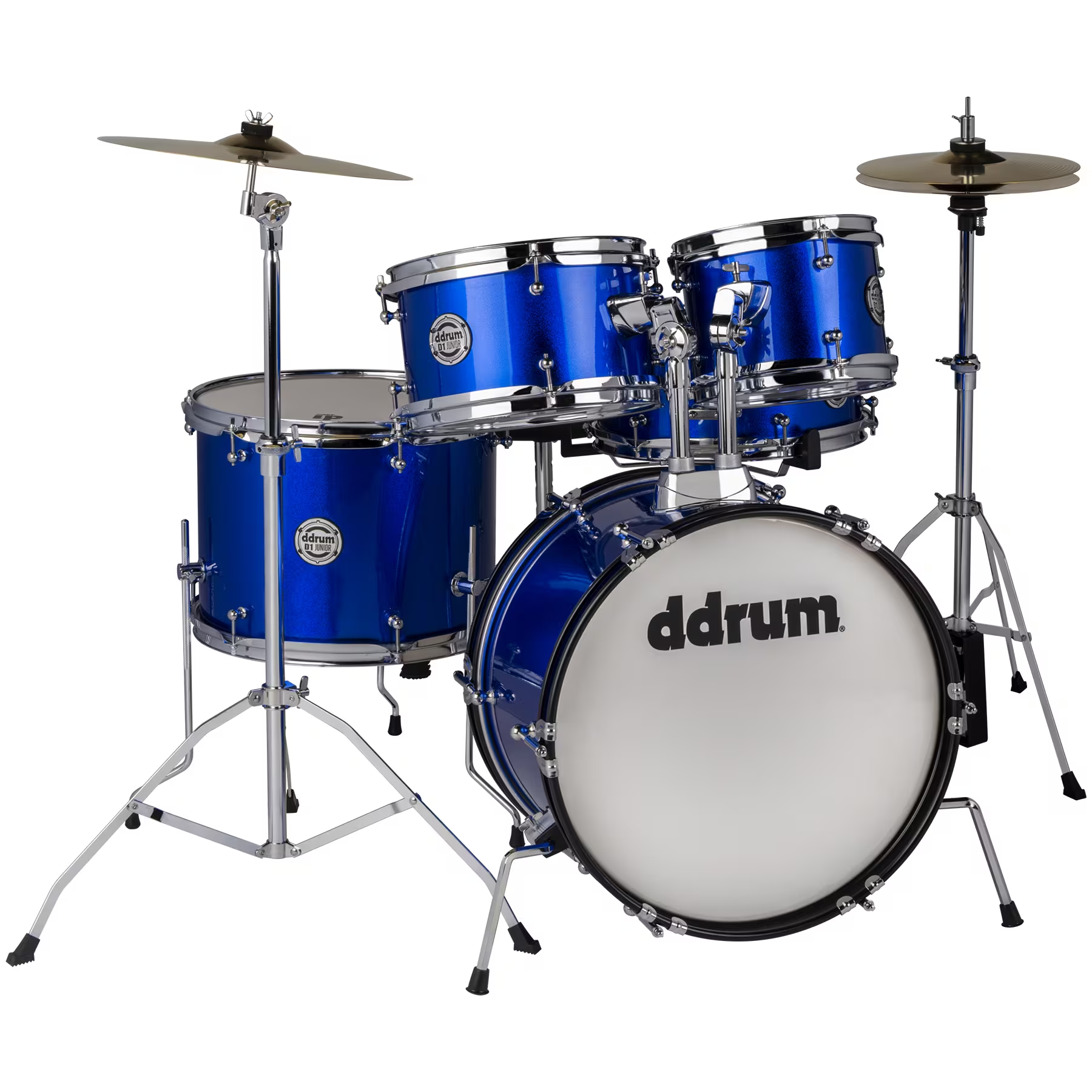
When you picture a drum set, you probably think of the bass drum, snare, and toms. But if you’ve ever listened closely to live drumming, you’ll notice the shimmering accents, sharp crashes, and crisp rhythms that bring the kit to life. Most of those sounds come from cymbals—and more specifically, from a pair of cymbals on a drum set. Whether it’s the hi-hats controlling the groove or stacked cymbals creating unique textures, cymbal pairs are essential for shaping a drummer’s sound.
This guide explores everything you need to know about cymbal pairs, from the basics and types to choosing, playing, and maintaining them.
What Is a Pair of Cymbals on a Drum Set?
A pair of cymbals refers to two cymbals that are used together in some way. The most common example is the hi-hat cymbals, mounted on a stand and controlled with a foot pedal. The top and bottom cymbals strike against each other, producing a sharp “chick” sound when closed and a shimmering wash when open.
Historically, cymbals have roots going back thousands of years, with early versions used in Turkish, Chinese, and Indian music. In the 1930s, during the jazz age, the hi-hat became a key part of modern drum sets, changing rhythm sections forever.
While hi-hats are the most well-known, drummers often pair other cymbals—like crashes, rides, and splashes—to create fresh sonic possibilities.
Types of Cymbal Pairs Used in Drum Kits
Hi-Hat Cymbals – The Core Pair
The hi-hat is the heartbeat of nearly every drum kit. It consists of two cymbals:
- Top cymbal: lighter, designed for articulation.
- Bottom cymbal: heavier, often vented for air release.
By pressing the foot pedal, drummers control how tightly the cymbals close, giving them a wide palette of sounds:
- Closed hi-hat: sharp, tight, and precise.
- Open hi-hat: loose and washy, perfect for rock and dance beats.
- Half-open hi-hat: rough and layered, frequently utilized in funk and hip-hop music.
Crash Cymbal Pairs
Though crashes are usually used individually, many drummers set up two crash cymbals as a pair to create a stereo effect. When struck together, they produce a powerful sound wave that fills arenas and live venues.
Pairing crashes also gives drummers the ability to alternate between sizes—like a 16″ thin crash and an 18″ medium crash—for varied tonal colors.
Ride Cymbal and Secondary Pairings
The ride cymbal is normally played solo, but in larger kits, drummers sometimes pair a ride with a second ride or crash to create layered rhythms. Jazz drummers often experiment with cymbal pairings for subtle textures, while rock and metal drummers may use heavier rides paired with crashes for explosive accents.
Specialty Cymbal Pairs
Innovative drummers often create stacks—placing two cymbals directly on top of each other. Examples include:
- China + Splash stack for a trashy, fast-decay sound.
- Two splashes combined for a quick, sharp hit.
- Hi-hat with effect cymbal for unique, experimental grooves.
Cymbal stacks are especially popular in modern metal, electronic, and progressive drumming.
Why Cymbal Pairs Matter in a Drum Set
Without cymbals, a drum set would feel incomplete. A pair of cymbals enhances the following:
- Rhythmic Balance –Hi-hats keep the beat consistent, ensuring the groove remains stable.
- Dynamic Control – Cymbal pairs allow smooth transitions between soft background textures and explosive accents.
- Stylistic Expression – Jazz hi-hats sound light and airy, while metal hi-hats are loud and aggressive.
- Performance Presence – Cymbal crashes paired together create energy that fills the room.
As Dave Weckl, a world-class drummer, once said: “Your cymbals define the voice of your kit more than anything else.”
Selecting the Perfect Cymbals for Your Drum Kit
Selecting the right pair depends on your genre, style, and budget. Let’s break it down.
Size and Thickness
- Smaller cymbals (12–14 inches): Fast, bright sound, great for jazz or funk.
- Medium cymbals (14–15 inches): Balanced tone, versatile for rock or pop.
- Larger cymbals (16–18 inches): Louder, darker sound, preferred in metal and punk.
Thickness also matters:
- Thin cymbals: Quick response, low volume.
- Medium weight: Balanced sustain, all-purpose.
- Heavy cymbals: Loud projection, suited for high-energy music.
Material and Alloys
The majority of cymbals are created using alloys of brass or bronze.
| Material | Sound | Best For |
| Brass | Bright, inexpensive | Beginners |
| B8 Bronze (92% copper) | Crisp, cutting | Rock & pop |
| B20 Bronze (80% copper, 20% tin) | Rich, warm | Jazz & pro-level kits |
If you’re just starting, brass is budget-friendly. As you progress, bronze pairs offer superior tonal quality.
Brand Comparisons
Some of the most respected cymbal makers:
- Zildjian: Known for versatility; K series for jazz, A series for rock.
- Sabian: Bright tones; HHX line for modern drumming.
- Meinl: Popular with metal drummers; Byzance series is highly regarded.
- Paiste: Clean, glassy tones; 2002 series iconic in rock.
Each brand designs its cymbal pairs differently, so listening before buying is crucial.
Genre-Specific Choices
- Rock drummers Rock drummers typically choose 14″ medium hi-hats and several crash cymbals to achieve a powerful and lively sound.
- In contrast, jazz drummers tend to opt for lighter and thinner pairs, such as 13″ hi-hats, which allow for more delicate expression.
- Metal drummers usually go for heavy pairs (15″ hi-hats, stacked crashes) for durability and volume.
How to Play a Pair of Cymbals on a Drum Set
Playing cymbal pairs requires control and creativity.
- Hi-hat techniques: Practice closing with the foot pedal, opening slightly for a sloshy sound, or splashing by striking while pressing the pedal.
- Crash pair use: Hit two crashes together for dramatic accents during choruses.
- Stacked cymbals: Experiment with rim shots or stick tips to discover unique tones.
For example, drummers in funk bands often play syncopated hi-hat patterns with alternating open and closed sounds, creating groove variations that define the song.
Care and Maintenance of Cymbal Pairs
Cymbals are delicate despite their metallic build. To keep them sounding fresh:
- Clean regularly with a mild cymbal cleaner—avoid household chemicals.
- Store properly in padded bags or cases.
- Transport safely to gigs—never stack raw cymbals without protection.
- Prevent cracks by using proper striking technique (glancing blows, not direct chops).
Pro tip: Rotate your hi-hat top cymbal every few weeks to even out wear.
Common Questions About Cymbal Pairs
Is having more than one pair of cymbals necessary for you?
Most beginners start with just hi-hats, but as you grow, adding crash or effect pairs expands your sound dramatically.
Can you mix cymbals from different brands?
Yes, but tonal balance can be tricky. Some drummers love mixing, while others stick to one brand for consistency.
What’s the best cymbal pair for beginners?
A standard 14″ brass hi-hat pair is affordable and versatile. As your hearing improves, you can move on to professional bronze sets.
Final Thoughts
A pair of cymbals on a drum set isn’t just an accessory—it’s a voice, a rhythm keeper, and an energy booster. From the humble hi-hat to creative cymbal stacks, cymbal pairs give drummers the tools to shape music across genres.
If you’re building your kit, invest time in choosing cymbal pairs wisely. Listen to recordings, test different sizes, and consider how they’ll fit your style. Over time, you’ll discover that your cymbal pairs don’t just accompany your drumming—they define it.





Leave a Reply