

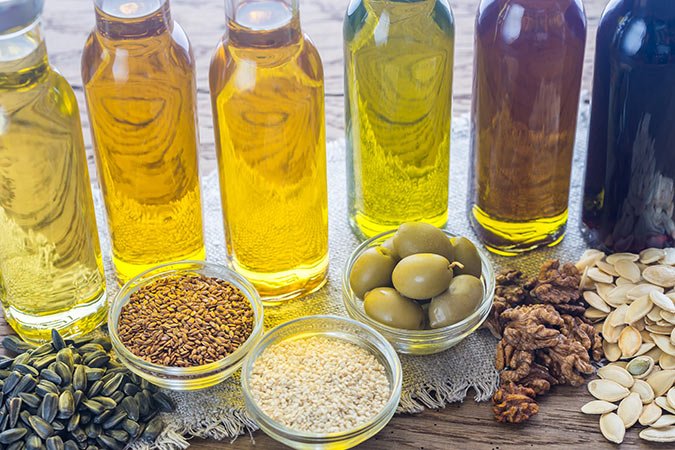
Olive oil frequently ranks as one of the best options for healthy cooking oils. Still, confusion lingers around one question: Is olive oil a seed oil? At first glance, it might seem like olive oil belongs in the same category as sunflower oil, canola oil, or soybean oil. After all, they’re all plant-based oils, right? The truth is, olive oil is fundamentally different. It’s not a seed oil—it’s a fruit oil, pressed directly from the flesh of olives. That difference in origin changes not only its flavor and texture but also its health benefits, composition, and even its cultural role.
In this guide, we’ll explore what seed oils really are, how olive oil compares, why olive oil is considered healthier, and how to make the best choices when buying and using it.
What Exactly Is a Seed Oil?
To answer the main question, we first need to understand what qualifies as a seed oil. Oils that come from the seeds of different plants are known as seed oils. These oils are usually obtained through industrial methods that involve applying high temperatures and using chemical solvents.
Common Seed Oils
Here are some of the most widely used seed oils in kitchens and food manufacturing:
- Sunflower oil
- Soybean oil
- Canola (rapeseed) oil
- Cottonseed oil
- Corn oil
- Grapeseed oil
- Safflower oil
Characteristics of Seed Oils
- Originating from seeds instead of the fruit’s pulp.
- Extraction: Often refined with chemicals like hexane.
- Nutritional Profile: Typically high in polyunsaturated fatty acids (PUFAs), especially omega-6 fatty acids.
- Stability:: When exposed to heat, these fats are not as stable as monounsaturated fats.
- Usage: Widely used in processed foods, deep frying, and packaged snacks due to low cost.
| Type of Oil | Source | Extraction Method | Fatty Acid Profile | Common Use |
| Sunflower Oil | Sunflower seeds | Industrial refining | High in omega-6 PUFAs | Frying, packaged snacks |
| Soybean Oil | Soybeans | Industrial refining | High in omega-6, some omega-3 | Processed foods, margarine |
| Canola Oil | Rapeseed plant | Refining + deodorizing | Balance of omega-6 and omega-3 | Baking, frying, dressings |
| Grapeseed Oil | Grape seeds | Solvent extraction | Rich in omega-6 PUFAs | Salad dressings, cooking |
| Cottonseed Oil | Cotton seeds | Chemical refining | Mostly omega-6 fatty acids | Processed snacks, frying |
Seed oils are not inherently “bad,” but their heavy processing and high omega-6 content can cause health concerns when consumed excessively.
Is Olive Oil a Seed Oil? The Clear Answer
No, olive oil is not a seed oil. This oil is categorized as a fruit oil and is made by pressing the soft part of the olive fruit. This distinction matters because fruit oils like olive oil generally require less processing and retain more beneficial nutrients.
How Olive Oil Is Made
Olive oil is produced by crushing whole olives and extracting their juice. Extra virgin olive oil, the highest grade, comes from the first cold press without the use of heat or chemicals. This gentle process preserves the antioxidants, vitamins, and natural flavor compounds that make olive oil unique.
On the other hand, to make seed oils tasty, they usually need processes like solvent extraction, deodorization, and refining.
Olive Oil vs. Seed Oils at a Glance
| Feature | Olive Oil (Fruit Oil) | Seed Oils |
| Source | Olive fruit flesh | Plant seeds |
| Extraction | Cold-pressed (mechanical) | High heat & chemical solvents |
| Fat Composition | High in monounsaturated fats (oleic acid) | High in polyunsaturated fats (omega-6) |
| Nutrients | Polyphenols, vitamin E, antioxidants | Minimal antioxidants (after refining) |
| Stability | Stable for cooking | Less stable under high heat |
| Flavor | Rich, fruity, peppery | Neutral, bland |
Health Benefits of Olive Oil vs. Seed Oils
Olive Oil’s Nutritional Edge
Olive oil’s composition is what sets it apart:
- Monounsaturated fats (MUFA): Around 70–80% oleic acid, which supports heart health.
- Antioxidants: Powerful compounds like hydroxytyrosol and oleuropein.
- Vitamins: Natural vitamin E and K.
- Anti-inflammatory properties: Linked to reduced risk of cardiovascular disease.
Case studies and large-scale research, like the PREDIMED study, show that diets rich in extra virgin olive oil can lower rates of heart attack, stroke, and even certain cancers. Regarded as Ranked among the healthiest ways to eat in the world, the Mediterranean diet highlights olive oil as its primary fat source.
The Controversy Around Seed Oils
Seed oils supply omega-6 fatty acids, which are important but only needed in limited quantities. The issue arises when they dominate the diet, creating an imbalance with omega-3 intake. Excessive omega-6 can promote inflammation, which is associated with chronic conditions such as obesity, diabetes, and heart disease.
Furthermore, industrial refining may generate byproducts such as trans fats and oxidized lipids, both of which are harmful to long-term health.
Common Misconceptions About Olive Oil
- Myth: Olive oil is a seed oil
- Incorrect. It is an oil extracted from the pulp of olives.
- Myth: Cooking with olive oil is unsafe
- Olive oil has a smoke point of 375–410°F, making it perfectly safe for most cooking methods, including sautéing and roasting. Its high monounsaturated fat content gives it greater oxidative stability than seed oils.
- Myth: The cost of extra virgin olive oil is not justified.
- High-quality extra virgin olive oil contains significantly more antioxidants and flavor compounds than refined olive oils. You’re not just paying for taste—you’re paying for nutrients and purity.
Choosing the Right Olive Oil
Types of Olive Oil
- Extra Virgin Olive Oil (EVOO): Highest quality, cold-pressed, full of antioxidants.
- Virgin Olive Oil: Similar to EVOO but slightly lower acidity and phenolic compounds.
- Refined Olive Oil: Chemically treated, lighter in flavor, fewer nutrients.
- Olive Pomace Oil: Extracted from pulp residues, lowest grade.
Tips for Buying High-Quality Olive Oil
- Look for dark glass bottles to protect from light.
- Check the harvest date—fresher is better.
- Choose oils labeled with geographic origin (e.g., Italy, Greece, Spain).
- Opt for brands with certifications like PDO (Protected Designation of Origin).
Storage Tips
- Store in a cool, dark place.
- Keep bottles tightly sealed.
- Avoid heat exposure (don’t place near stoves).
Olive Oil in Daily Use
Olive oil isn’t just a cooking fat; it’s a versatile ingredient with multiple uses:
- Cooking: Excellent for sautéing, roasting vegetables, or pan-frying fish.
- Raw Uses: Pour some over salads, pasta, or fresh bread.
- Dips & Dressings: Combine with balsamic vinegar or herbs for a quick dressing.
- Beyond the Kitchen: Used in skincare routines for moisturizing and as a natural remedy for dry skin.
Final Verdict: Is Olive Oil a Seed Oil?
The verdict is crystal clear: Olive oil is not a seed oil. It’s a fruit oil, rich in monounsaturated fats, antioxidants, and unique phytonutrients. Unlike heavily refined seed oils, extra virgin olive oil maintains its natural benefits through minimal processing.
Switching from processed seed oils to olive oil can improve overall health, reduce inflammation, and add vibrant flavor to your meals.
FAQs About Olive Oil and Seed Oils
Is olive oil healthier than seed oils?
Yes. Thanks to its monounsaturated fats and antioxidants, olive oil supports heart health more effectively than most refined seed oils.
Can olive oil replace seed oils in cooking?
Absolutely. Olive oil can substitute for seed oils in almost all culinary uses, from frying to baking.
Does olive oil contain omega-6 fatty acids?
Yes, but in lower amounts compared to seed oils. Its omega-9 content (oleic acid) is far higher.
What makes olive oil cost more than seed oils?
Because it requires careful harvesting and mechanical extraction, rather than cheap industrial refining. Quality and labor costs make it pricier, but the benefits are worth it.
Key Takeaways
- Olive oil comes from fruit, not from seeds.
- It’s healthier, more stable, and richer in antioxidants compared to industrially refined seed oils.
- Selecting extra virgin olive oil guarantees the best taste along with numerous health advantages.
- Replacing seed oils with olive oil in daily cooking can improve long-term wellness.
In the end, the answer is simple: Olive oil is in a league of its own—nutritious, flavorful, and time-tested. If you’re aiming for better health and tastier meals, make olive oil your go-to choice.










Leave a Reply