

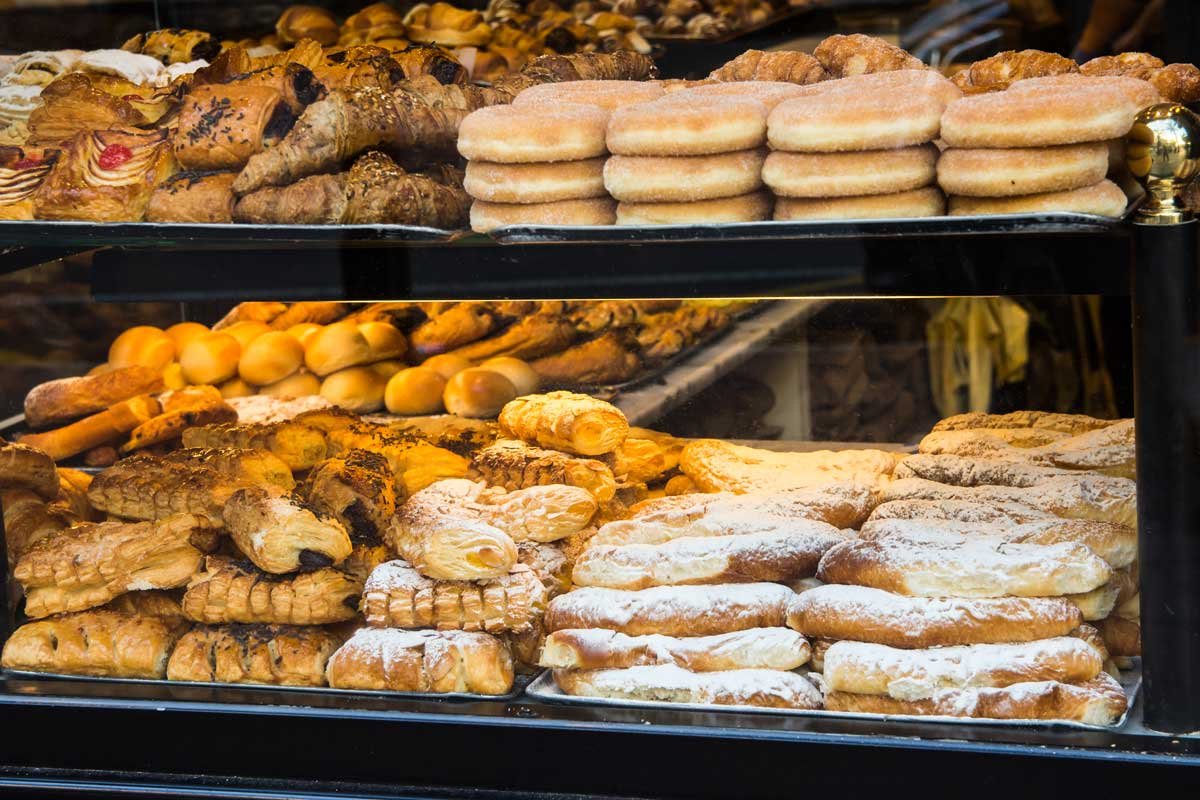
If you’ve ever spread a creamy, golden layer of butter on warm bread and wondered what makes it special, wait until you try Spain butter. Known for its rich flavor, silky texture, and artisanal quality, this butter tells the story of Spain’s deep-rooted dairy traditions. From the lush green pastures of Asturias to the rolling hills of Galicia, butter in Spain represents more than food—it’s part of the country’s culinary identity.
This guide explores everything about it: its origins, how it’s made, regional variations, flavor profiles, and how you can use it in your kitchen.
The Origins of Spain Butter – A Look Back in Time
Butter in Spain has a history that stretches back hundreds of years. While olive oil dominates the southern regions, the northern parts—particularly Asturias, Cantabria, and Galicia—built a dairy culture around their cool, green landscapes.
In traditional Spanish villages, families churned butter by hand using wooden or clay churns. Fresh cream from morning milkings would be allowed to rest, skimmed carefully, and then churned until the fat separated. The resulting butter was rich, dense, and deeply flavorful, often wrapped in leaves or stored in ceramic pots.
During the 19th century, industrialization changed everything. Local creameries emerged, turning homemade traditions into regional industries. Yet many small producers kept their traditional methods alive. Today, these family-run dairies remain the soul of Spanish butter production.
Fun fact: Unlike other European countries that leaned heavily on salted butter, Spain’s rural communities favored unsalted versions, letting the natural cream flavor shine through.
How Spain Butter Is Made – From Farm to Table
Making Spanish butter involves a mix of old-world craftsmanship and modern precision. Here’s a simplified breakdown of the process:
- Fresh Milk Collection – Cows graze on lush, mineral-rich grass, producing high-quality milk.
- Cream Separation – The cream is skimmed or separated through centrifugation.
- Fermentation – Some producers ferment the cream slightly to create a subtle tangy flavor.
- Churning – The cream is churned until fat globules clump together, forming butter.
- Washing & Kneading – The butter is washed with cold water to remove excess buttermilk.
- Salting (Optional) – Depending on the region, salt may be added for preservation or flavor.
Traditional Spanish Butter-Making Techniques
In places like Cantabria and Asturias, some artisans still churn butter manually using traditional wooden churns. This slow process preserves the natural texture and depth of flavor. These butters are often labeled artesanal (artisanal), meaning they’re handmade and free of additives.
Modern Spanish Dairy Innovation
While small dairies keep tradition alive, modern producers use advanced machinery and temperature controls to ensure consistent quality. Many Spanish brands now focus on sustainability—feeding cows naturally, reducing waste, and maintaining eco-friendly farms.
Types of Spanish Butter and Regional Varieties
Different parts of Spain produce butter with unique characteristics shaped by climate, terrain, and local practices.
Asturias Butter – The Heart of Spanish Dairy Country
Asturias is often called “Green Spain” because of its fertile pastures. Butter from this region is thick, yellow, and slightly nutty. The cows here graze on natural grass all year, giving their milk high fat content—perfect for churning creamy butter.
Cantabria and Galicia – The Green North’s Dairy Powerhouses
Cantabria’s butter has a mild sweetness and fine texture, often used for pastries like sobaos pasiegos. In Galicia, cows graze freely near the Atlantic, which influences the milk’s mineral balance and gives the butter a hint of saltiness.
Lesser-Known Regional Butters
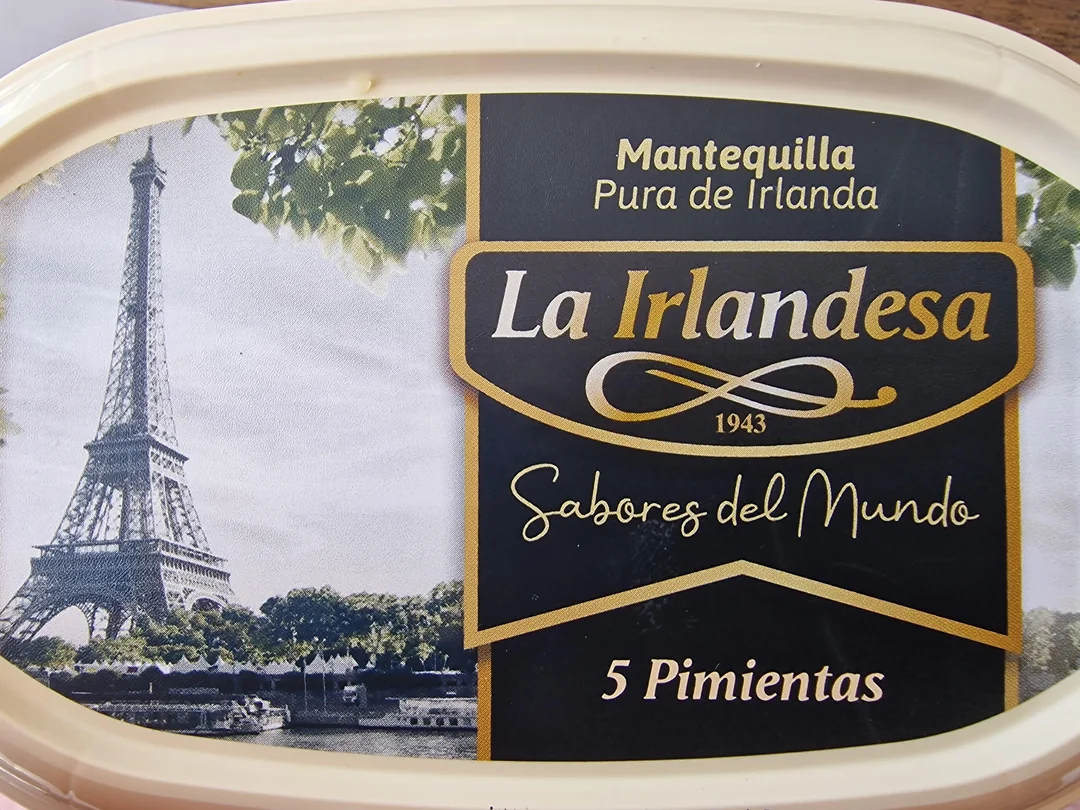
In Soria, butter holds a Denomination of Origin label (Mantequilla de Soria D.O.P.), protecting its authenticity. Catalonia and Andalusia also produce butter, though in smaller quantities, often infused with herbs or local sea salt.
Flavor Profile – What Makes Spain Butter So Unique
Spanish butter stands out because of its rich texture and complex flavor. The grass-fed diet of cows adds depth, giving it a nutty and slightly tangy taste. Its golden hue comes naturally from carotene-rich grass, and the aroma is often described as fresh and creamy.
Here’s a quick comparison of Spain butter with other European butters:
| Country | Texture | Flavor Notes | Fat Content | Distinct Feature |
| Spain | Creamy, smooth | Nutty, lightly tangy | 82% | Grass-fed cows, artisanal churning |
| France | Silky | Sweet, mild | 82% | Cultured fermentation |
| Ireland | Dense | Buttery, grassy | 83% | High-quality pastures |
| Denmark | Firm | Salty, rich | 80% | Salted tradition |
Quote from a Spanish dairy producer:
“Our butter isn’t just a spread—it’s the flavor of our land, the result of healthy cows and patient craftsmanship.”
Culinary Uses of Spain Butter
While olive oil often steals the spotlight in Spanish cuisine, butter plays a quiet but important role, especially in the north. Its versatility makes it ideal for both sweet and savory dishes.
Everyday Uses
- Spread on rustic bread with local honey.
- Used in sauces for fish and seafood.
- Added to mashed potatoes or creamy soups.
- Blended into homemade pastries or empanadas.
Butter in Spanish Desserts
Spain’s dessert culture relies heavily on butter. Classics like mantecados, sobaos pasiegos, and magdalenas showcase its richness. In Galicia, butter is a key ingredient in the famous tarta de Santiago (almond cake).
Butter vs Olive Oil – The Great Spanish Debate
Northern Spain uses butter for its mild, creamy flavor, while the south favors olive oil for its fruity sharpness. Both fats have cultural significance—one represents the sea and mountain climate, the other the Mediterranean sun.
Nutrition and Health Benefits of Spanish Butter
Butter, when consumed in moderation, can be part of a balanced diet. Spanish butter, especially from grass-fed cows, is a source of fat-soluble vitamins and beneficial fatty acids.
Nutritional Breakdown (per 100g):
| Nutrient | Amount | Benefit |
| Calories | 720 kcal | Energy source |
| Fat | 82g | Rich in healthy fats |
| Vitamin A | 800 µg | Supports vision & skin |
| Vitamin D | 1.5 µg | Aids calcium absorption |
| Vitamin K2 | 25 µg | Supports bone health |
Grass-fed Spanish butter also contains butyrate, a fatty acid linked to improved gut health. It’s free of trans fats and naturally low in lactose.
Health Tip: Choose unsalted varieties to better control sodium intake and enjoy a more natural taste.
Where to Buy Authentic Spain Butter
Finding genuine Spanish butter is easier today thanks to online marketplaces and specialty stores.
Top Spanish Butter Brands to Try
- Mantequilla Arias – Known for smooth texture and creamy taste.
- Central Lechera Asturiana – Widely available; sustainably produced.
- Mantequilla de Soria (D.O.P.) – Premium artisanal butter with protected origin status.
Buying Tips:
- Look for the “D.O.P.” label (Denominación de Origen Protegida).
- Check the packaging for the region of origin.
- Avoid butters with artificial colors or stabilizers.
You can buy authentic Spanish butter from online stores like La Tienda, Amazon Spain, or directly from local dairy websites.
How to Store and Use Spain Butter Properly
Proper storage ensures that butter retains its taste and texture.
Storage Guidelines:
- Keep refrigerated at 4°C (39°F).
- Store in airtight containers to prevent odor absorption.
- For long-term storage, freeze for up to six months.
- To soften quickly, leave it at room temperature for 10–15 minutes.
Serving Tips:
- Pair it with crusty sourdough or rustic rye bread.
- Use it with mild cheeses and white wines for a balanced flavor.
- Melt it over grilled seafood or vegetables for extra richness.
The Future of Spanish Butter
Spanish butter is gaining recognition beyond Europe as global consumers seek high-quality dairy products. With the world’s growing focus on sustainability, traceability, and artisanal food, Spain’s butter producers are perfectly positioned.
Many are experimenting with organic certification, reduced packaging waste, and carbon-neutral farming. Tourism also plays a role—visitors who try butter in northern Spain often bring home not just memories but a taste for the product itself.
Case Study:
In 2023, a small creamery in Asturias launched a farm-to-table butter line using milk from only 25 cows. Within a year, their exports reached markets in France and Japan. Their success shows how craftsmanship and authenticity can stand out even in global markets.
Final Thoughts – Why Spain Butter Deserves a Place in Your Kitchen
Spain butter isn’t just an ingredient; it’s an experience. Each spoonful captures the essence of Spain’s northern hills, its cool pastures, and its dedication to tradition. It’s smooth, flavorful, and crafted with care—perfect for anyone who values authenticity in food.
So next time you’re choosing butter, skip the usual brands and try one from Spain. Whether you’re spreading it on toast, baking pastries, or cooking seafood, you’ll taste the difference—rich, natural, and unmistakably Spanish.
In short: Spain butter brings warmth, culture, and flavor to every dish it touches.






Leave a Reply