

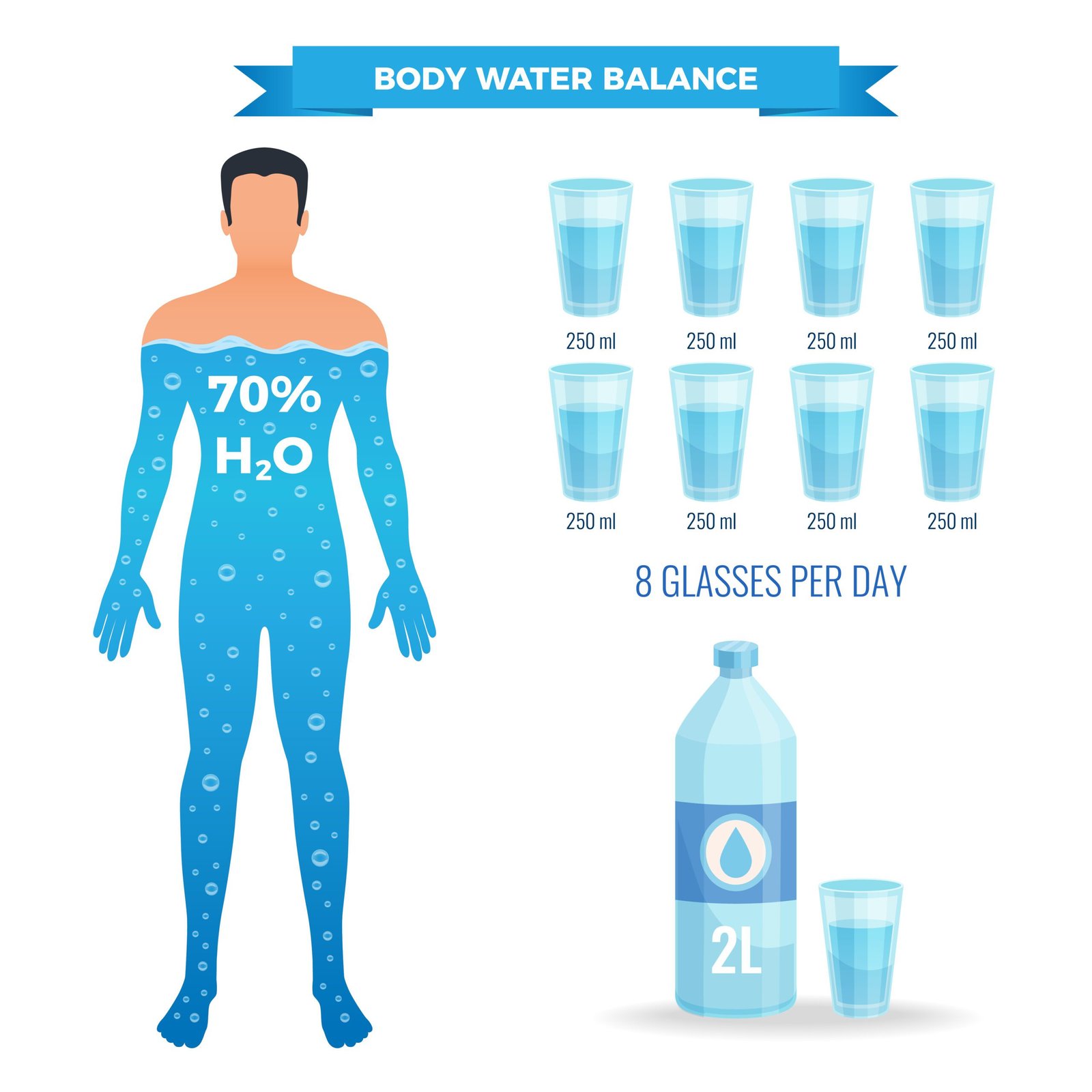
Staying hydrated might sound simple, but when you stop and think about it, the question “a bottle of water is how many oz?” becomes surprisingly important. You grab a bottle from the fridge or buy one at a store, yet do you really know how many ounces you’re drinking? Understanding bottle sizes helps you track your daily hydration, compare serving sizes, and make healthier choices. Whether you’re a fitness enthusiast, a busy professional, or just curious about standard bottle measurements, this guide will break it down for you in detail.
Why Does Bottle Size Matter?
Bottle size isn’t just a trivial detail. It directly affects how much water you consume and how easy it is to meet your daily hydration goals. Nutritionists often recommend following the 8×8 rule—drinking eight 8-ounce glasses of water each day, which equals about 64 ounces. If you only rely on bottled water, knowing exactly how many ounces per bottle is crucial for tracking your intake.
On top of health reasons, bottle size matters for convenience. Smaller bottles fit easily into a lunchbox or purse, while larger bottles are better for workouts and long trips. There’s also an environmental side—carrying a larger reusable bottle can reduce the number of plastic bottles you go through in a week.
Standard Water Bottle Sizes in Ounces
Water bottles come in many shapes and sizes. Here’s a breakdown of the most common sizes you’ll see on shelves or in gyms.
The Most Common Size – 16.9 oz (500 ml)
When people think of bottled water, they usually imagine the 16.9-ounce (500 ml) version. This is the size you’ll find in multipacks at grocery stores. It’s considered the standard single-use water bottle and is convenient for quick hydration at work, school, or while running errands.
Interestingly, 16.9 ounces is just a bit more than two standard U.S. measuring cups. If your daily target is 64 ounces, you’ll need about four bottles of this size to reach it.
Smaller Bottles – 8 oz, 12 oz, 13.5 oz
Small bottles are often marketed for children, events, or short trips. An 8-ounce bottle equals one glass of water, making it perfect for portion control. 12-ounce bottles are similar in size to a soda can and are commonly used for promotional events or airline service. The 13.5-ounce option (about 400 ml) is less common but strikes a balance between portability and volume.
These smaller bottles are handy, but they can create more plastic waste since people often drink several in one sitting.
Larger Bottles – 20 oz, 24 oz, 33.8 oz (1 liter)
Larger bottles appeal to athletes and people who need sustained hydration without frequent refills. A 20-ounce bottle is common at gyms or convenience stores. 24-ounce bottles often appear in reusable metal or plastic designs. The 1-liter size (33.8 oz) is excellent for long trips, hikes, or anyone who wants to drink a third of a gallon in one go.
Extra Large Bottles – 50 oz, 64 oz, and Gallon Jugs
For serious hydration, extra-large bottles are the go-to. A 50-ounce bottle nearly equals three standard bottles in one. 64 ounces (half a gallon) is ideal for people aiming to track half of their daily hydration in one container. Gallon jugs, at 128 ounces, are especially popular among athletes and fitness influencers who promote “gallon-a-day challenges.”
Conversion Guide – Milliliters to Ounces
Because many bottles are labeled in milliliters (ml) instead of ounces, conversion is essential. The formula is straightforward:
1 ounce = 29.57 milliliters
Here’s a quick conversion table:
| Bottle Size (ml) | Ounces (oz) | Common Use Case |
| 250 ml | 8.4 oz | Kids’ bottles, small portions |
| 355 ml | 12 oz | Similar to soda cans |
| 500 ml | 16.9 oz | Standard bottle size |
| 600 ml | 20 oz | Gym bottles |
| 750 ml | 25 oz | Reusable bottles, cycling |
| 1,000 ml | 33.8 oz | One-liter bottle |
| 2,000 ml | 67.6 oz | Large reusable jugs |
| 3,785 ml | 128 oz | 1 U.S. gallon |
This table is handy when traveling abroad since many countries use milliliters instead of ounces.
How Many Bottles Equal a Gallon of Water?
A gallon equals 128 ounces, so dividing that by different bottle sizes gives you a clear picture.
- 16.9 oz bottle: 7.57 bottles (roughly 8 bottles)
- 12 oz bottle: 10.67 bottles (about 11 bottles)
- 20 oz bottle: 6.4 bottles
- 33.8 oz bottle (1 liter): 3.78 bottles (about 4 bottles)
Example: If your goal is to drink one gallon per day and you only have standard 16.9-ounce bottles, you’ll need to drink nearly 8 bottles to hit the mark.
Practical Examples
Daily Hydration Goals
Most adults need between 2–3 liters (67–101 ounces) daily depending on activity levels, climate, and health. If you rely on bottled water, this translates into:
- 4 standard 16.9 oz bottles for 67 oz
- 6 bottles for about 101 oz
Fitness and Sports
Athletes often require more hydration because they lose fluids through sweat. For instance, a marathon runner might consume 20–30 ounces of water per hour during training. That equals one medium-sized bottle every hour. A gym-goer lifting weights may aim for a 32-ounce refillable bottle, finishing two or three during a workout session.
Traveling or Work Settings
Carrying a single 33.8-ounce (1-liter) bottle saves you multiple trips to refill. Office workers often prefer this size because it comfortably covers morning hydration before lunch. For long flights, smaller bottles (8–12 oz) are usually served by airlines, though bringing a refillable 24 oz bottle is more sustainable.
Common Questions About Bottle Ounces
Is every bottle exactly 16.9 oz?
No. While 16.9 ounces is the most common, brands produce a wide range of sizes depending on customer demand and packaging.
Why do we see bottles marked in milliliters instead of ounces?
Most countries use the metric system, so milliliters are the global standard. The U.S. uses ounces, which is why many bottles carry both measurements.
What’s the difference between U.S. ounces and U.K. fluid ounces?
The U.S. One fluid ounce is equal to 29.57 milliliters, whereas in the U.K. fluid ounce equals 28.41 ml. It’s a small difference but can add up when converting larger amounts.
Key Takeaways
- Standard water bottle size = 16.9 oz (500 ml)
- Sizes range widely: from 8 oz kid-friendly bottles to 128 oz gallon jugs
- 1 gallon = 128 ounces which equals about 8 standard bottles
- Conversion is simple: 1 oz = 29.57 ml
- Bottle choice depends on lifestyle: small for convenience, large for fitness and sustainability
Final Thoughts
Hydration is one of the simplest yet most vital habits for maintaining health, energy, and focus. Understanding bottle sizes makes it easier to set goals, track progress, and avoid under- or over-drinking. Whether you prefer the standard 16.9-ounce bottle, a sleek reusable liter-sized option, or a massive gallon jug, the key is consistency.
Next time you ask yourself “a bottle of water is how many oz?”, remember it’s more than a number. It’s a small detail that keeps your hydration on track and helps you make smarter daily choices. Select a bottle size that suits your way of life, keep drinking, and your body will appreciate it.






Leave a Reply