

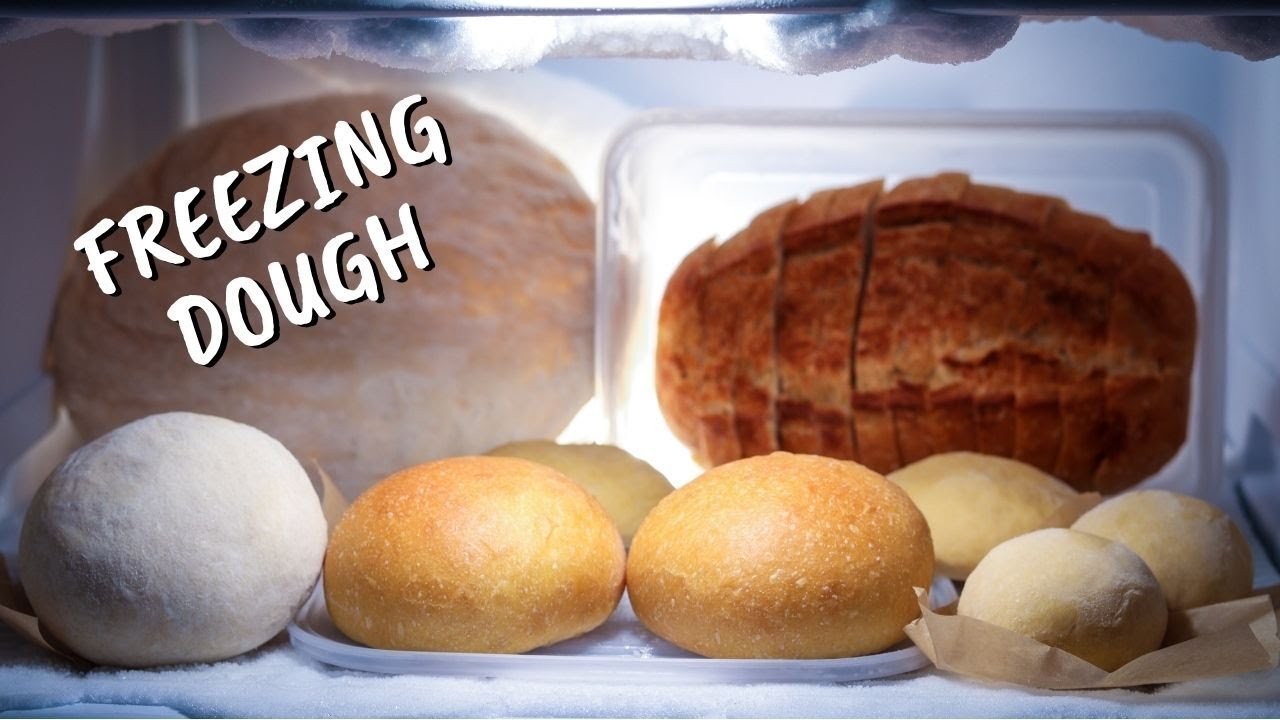
Bread is a staple in many homes, yet it has one major flaw—it goes stale quickly. You buy a fresh loaf, and within a couple of days it’s either dry, tough, or starting to mold. That’s where freezing comes in. Freezing bread can extend its shelf life, save you money, and prevent unnecessary waste. If you’ve ever wondered can you freeze bread, the short answer is yes. But the real value lies in knowing how to freeze it correctly, how long it lasts, and the best way to revive it once thawed.
This guide explores the ins and outs of bread storage, from freezing sandwich slices to preserving artisan loaves. Along the way, you’ll find practical tips, common mistakes to avoid, and answers to frequently asked questions.
Can You Freeze Bread?
Yes, you can freeze bread, and it’s one of the most effective ways to keep it fresh. Freezing halts the staling process by stopping the starch molecules in bread from recrystallizing. Once frozen, the bread remains in a sort of suspended animation until you thaw it.
People often freeze bread in these situations:
- Buying extra loaves on sale.
- Preserving fresh bakery bread that won’t be eaten right away.
- Saving homemade bread for later use.
- Reducing waste from half-eaten loaves.
Freezing bread is not only convenient but also practical for busy households. Instead of tossing out a stale loaf, you can store it and enjoy it later with almost no quality loss.
How to Freeze Bread the Right Way
The method you use to freeze bread makes a big difference in how fresh it tastes when thawed. Done incorrectly, you risk freezer burn, dryness, or bread that tastes like everything else in your freezer.
Freezing a Whole Loaf
If you plan to use the entire loaf later, freezing it whole is best.
- Let freshly baked bread cool completely before freezing.
- Encase it securely in plastic film or metal foil.
- Put the wrapped bread into a strong freezer bag.
- Remove as much air as you can prior to sealing.
This triple-layer approach prevents freezer burn and odor absorption.
Freezing Sliced Bread
Freezing sliced bread is the most convenient option if you want to use a few slices at a time.
- Separate slices with parchment or wax paper before stacking them.
- Place them in a freezer-safe bag.
- Squeeze out the air before sealing.
With this method, you can pull out slices directly for toast or sandwiches without thawing the entire loaf.
Freezing Homemade Bread vs. Store-Bought
Store-bought bread often has preservatives that help it last longer even when frozen. Homemade bread, on the other hand, lacks those additives, so it tends to dry out more quickly. If you’re freezing homemade loaves, wrap them more carefully and use them within a shorter timeframe for best results.
How Long Can You Freeze Bread?
Freezing doesn’t make bread last forever. While it keeps the loaf edible for months, quality starts to decline over time.
| Bread Type | Best Quality Up To | Notes |
| White Sandwich | 3 months | Retains softness better than whole grain |
| Whole Wheat | 2–3 months | Slightly denser, dries faster |
| Sourdough | 2–3 months | Holds structure and texture well |
| Homemade/Artisan | 1–2 months | No preservatives, shorter shelf life |
Tip: Always label your bread with the date before freezing. This helps you keep track and avoid thawing an old, freezer-burned loaf.
How to Thaw Frozen Bread
Thawing bread properly is just as important as freezing it. The wrong method can leave it soggy, rubbery, or dry.
Best Methods
- Room temperature thawing: Place the bread (still wrapped) on the counter for a few hours. Wrapping prevents moisture loss.
- Oven refresh: For crusty bread, thaw at room temperature, then warm it in a preheated oven at 350°F (175°C) for 5–10 minutes to restore crispness.
- Toaster thawing: Frozen slices go straight into the toaster. This is perfect for quick breakfasts.
Methods to Avoid
- Microwaving: While fast, it often makes bread rubbery and unevenly heated.
- Uncovered thawing: Leaving bread out without wrapping causes it to dry out quickly.
Tips to Keep Bread Fresh Before Freezing
Freezing isn’t the only factor in keeping bread fresh. The way you prepare it before storage also matters.
- Slice the bread before freezing. This makes portioning easier.
- Wrap it tightly to block freezer air. Double wrapping is best.
- Avoid placing bread near foods with strong odors like fish or onions.
- Freeze bread while it’s still fresh. Freezing stale bread only preserves its staleness.
A good rule of thumb: the fresher the bread when frozen, the fresher it will taste when thawed.
Common Mistakes People Make When Freezing Bread
Even though freezing bread is simple, many people make small mistakes that ruin the quality.
- Freezing bread too late. Once it’s already stale, freezing won’t fix it.
- Not wrapping properly. Thin wrapping allows freezer burn.
- Freezing for too long. Bread loses texture and flavor if left in the freezer for months.
- Refreezing thawed bread. Each freeze-thaw cycle damages the bread’s structure.
Avoid these pitfalls, and you’ll have bread that tastes almost as good as fresh.
Can You Freeze Other Bread Products?
Bread comes in many forms beyond standard loaves. Fortunately, most can be frozen successfully with the right preparation.
Can You Freeze Buns and Rolls?
Yes, they freeze exceptionally well. Wrap individually or group them in a bag with parchment layers in between. Thaw at room temperature and refresh in the oven for a soft interior and crisp exterior.
Can You Freeze Pita Bread and Tortillas?
Flatbreads freeze easily. Place parchment or wax paper between each piece to prevent sticking, then store in a sealed freezer bag. They thaw quickly and maintain flexibility.
Can You Freeze Banana Bread and Sweet Loaves?
Absolutely. These moist loaves freeze beautifully, especially if sliced before freezing. Wrap each slice or store whole, depending on your preference. Thawing at room temperature keeps them soft and flavorful.
FAQs About Freezing Bread
Can you freeze bread twice?
It’s not recommended. Every freeze-thaw cycle affects quality and increases the risk of dryness.
Can you freeze gluten-free bread?
Yes, but since gluten-free bread is often more delicate, wrap it tightly and consume it within 1–2 months for best results.
Is it possible to freeze uncooked bread dough instead of bread that has already been baked?
Yes. Shape the dough, let it rise once, then freeze. When ready, thaw, let it rise again, and bake fresh.
Does freezing kill mold spores?
Freezing pauses mold growth but doesn’t kill spores. If bread already has mold, freezing won’t make it safe.
Conclusion
So, can you freeze bread? Absolutely. Freezing bread is an easy way to extend its life, cut down on waste, and ensure you always have a loaf or slices on hand. The key is proper preparation—wrapping it tightly, freezing it fresh, and thawing it the right way. Whether you’re storing sandwich slices, artisan sourdough, or homemade banana bread, freezing helps keep your kitchen stocked without sacrificing taste.
By following these tips, you’ll never again have to choose between eating stale bread or throwing it away. Instead, you’ll have fresh-tasting bread ready whenever you need it.









Leave a Reply