

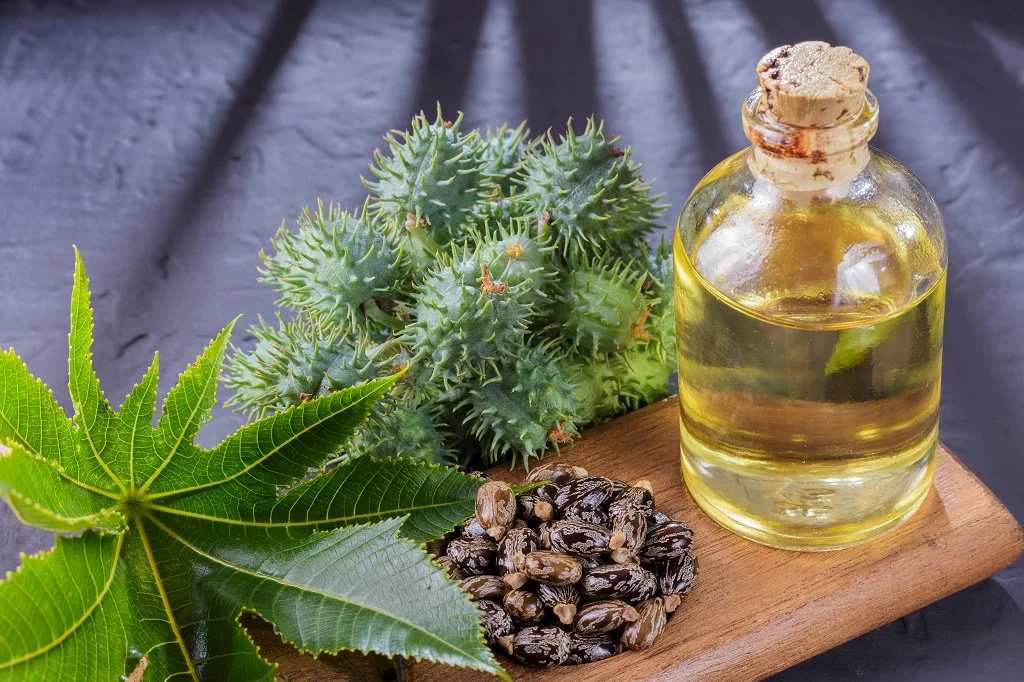
When it comes to natural oils for hair growth, skin health, and overall wellness, few options receive as much attention as castor oil and black castor oil. These two oils come from the same plant—the Ricinus communis—yet their preparation methods, chemical composition, and benefits differ in unique ways. Understanding these differences can help you make the best choice for your specific needs, whether that’s nourishing your scalp, soothing dry skin, or supporting digestive health.
This guide covers all the essential information you should understand regarding castor oil compared to. black castor oil—from their history and production to their key benefits, uses, and precautions.
What Is Castor Oil?
Castor oil is a pale yellow, viscous oil extracted from the seeds of the castor plant. Its use dates back thousands of years, with evidence of Egyptians using it as a natural remedy for eye irritation and as fuel for lamps.
Origins and History of Castor Oil
- Ancient Egyptians valued castor oil for medicinal purposes.
- It spread to India, China, and eventually Europe as a healing remedy.
- Today, it’s widely used in cosmetics, pharmaceuticals, and even industrial applications.
How Castor Oil Is Extracted
The most common method is cold pressing. Without the use of heat, seeds are pressed to keep their natural nutrients intact. The result is a light, pale oil with a mild scent and smooth texture.Cold pressing doesn’t use chemical solvents, which helps keep it pure.
Common Uses of Castor Oil
Castor oil is incredibly versatile. Some of its popular uses include:
- As a natural moisturizer for dry skin.
- In hair serums to promote growth.
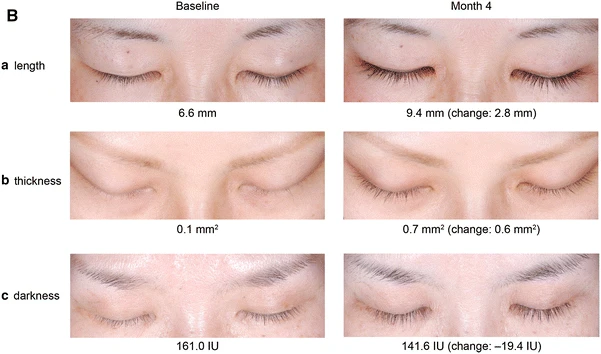
- For eyelash and eyebrow thickening.
- In medicine as a laxative.
- To reduce inflammation in sore joints.
What Is Black Castor Oil?
Unlike regular castor oil, B. C. O undergoes a unique preparation method. Castor beans are first roasted, and then the oil is extracted through heat-based pressing. This process creates ash, which blends into the oil, giving it a dark color and a stronger, smokier scent.
How Black Castor Oil Is Made
- Beans are roasted until charred.
- The roasted beans are crushed and boiled.
- Ash content mixes with the oil, increasing alkalinity.
This method originated in Jamaica, which is why it is often referred to as Jamaican B. C. O (JBCO).
Key Differences Between Castor Oil and Black Castor Oil
- Color: Regular oil is pale yellow, while black oil is dark brown to black.
- Extraction: Cold-pressed vs. heat-roasted.
- pH Levels: B. C. O. is more alkaline due to ash.
- Scent: Castor oil carries a light aroma, B. C. O. features a stronger, smoky smell.
Why People Use Black Castor Oil
Many people turn to black castor oil because:
- It’s believed to stimulate hair growth more effectively.
- Its alkalinity may help open hair cuticles for deeper penetration.
- This style is frequently chosen for natural hair, braids, and locs.
Castor Oil vs. Black Castor Oil – Key Differences
Here’s a side-by-side comparison:
| Feature | Castor Oil (Regular) | Black Castor Oil (JBCO) |
| Color | Pale yellow | Dark brown/black |
| Extraction | Cold pressed | Roasted beans, heat extraction |
| pH Level | Neutral | Alkaline (due to ash) |
| Texture | Light and smooth | Thicker and heavier |
| Best For | Skin care, eyelashes, eyebrows | Hair growth, scalp health, afro hair |
Nutritional Composition
Both oils contain ricinoleic acid, a fatty acid known for its anti-inflammatory and antimicrobial properties. However, black castor oil also contains trace minerals from ash, which some believe enhance hair health.
Which Is Better for Hair Growth?
- Castor oil is excellent for thin, fine hair because it’s lighter.
- Black castor oil works well for thick, coarse, or dry hair because of its richness and ability to penetrate deeply.
Which Is Better for Skin Care?
- Castor oil is more suitable for direct application on skin, eyelashes, and eyebrows.
- Black castor oil can feel heavy and may clog pores in sensitive skin.
Health and Beauty Benefits of Castor Oil
Castor oil’s popularity in natural remedies comes from its multi-purpose benefits:
Moisturizing and Healing Properties
Its thick texture locks in moisture, making it ideal for cracked heels, chapped lips, and dry patches.
Castor Oil for Eyelashes and Eyebrows
Many users say that using it every day makes their lashes look thicker and their brows appear fuller.
Castor Oil for Constipation
As a well-known laxative, it stimulates the intestines. However, it should only be used under medical guidance.
Castor Oil for Inflammation and Joint Pain
Ricinoleic acid reduces swelling, making it useful in massage oils for arthritis or sore muscles.
Health and Beauty Benefits of Black Castor Oil
Black Castor Oil for Hair Growth
Its alkaline nature helps unclog hair follicles and promote circulation in the scalp. This makes it a favorite among people with slow hair growth.
Black Castor Oil for Dry Skin and Acne
It provides hydration, though it’s better suited for very dry skin rather than oily types.
Black Castor Oil for Beard Growth
Men use it to stimulate beard thickness and soften coarse hair.
Black Castor Oil for Natural Hair Care
Particularly beneficial for afro-textured hair, it’s used in hot oil treatments, scalp massages, and protective hairstyles.
How to Use Castor Oil and Black Castor Oil
Best Ways to Apply Castor Oil
- Massage into the scalp for hair growth.
- Apply with a mascara wand to eyelashes and eyebrows.
- Use as a natural moisturizer on skin.
Best Ways to Use Black Castor Oil
- Warm it slightly and massage into the scalp.
- Add to deep conditioners for hair hydration.
- Use on the tips of your hair to help lessen breakage.
DIY Recipes with Castor Oils
- Hair Growth Serum: Mix castor oil with coconut oil and rosemary oil.
- Skin Serum: Blend castor oil with jojoba oil and vitamin E.
- Hot Oil Treatment: Warm B. C. O with olive oil for a deep scalp massage.
Dos and Don’ts:
- Do a patch test before use.
- Don’t over-apply; a little goes a long way.
- Do mix with lighter oils for easier absorption.
Potential Side Effects and Precautions
Ingestion Safety
While castor oil is used as a laxative, B. C. O should not be ingested. Overuse can cause cramping or diarrhea.
Allergic Reactions
Some people experience itching or rash. Always test on a small area first.
Who Should Avoid It?
- Pregnant women (risk of inducing labor).
- People with sensitive skin prone to acne.
Choosing the Right Castor Oil for You
When to Use Regular Castor Oil
- Best for skin, eyelashes, and eyebrows.
- Good for fine or thin hair.
When to Choose Black Castor Oil
- Ideal for thick, coarse, or afro-textured hair.
- Great for scalp treatments and beard care.
How to Spot High-Quality Oils
- Look for 100% pure, cold-pressed castor oil.
- For JBCO, ensure it’s authentic and not diluted.
- Choose organic certification when possible.
Where to Buy Castor Oil and Black Castor Oil
Trusted Brands and Recommendations
- Heritage Store Castor Oil
- Tropic Isle Living Jamaican B. C. O
- Sky Organics Castor Oil
Online Stores vs. Local Shops
- Online platforms like Amazon and iHerb offer variety.
- Local pharmacies and beauty shops may stock smaller brands.
Avoiding Counterfeit Oils
- Check the ingredient label.
- Avoid products with mineral oil or artificial fillers.
- Buy from reputable retailers.
Final Thoughts on Castor Oil vs. Black Castor Oil
Both castor oil and B. C. O deliver impressive health and beauty benefits, but they serve slightly different purposes. Regular castor oil works better for skin care, eyelashes, and sensitive areas, while B. C. O is ideal for scalp health, hair growth, and afro-textured hair.
Here’s a quick recap:
| Need | Best Option |
| Eyelashes & eyebrows | Castor oil |
| Skin hydration | Castor oil |
| Hair growth (fine hair) | Castor oil |
| Hair growth (thick hair) | B. C. O |
| Beard & scalp health | B. C. O |
Selecting the suitable oil relies on your specific goals and the type of hair or skin you have. By understanding these differences, you’ll be able to get the most out of these natural beauty remedies.












Leave a Reply