

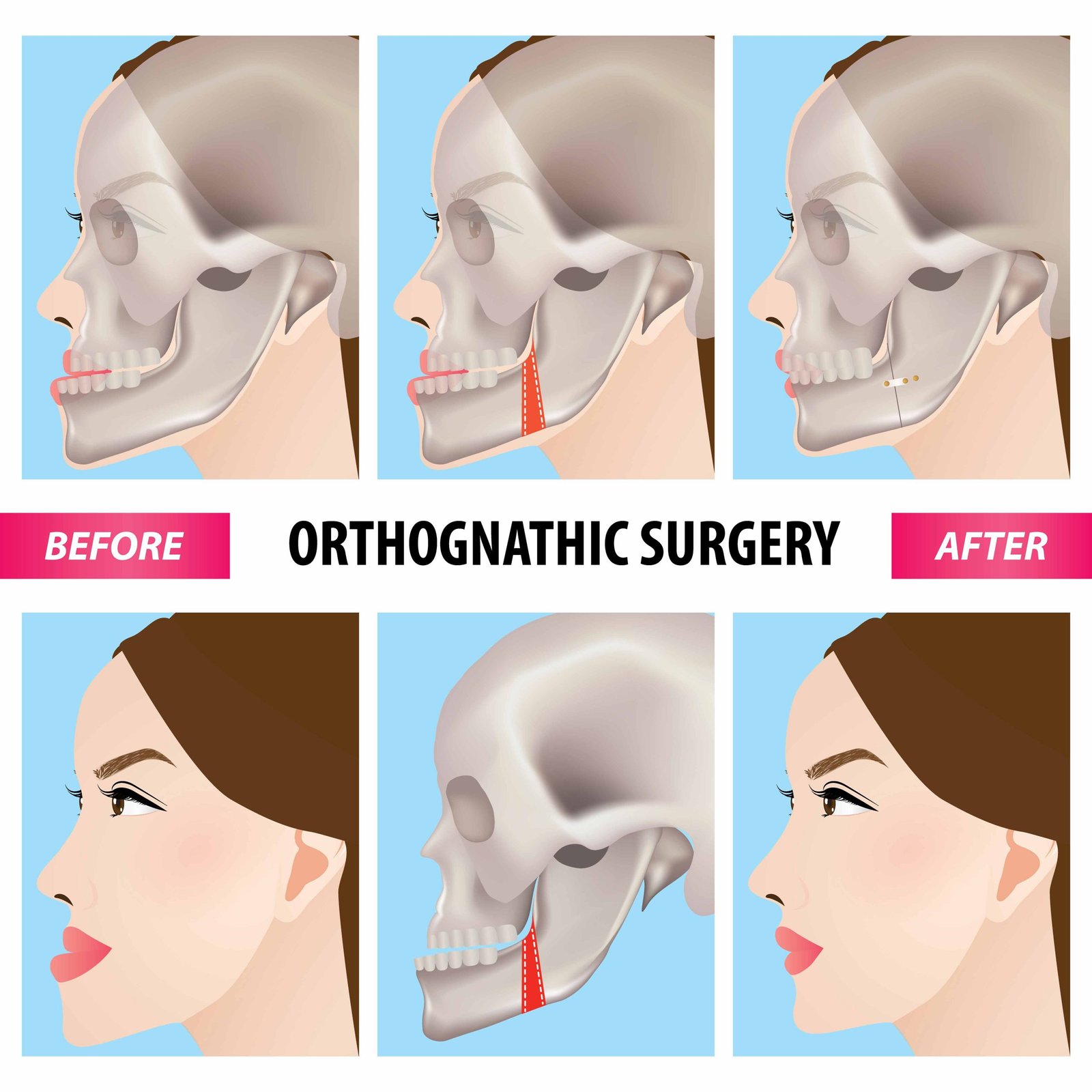
Corrective jaw surgery, also known as orthognathic surgery, is a life-changing procedure designed to fix jaw misalignment, improve bite function, and sometimes enhance facial symmetry. For many patients, the thought of surgery brings up an equally pressing concern: the cost. Understanding how much corrective jaw surgery costs, what influences the final bill, and how to manage those expenses can help you prepare both financially and emotionally for the journey ahead.
This guide takes a deep look at the real expenses involved, the factors that make prices vary, insurance coverage, financing options, and practical tips to save money. By the end, you’ll know what to expect and how to plan.
What Is Corrective Jaw Surgery?
Corrective jaw surgery is a procedure that repositions the jaw to solve problems such as misaligned bites, difficulty chewing, sleep apnea, and facial imbalances. Unlike cosmetic jawline surgery that focuses only on appearance, this procedure addresses both functional and aesthetic concerns.
Conditions treated include:
- Overbite and underbite
- Open bite (front teeth don’t touch)
- Crossbite
- Facial injuries or trauma
- Obstructive sleep apnea
- Speech difficulties related to jaw structure
Often, orthodontic treatment with braces or Invisalign is required before and after the operation. This means the total treatment plan includes far more than just the surgery itself, which impacts the final cost.
Factors That Influence Corrective Jaw Surgery Costs
The cost of this surgery doesn’t come from a single number. Instead, it’s shaped by several elements working together.
Geographic Location
Where you live matters. Surgery in a metropolitan city like New York or Los Angeles often costs significantly more than in smaller towns or rural areas. Internationally, the United States generally has some of the highest prices, while countries like India, Turkey, and South Korea offer lower costs without always sacrificing quality.
Surgeon’s Expertise and Reputation
Highly experienced oral and maxillofacial surgeons typically charge higher fees, but their track record can mean fewer complications and better outcomes. Patients often pay more for peace of mind.
Type and Complexity of Surgery
- Single jaw surgery (upper or lower jaw only) is usually less expensive.
- Double jaw surgery (upper and lower together) doubles the complexity and raises the cost.
- Additional procedures like bone grafts, plates, or screws can also add thousands.
Hospital and Facility Fees
Operating room charges, anesthesia, and the length of hospital stay all affect costs. Some hospitals bundle these fees, while others list them separately.
Pre- and Post-Surgery Expenses
- Diagnostic tests: X-rays, CT scans, 3D imaging
- Orthodontics before and after surgery
- Medications and pain management
- Follow-up visits
These supporting costs can add $5,000–$10,000 to the total bill.
Average Corrective Jaw Surgery Costs
To give a realistic picture, let’s look at typical price ranges around the world.
In the United States
The average price falls between $20,000 and $40,000, depending on complexity. This often includes surgeon’s fees, hospital charges, and anesthesia but may exclude orthodontics.
Cost Breakdown (U.S. average):
| Expense Category | Estimated Range |
| Surgeon’s Fee | $8,000 – $15,000 |
| Hospital/Facility Fees | $5,000 – $10,000 |
| Anesthesia | $1,500 – $3,000 |
| Orthodontics (braces etc) | $5,000 – $10,000 |
| Imaging/Consultations | $500 – $2,000 |
International Costs
| Country | Average Cost (USD) | Notes |
| United States | $20,000 – $40,000 | One of the most expensive regions |
| United Kingdom | $10,000 – $25,000 | Sometimes covered by NHS if medically necessary |
| Canada | $7,000 – $20,000 | Some cases covered by provincial health |
| Australia | $15,000 – $30,000 | Insurance coverage varies |
| India | $4,000 – $10,000 | Popular for medical tourism |
| South Korea | $7,000 – $15,000 | Known for advanced maxillofacial surgery |
| Turkey | $6,000 – $12,000 | Affordable with strong reputation in medical tourism |
ingle Jaw vs Double Jaw Surgery Costs
| Type of Surgery | Average Cost (USD) |
| Single Jaw Surgery | $15,000 – $25,000 |
| Double Jaw Surgery | $30,000 – $50,000 |
Double jaw surgery almost always requires a longer hospital stay and more complex anesthesia, which explains the higher price.
Insurance Coverage for Corrective Jaw Surgery
One of the most pressing questions patients ask: Will insurance cover it?
Insurance providers might pay for the procedure if it is considered essential for health reasons.
Examples include:
- Severe bite problems impacting chewing and digestion
- Jaw deformities affecting speech
- Obstructive sleep apnea caused by jaw structure
- Facial injuries or trauma requiring reconstruction
However, if the surgery is done mainly for cosmetic reasons, insurance rarely covers it. Even when approved, patients often face out-of-pocket expenses for orthodontics, imaging, or extended hospital stays.
Tips for navigating insurance:
- Ask your surgeon to provide detailed medical documentation
- Submit all orthodontic and surgical evaluations together
- Appeal if your claim is denied; persistence matters
Financing Options and Payment Plans
When insurance doesn’t cover the full amount, many patients turn to financing.
Options include:
- Hospital payment plans: Many clinics offer structured monthly payments.
- Medical credit cards: Programs like CareCredit allow short-term financing.
- Personal loans: Banks and online lenders often provide medical-specific loans.
- Health Savings Accounts (HSA) or Flexible Spending Accounts (FSA): In the U.S., these accounts allow you to use pre-tax dollars for medical expenses.
Hidden and Long-Term Costs
Surgery is only one part of the financial journey. Patients should prepare for ongoing expenses such as:
- Pain management and medications in the weeks after surgery
- Follow-up visits with both the surgeon and orthodontist
- Retainers or orthodontic adjustments once healing is complete
- Missed work or school during recovery (typically 2–6 weeks)
Factoring in these hidden costs can prevent financial surprises later.
How to Save on Corrective Jaw Surgery Costs
Here are practical ways to lower expenses without compromising on quality:
- Compare surgeons and hospitals: Fees can vary widely.
- Seek treatment at teaching hospitals: Costs are often lower, and surgeons in training are supervised by experts.
- Explore medical tourism: Countries like India, Turkey, and South Korea provide skilled care at reduced costs.
- Negotiate payment plans: Many clinics are willing to spread payments over time.
Real Patient Experiences
Hearing from patients who’ve gone through the process can provide valuable insight.
“I had double jaw surgery in Texas. Insurance covered about half since it was medically necessary. My total out-of-pocket was around $18,000, but the change in my bite and breathing was worth it.” – Patient A
“I traveled to South Korea for my jaw surgery. Including travel, accommodation, and surgery, the cost was $12,000, which was still cheaper than doing it in the U.S.” – Patient B
These real-world cases show that costs vary greatly, but with research, patients can find an option that works.
Corrective Jaw Surgery Costs vs Alternatives
Not everyone requires full surgery. Some alternatives include:
- Orthodontics alone (braces, Invisalign) – $3,000–$8,000
- Facial fillers or implants – Temporary and mainly cosmetic
- Jaw expanders for children and teens – Lower costs if treated early
| Option | Cost Range (USD) | Pros | Cons |
| Corrective Jaw Surgery | $20,000 – $40,000 | Permanent fix | Invasive, costly |
| Orthodontics | $3,000 – $8,000 | Non-surgical, effective for mild cases | Cannot fix severe jaw misalignment |
| Facial Fillers/Implants | $2,000 – $7,000 | Cosmetic improvement | Not functional, temporary |
Conclusion
Corrective jaw surgery is a major investment, with costs ranging from a few thousand dollars in some countries to more than $40,000 in others. Factors like location, surgeon experience, complexity, and hospital fees all influence the final price. While insurance sometimes covers it, many patients rely on financing options or medical tourism to make it affordable.
By understanding the breakdown of costs, planning for hidden expenses, and exploring ways to save, you can make informed decisions about whether corrective jaw surgery is the right choice for you.
The best step you can take is to consult with an experienced oral surgeon who can provide a personalized treatment plan and accurate estimate. While the financial commitment is significant, the long-term benefits to health, function, and confidence often make it a life-changing investment.









Leave a Reply