

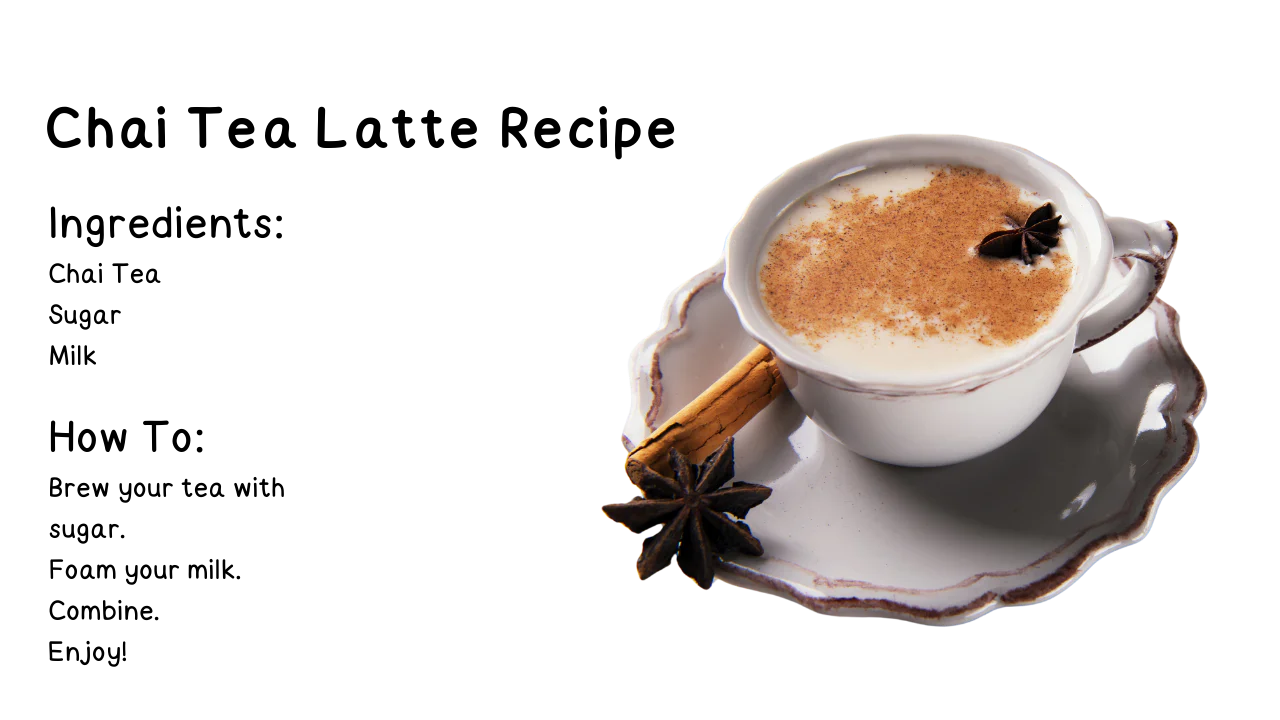
If you’ve ever curled up with a warm chai latte and wondered whether it gives you a caffeine buzz like coffee, you’re not alone. Many tea lovers think of chai as a cozy, soothing drink, but the truth is—it does contain caffeine. The amount, however, depends on how it’s made. In this deep dive, we’ll explore everything you need to know about chai lattes and their caffeine content, from how they compare to coffee to how you can make a caffeine-free version at home.
What Exactly Is a Chai Latte?
To understand whether a chai latte has caffeine, you first need to know what it really is. The word chai actually means “tea” in Hindi, and what many Westerners call “chai tea” is traditionally known as masala chai—a blend of black tea, milk, sugar, and aromatic spices.
A Brief History
Chai originated in India centuries ago as a medicinal drink inspired by Ayurvedic practices. Spices like ginger, cardamom, cinnamon, and cloves were added for their healing properties. When the British introduced black tea from Assam during the colonial period, it became a daily beverage enjoyed across the subcontinent.
Modern Chai Latte
The Western-style chai latte we see in coffee shops today is usually made with:
- Black tea (the caffeine source)
- Steamed milk or plant-based milk
- Sweetener (often honey or syrup)
- Spice mix (typically cinnamon, cloves, cardamom, ginger, and black pepper)
This creamy, spiced drink offers both comfort and gentle stimulation—but not the same jolt you’d get from a strong coffee.
So, Does a Chai Latte Have Caffeine?
The Short Answer
Yes, chai lattes contain caffeine because they’re made with black tea leaves. However, the amount of caffeine depends on how the tea is brewed and how concentrated it is.
Unlike coffee, where caffeine is the main star, in chai lattes it plays a supporting role. The rich spices, milk, and sweetness create a balance that makes it feel smooth and calming rather than jittery.
Average Caffeine Content in a Chai Latte
Here’s a quick comparison showing how chai lattes stack up against other popular drinks:
| Beverage | Average Caffeine (per 8 oz) | Notes |
| Chai Latte (brewed) | 30–50 mg | Depends on steep time and tea blend |
| Coffee | 95–120 mg | Stronger caffeine kick |
| Green Tea | 25–35 mg | Milder and lighter flavor |
| Matcha Latte | 60–70 mg | Higher due to powdered tea |
| Decaf Coffee | 2–5 mg | Nearly caffeine-free |
Key takeaway: chai lattes have roughly half the caffeine of a regular cup of coffee. That makes them perfect for people who want some energy without feeling overstimulated.
Factors That Affect Caffeine Levels
Caffeine levels in chai lattes aren’t fixed—they vary widely depending on several factors:
- Type of Tea Used:
Some chai blends use Assam or Darjeeling teas, which naturally have higher caffeine than others like Ceylon or Nilgiri. - Steeping Time and Temperature:
The longer and hotter you steep the tea, the more caffeine gets released. - Tea-to-Milk Ratio:
More milk means dilution and less caffeine per sip. - Instant vs Brewed:
Premade concentrates (like those from coffee chains) tend to have less caffeine than freshly brewed chai from tea leaves. - Serving Size:
A 16-ounce chai latte will naturally contain more caffeine than an 8-ounce one.
Chai Latte vs Coffee: Which Has More Caffeine?
If coffee is a fast sprint, chai latte is a steady jog. Both wake you up, but they do so differently.
Coffee contains more caffeine, usually between 95–120 mg per cup, and gives you a quick energy burst. Chai lattes, averaging 30–70 mg, offer smoother and longer-lasting alertness thanks to the tea compound L-theanine.
Why Chai Feels Calmer
- L-theanine promotes relaxation and focus.
- Milk and spices slow down caffeine absorption.
- Balanced flavor profile makes it gentler on your stomach.
Example: If a cup of black coffee feels like a sharp alarm clock, a chai latte feels like a soft sunrise—gradual, warming, and balanced.
Does a Dirty Chai Latte Have More Caffeine?
What Is a Dirty Chai Latte?
A dirty chai latte is a chai latte with one or two shots of espresso added. It’s popular among those who want the comforting taste of chai but need an extra caffeine boost.
Caffeine Levels in Dirty Chai
Here’s a look at how much caffeine is in different versions:
| Drink | Total Caffeine (12 oz) |
| Chai Latte | 40–70 mg |
| Dirty Chai Latte (1 espresso shot) | 100–130 mg |
| Dirty Chai Latte (2 espresso shots) | 160–190 mg |
Adding espresso dramatically raises the caffeine level—sometimes even surpassing a regular coffee.
Tip: If you’re sensitive to caffeine, ask for a “half-shot dirty chai” to get the flavor without the full energy surge.
Strategies for Preparing a Chai Latte with Reduced or No Caffeine
You don’t have to give up chai to avoid caffeine. There are plenty of ways to enjoy its comforting flavors without the buzz.
1. Use Decaf Tea
Swap regular black tea for decaffeinated black tea. You’ll still get the same spiced flavor but with minimal caffeine.
2. Try Rooibos Chai
Rooibos, a type of red bush tea originating from South Africa, does not contain caffeine. Many brands now sell rooibos chai blends that mimic the taste of traditional chai.
3. Shorter Steeping Time
Brew your tea for 2–3 minutes instead of 5 to reduce caffeine extraction.
4. Herbal Blends
Seek out herbal chai prepared with components such as cinnamon, cardamom, clove, and fennel—without any tea leaves or caffeine.
Caffeine-Free Chai Latte Recipe
Here’s an easy recipe for a caffeine-free chai latte you can make at home:
Ingredients:
- 1 cup water
- 1 cup milk (or almond/oat milk)
- 1 tsp rooibos or herbal chai blend
- ½ inch ginger (sliced)
- 1 cinnamon stick
- 2 cardamom pods
- 2 cloves
- 1 tsp honey (optional)
Instructions:
- Simmer water, spices, and rooibos for 5 minutes.
- Add milk and heat gently (don’t boil).
- Strain, sweeten with honey, and enjoy.
This version gives you all the warmth and flavor of traditional chai without keeping you awake at night.
Health Benefits of Chai Latte Beyond Caffeine
Even if you’re not chasing caffeine, chai has plenty to offer. The spices in chai aren’t just for taste—they carry impressive health benefits.
1. Rich in Antioxidants
Black tea contains polyphenols that help reduce oxidative stress, while cinnamon and cardamom have their own antioxidant properties.
2. Boosts Digestion
Ginger and black pepper stimulate digestive enzymes, helping your body process food efficiently.
3. Anti-Inflammatory Effects
Cinnamon and cloves are known for their ability to reduce inflammation and support immune health.
4. Heart and Blood Sugar Support
Studies suggest black tea and cinnamon may help regulate blood sugar levels and improve heart health by reducing LDL cholesterol.
| Ingredient | Health Benefit | Active Compound |
| Ginger | Aids digestion | Gingerol |
| Cinnamon | Balances blood sugar | Cinnamaldehyde |
| Cardamom | Freshens breath, boosts mood | Cineole |
| Cloves | Reduces inflammation | Eugenol |
| Black Tea | Improves focus and alertness | Caffeine + L-theanine |
Quote: “Chai is not just a drink—it’s comfort, culture, and health in one warm cup.”
FAQs About Chai Latte and Caffeine
Is Chai Latte Stronger Than Coffee?
No. A typical chai latte has less than half the caffeine of coffee, making it a great choice for a gentle energy boost.
Can You Drink Chai Latte Before Bed?
If you’re sensitive to caffeine, choose a decaf or rooibos version. The spices are soothing, but the caffeine in regular chai could disrupt sleep.
How Much Caffeine Is Too Much?
Most health experts recommend keeping daily caffeine intake under 400 mg. That’s roughly 6–8 cups of chai or 3–4 cups of coffee.
Are Chai Tea Bags the Same as Chai Lattes?
Not quite. Tea bags contain just the spiced tea base. A chai latte adds steamed milk and sweetener, changing both flavor and caffeine concentration.
Final Thoughts: Should You Worry About Caffeine in Chai Latte?
The next time you sip your favorite chai, remember that yes—it does contain caffeine, but in moderate, manageable amounts. It’s a perfect balance between flavor, comfort, and gentle stimulation.
If you’re someone who loves the warmth of tea but can’t handle too much caffeine, opt for smaller servings, decaf versions, or herbal chai blends. And if you need a kick, go for a dirty chai latte for that extra espresso buzz.
In short: chai latte is a drink that bridges both worlds—it soothes and energizes, comforts and awakens. Whether you drink it for its flavor, its caffeine, or its tradition, it’s a ritual worth keeping.
Meta Description:
Discover if chai lattes have caffeine, how much they contain, and how they compare to coffee. Learn about health benefits, caffeine-free options, and brewing tips.
Related Keywords:
chai latte caffeine content, caffeine in chai tea, caffeine in dirty chai, caffeine-free chai, how much caffeine in chai latte, chai vs coffee








Leave a Reply