

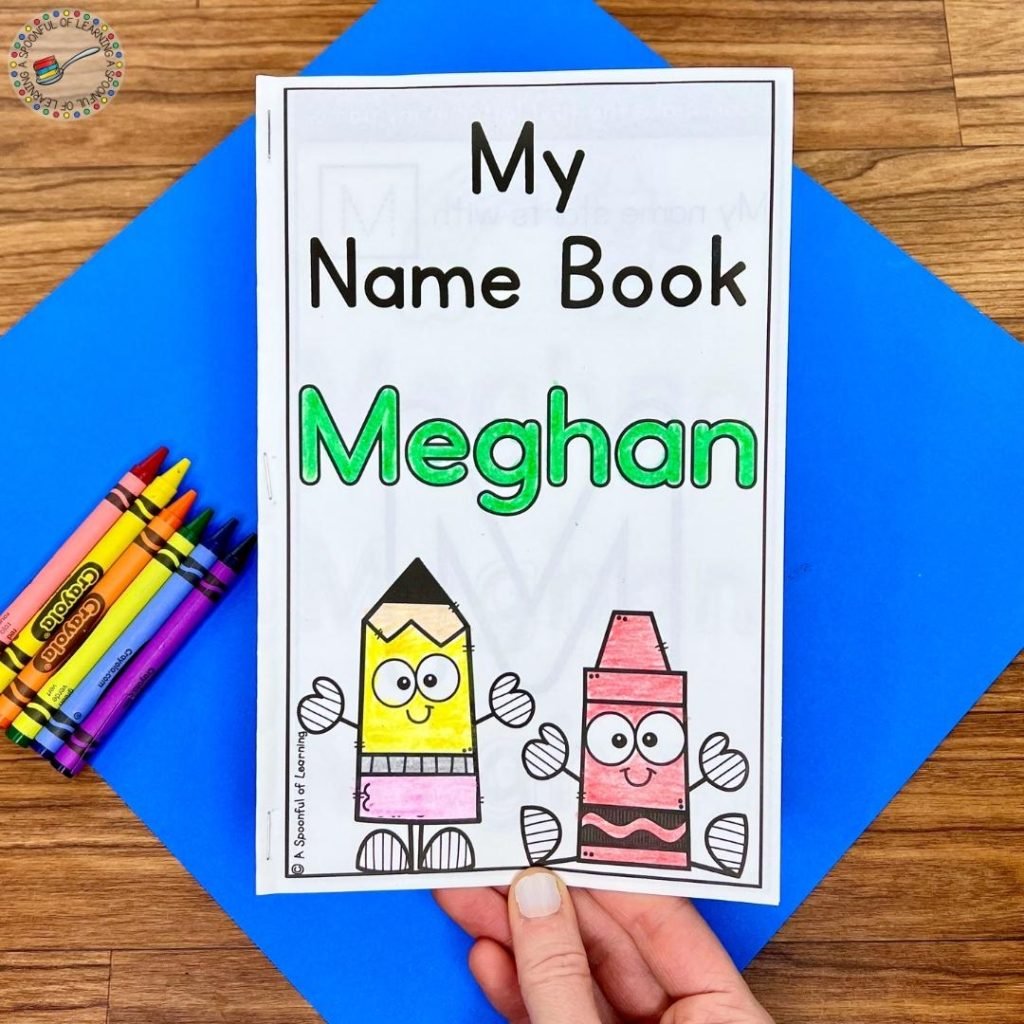
Books carry stories, knowledge, and memories, but they also carry identity. When you add your name inside a book, you make it more than just a printed object—you claim it as your own, give it sentimental value, and sometimes even transform it into a keepsake. Whether you want to prevent your novels from getting lost in a classroom, personalize a gift for a friend, or showcase your private collection, understanding how to write your name on a book in the right way makes a lasting difference.
This guide explores not just where to write your name but also how to do it neatly, creatively, and meaningfully. From classic pen inscriptions to artistic calligraphy and even modern customization, you’ll find everything you need here.
Why Writing Your Name on a Book Matters
It may seem like a small detail, but writing your name on a book can serve multiple purposes:
- Ownership and Security: When books circulate in classrooms, offices, or libraries, a name ensures they find their way back to the right person.
- Personal Connection: Inscribing your name creates a stronger bond between you and the story or knowledge inside.
- Gift Value: Adding a personal inscription when giving a book turns it into a memorable, thoughtful present.
- Collectible Significance: A signed copy from an author holds financial and sentimental value; in the same way, your signature makes your copy unique.
Example: A schoolteacher once kept a log of her novels, each signed with her name on the flyleaf. Years later, when her collection passed to her grandchildren, they recognized the books instantly because of her signature—a small act that preserved memories.
Where to Write Your Name in a Book
Choosing the right spot depends on why you’re writing your name and how visible you want it to be.
Inside Front Cover
This is the most traditional and widely used location. It’s easy to find, doesn’t interfere with the text, and suits both personal and professional books.
Title Page
Placing your name on the title page feels clean and centered. It’s a popular choice when gifting books or creating a more formal presentation.
First Blank Page (Flyleaf)
The flyleaf, often found before or after the main text, provides a spacious area for inscriptions. Collectors often favor this option because it keeps the book uncluttered.
Book Edges (Fore-edge or Top)
A creative option, especially for large personal libraries. Writing on the edges of the pages makes your collection easy to identify even when the books are shelved tightly together.
| Location | Best For | Pros | Cons |
| Inside Cover | Personal, school, office | Easy, practical | May fade if heavily used |
| Title Page | Gifting, formal | Neat, elegant | Can interfere with title aesthetics |
| Flyleaf | Collectors, personal | Clean, uncluttered | Not always present |
| Book Edges | Large collections | Visible on shelves | Less traditional |
How to Write Your Name on a Book Neatly
Writing your name well is just as important as choosing where to place it.
Using Pen or Marker
Pens remain the simplest choice. Fine-tip archival pens or fountain pens are best, as they don’t bleed or fade. Gel pens offer smooth flow, while blue or black ink suits most occasions. For children’s books, colored pens or markers can be fun, but avoid ones that soak through thin paper.
Calligraphy or Decorative Writing
For a touch of artistry, calligraphy elevates a simple name into a design element. Even basic cursive writing gives a classic feel. Decorative writing suits gift inscriptions and special collections.
Bookplates and Stickers
Bookplates—small labels with space for your name—have been around for centuries. Today, you can buy pre-made versions or design custom stickers online. They’re neat, stylish, and removable if you ever pass on the book.
Digital Printing and Customization
Modern services let you print your name directly into a book, either during purchase or as a post-print customization. This option works best for professional editions or books meant to be presented as awards.
Tips for Writing Your Name on a Book
When it comes to execution, a few best practices make a big difference:
- Keep it neat and consistent: Use the same handwriting style or font across your collection.
- Match purpose with style: A casual scrawl works for personal notes, while elegant lettering fits gifts or formal books.
- Use the right tools: Avoid thick markers that bleed. Stick with fine-tip pens for clarity.
- Think about permanence: Pencil is erasable but less lasting; ink ensures durability.
Pro Tip: If you want a removable option for children’s textbooks, write names in pencil and later erase them without damaging the book.
Creative Ideas for Writing Your Name on a Book
A name alone can feel plain, so why not add personality?
- Include a date: Adding the purchase or gift date turns a book into a memory capsule.
- Short quotes: Write a favorite line beneath your name to mark why the book matters.
- Monograms and initials: Elegant and minimal, especially for professional collections.
- Doodles or sketches: Add small illustrations that match the book’s theme (stars for sci-fi, vines for nature).
- Genre-inspired styles: Gothic lettering for classics, modern bold font for business books, playful colors for children’s stories.
Case Study: A book collector in London wrote his initials along with the year of purchase on every title page. Decades later, his library became an archive, with each book offering a glimpse into his reading journey.
Common Mistakes to Avoid
It’s easy to get carried away when personalizing, but mistakes can ruin the look:
- Writing too large or covering illustrations.
- Using cheap markers that smudge or bleed.
- Adding too many decorations that distract from the text.
- Forgetting about permanence—some inks fade quickly.
- Writing on rare or collectible books in ways that reduce their value.
FAQs About Writing Your Name on a Book
Should I use pen or pencil?
Use pen if you want permanence. Pencil works if you plan to resell or pass down the book.
Is it okay to write in valuable or rare books?
Collectors usually advise against it. Instead, use a removable bookplate or slip.
Where should children write their names?
The inside cover works best—large enough for kids, and easy for teachers to identify.
Can I remove my name later?
Yes. Pencil erases easily. Ink can sometimes be removed with careful restoration, though not without risk.
Conclusion
At first glance, writing your name inside a book feels like a small act, but in reality, it weaves together ownership, identity, and memory. The right spot, style, and tools can make the difference between a messy scribble and a timeless mark. Whether you’re personalizing a school textbook, gifting a novel, or curating a professional library, the way you inscribe your name reflects your relationship with the book.
So take your time. Choose a neat pen, think about your style, and decide on a location that fits the purpose. Your books are more than paper and ink—they’re extensions of who you are. Writing your name inside them ensures they’ll always tell your story too.













Leave a Reply