

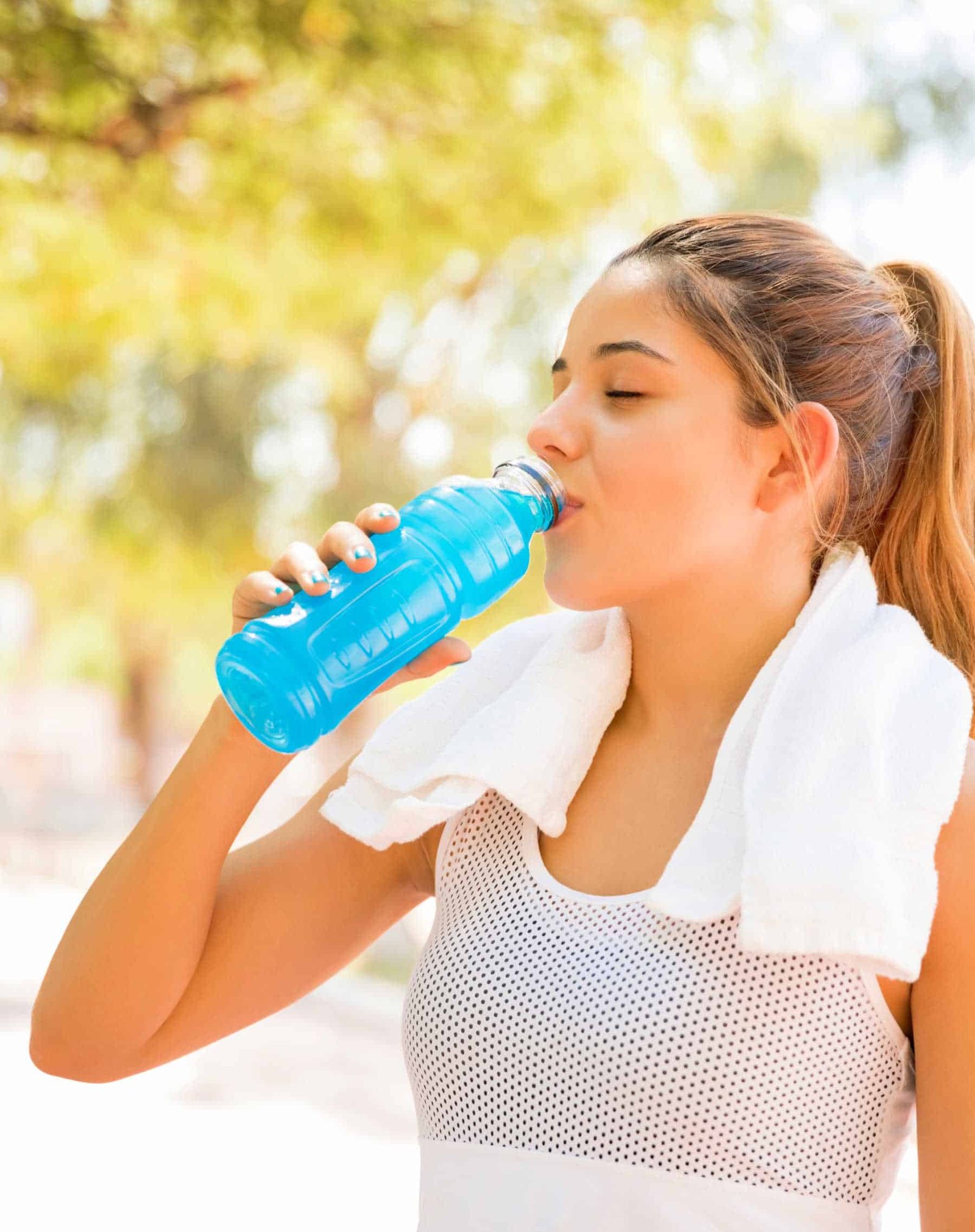
You’ve probably seen Body Armor drinks lined up beside energy and sports drinks like Gatorade and Powerade, promising natural hydration and performance benefits. With colorful bottles, celebrity endorsements, and a claim to be a “better-for-you” option, it’s easy to assume it’s healthy. But is it really? In this deep dive, we’ll unpack the science, nutrition facts, and expert opinions to answer the question — is Safety armor good for you?
What Is Body Armor? A Quick Overview
Body Armor is a sports beverage brand developed to offer a “natural” alternative to traditional sports drinks. It was founded in 2011 by Lance Collins and Mike Repole, the same minds behind Vitamin water and Smart water. In 2021, The Coca-Cola Company acquired full ownership, expanding Body Armor’s reach worldwide.
Body Armor Product Line
Safety armor isn’t just one drink — it’s a line of beverages designed for different needs:
| Product | Calories (per 16 oz) | Sugar (g) | Key Feature |
| Safety armor Sports Drink | 120 | 21 | Hydration + Electrolytes |
| Safety armor Lyte | 20 | 2 | Low-Calorie Option |
| Safety armor Edge | 140 | 26 | Energy + Caffeine Boost |
| Safety armor Water | 0 | 0 | Electrolyte-Enhanced Water |
These drinks are marketed with slogans like “superior hydration” and “made with natural flavors and sweeteners”, setting them apart from many older sports drink brands.
What’s in Body Armor? A Look at the Ingredients
Unlike some sports drinks loaded with artificial dyes and corn syrup, Body Armor emphasizes natural ingredients. However, that doesn’t automatically make it the healthiest choice. Let’s break it down.
Core Ingredients and Their Role
- Coconut Water: The base of most Body Armor drinks, providing natural electrolytes like potassium and magnesium.
- Electrolytes: Includes sodium, calcium, magnesium, and potassium for fluid balance.
- Vitamins: Contains vitamins A, C, E, and B-complex for energy metabolism and immune support.
- Sweeteners: Regular Body Armor uses pure cane sugar, while Body Armor Lyte contains stevia and erythritol.
- Natural Flavors & Colors: Derived from fruits and vegetables — a better alternative to synthetic dyes.
Comparing Body Armor vs Gatorade vs Powerade
| Drink | Calories | Sugar (g) | Sodium (mg) | Potassium (mg) |
| Body Armor | 120 | 21 | 40 | 700 |
| Gatorade | 140 | 34 | 270 | 75 |
| Powerade | 130 | 34 | 150 | 35 |
Observation: Body Armor contains less sodium but much higher potassium. This makes it ideal for those seeking potassium-rich hydration, though it may not replace sodium loss as efficiently after intense sweating.
Hidden Ingredients and Additives
While Body Armor avoids artificial preservatives, the term “natural flavors” is vague. According to FDA guidelines, these can still include lab-derived compounds as long as they originate from natural sources. So while Body Armor is cleaner than most competitors, it’s not purely natural.
Health Benefits of Drinking Body Armor
So, is Body Armor healthy? It depends on your activity level and purpose. For athletes, it can offer genuine benefits. For casual drinkers, it may simply be a sweet beverage with vitamins.
Hydration and Electrolyte Balance
During workouts, your body loses water and electrolytes through sweat. Body Armor replenishes both effectively. The coconut water base helps restore potassium faster than typical sports drinks. In one case study, marathon runners who used coconut-water-based beverages experienced better recovery and lower heart rates post-run compared to those drinking plain water.
Vitamins and Antioxidants
Body Armor provides vitamins A, C, and E — antioxidants that combat oxidative stress caused by exercise. These nutrients support immune function and aid in recovery. Vitamin B complex helps convert food into energy, supporting endurance athletes.
Sports Performance and Recovery
Athletes like Kobe Bryant (who was also an early investor in the brand) and James Harden have endorsed Body Armor, praising its cleaner formula. Studies on electrolyte balance suggest drinks like Body Armor help maintain muscle function and delay fatigue. While endorsements aren’t evidence, many professionals report better hydration and performance outcomes when switching from high-sodium drinks.
Potential Downsides — Is Body Armor Really Good for You?
No drink is perfect. While Body Armor offers nutrients, it also comes with caveats.
Sugar Content and Calories
A single 16-ounce Body Armor contains around 21 grams of sugar — slightly less than a can of soda. That’s fine after heavy workouts, but for daily hydration, it’s excessive. The Lyte version, with only 2 grams of sugar, is a better option for calorie-conscious consumers.
Pro tip: Stick with Body Armor Lyte if you want hydration without the sugar spike.
Overconsumption Risks
Can you drink Body Armor every day? Technically yes, but moderation is key. Overconsuming sugary drinks — even “natural” ones — can lead to weight gain and dental issues. Additionally, the vitamin content (especially A and E) can build up if combined with other fortified foods or supplements.
Not All “Natural” Ingredients Are Perfect
“Natural” doesn’t always mean healthy. The flavoring agents, though derived from plants, can still be processed chemically. Nutritionists often warn against relying solely on marketing buzzwords like “natural” or “organic.”
Who Should (and Shouldn’t) Drink Body Armor
Best for:
- Athletes and active individuals: Perfect for replenishing lost electrolytes.
- People in hot climates: Helps prevent dehydration.
- Those who prefer natural ingredients: Free from artificial dyes and preservatives.
Not Ideal for:
- Children: High sugar content can cause hyperactivity and dental decay.
- Diabetics: The regular version may spike blood sugar; opt for Body Armor Lyte instead.
- Sedentary individuals: Unnecessary calories from sugar with limited physical activity.
Expert Opinions and Nutritional Insights
What Dietitians Say About Sports Drinks
Registered dietitian Toby Amidor explains, “Sports drinks like Body Armor are beneficial during prolonged exercise exceeding an hour. For light workouts or daily hydration, water is usually enough.”
Similarly, the American College of Sports Medicine (ACSM) notes that electrolyte drinks should be reserved for endurance athletes or those exercising in extreme heat.
Scientific Research on Hydration and Electrolyte Drinks
A study from the National Institutes of Health (NIH) compared hydration from water, coconut water, and sports beverages. Results showed coconut water (a main Body Armor ingredient) provided hydration nearly equivalent to standard sports drinks but with less sodium.
Sources:
- Healthline: Electrolyte Drinks and Hydration
- NIH: Effects of Electrolyte Beverages on Performance
How to Make Body Armor Healthier for You
You don’t need to abandon your favorite sports drink — just use it smartly.
Tips to optimize Body Armor consumption:
- Drink only when needed: After workouts, long runs, or heat exposure.
- Try Body Armor Lyte: Lower calories, same electrolytes.
- Pair with water: Alternate between water and Body Armor for balanced hydration.
- DIY version: Mix coconut water, a pinch of salt, lemon juice, and honey — a homemade electrolyte drink with natural sweetness.
Final Verdict — Is Body Armor Good for You?
The answer depends on your lifestyle.
Body Armor is a solid choice for athletes, runners, and gym enthusiasts who need electrolyte replenishment. It’s packed with vitamins, antioxidants, and minerals that aid hydration and recovery. However, casual drinkers who don’t engage in intense exercise may consume unnecessary sugars and calories.
Pros:
- Natural ingredients and flavors
- Rich in potassium and antioxidants
- Great for athletic performance and recovery
Cons:
- High sugar in regular versions
- Not essential for light activity
- Vague labeling for “natural flavors”
Final Advice: If you’re active, go for it — preferably the Lyte version. For everyday hydration, stick with water or homemade options.
Frequently Asked Questions (FAQ)
- Is Body shield better than Gatorade?
Yes, in terms of natural ingredients and potassium content. However, Gatorade has more sodium, which may benefit heavy sweaters. - Can you drink Body shield every day?
Moderately, yes. Choose Body Armor Lyte if you’re monitoring sugar intake. - Is Body shield good for weight loss?
Not particularly. While it’s healthier than soda, the sugar content in regular versions can slow progress. - Does Body shield hydrate better than water?
It hydrates faster after intense exercise due to electrolytes, but for daily use, plain water suffices. - What’s the difference between Body shield and Body Armor Lyte?
Lyte contains fewer calories, less sugar, and uses stevia — ideal for daily or light use.
Conclusion
So, is Body shield good for you? The short answer — it can be. When used appropriately, especially after workouts, Body Armor delivers hydration and recovery benefits backed by electrolytes, coconut water, and vitamins. Yet, like all sweetened drinks, moderation matters.
If you’re chasing performance, Body Armor earns its spot in your gym bag. If you’re simply thirsty, water might still be your best friend.
Key takeaway: Choose wisely, stay hydrated, and don’t be fooled by clever marketing — real health starts with balance.










Leave a Reply