

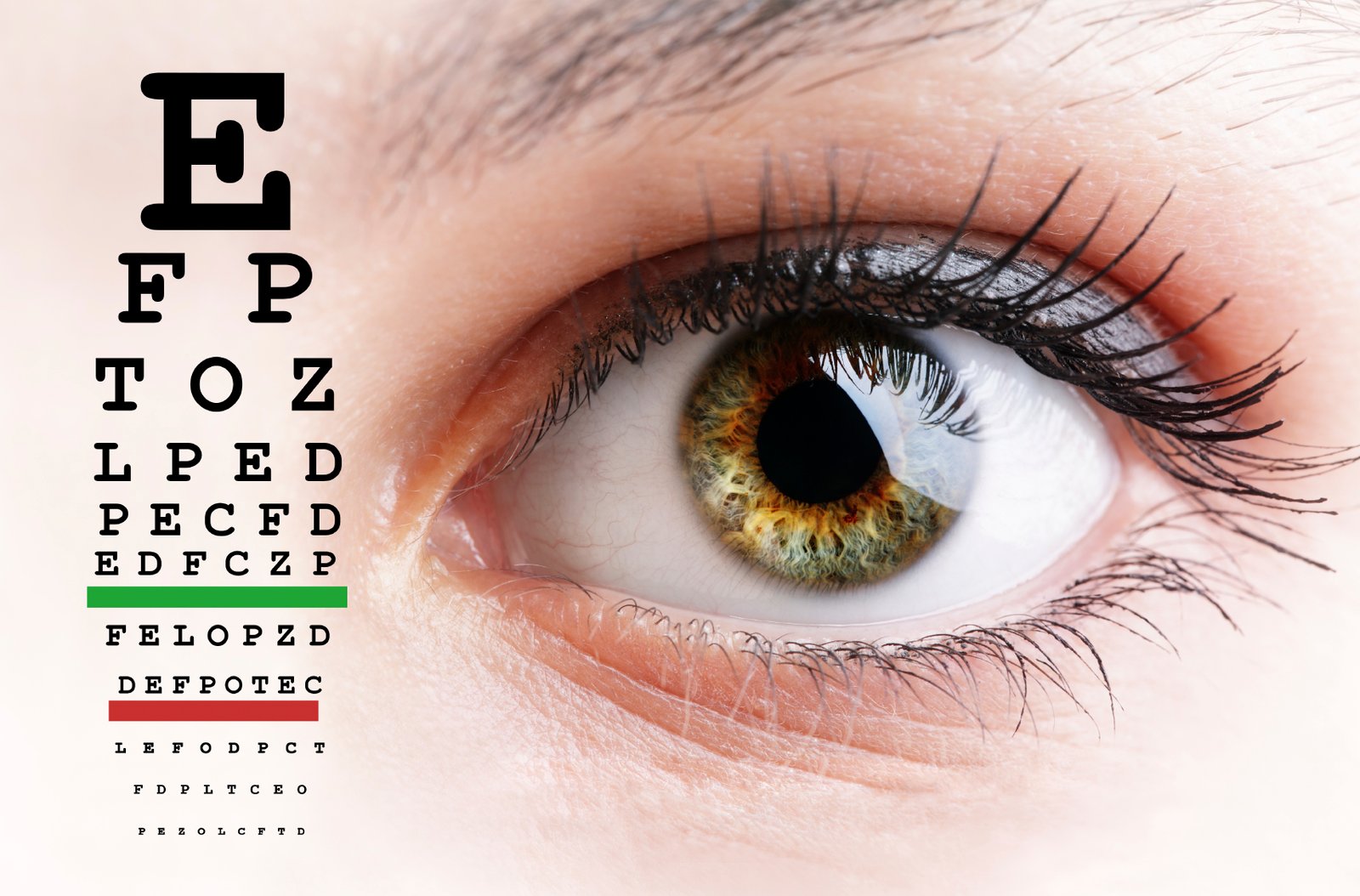
Good eyesight shapes how you experience the world. When clarity fades, even small changes in visual sharpness can affect your daily life. One of the terms you may hear from an optometrist is 20/50 vision. This measurement sounds technical, but once you understand it, the meaning becomes clear. Let’s explore what this level of eyesight really means, why it happens, and how to manage or correct it.
What Does 20/50 Vision Mean?
Visual acuity is measured using the Snellen chart, a tool developed in the 19th century that still guides eye exams today. The chart uses lines of letters that get smaller with each row.
When your eyesight is described as 20/50, it means you must stand at 20 feet to see what a person with normal vision can see from 50 feet. In short, your sight is blurrier than average.
Here’s a quick comparison for context:
| Vision Rating | What It Means |
| 20/20 | Standard “normal” vision, clear at expected distances |
| 20/40 | Below average; minimum for many driving licenses in some states |
| 20/50 | Blurred; objects appear unclear until closer than normal |
| 20/70 | Borderline low vision; often requires corrective lenses |
So, 20/50 vision isn’t the worst diagnosis, but it does indicate that you’re seeing the world less clearly than the average person.
Is 20/50 Vision Considered Bad Eyesight?
Whether it’s “bad” depends on how it affects your lifestyle. On the vision scale, 20/50 is mild to moderate impairment. For example, you may find it harder to read road signs, spot details at a distance, or recognize people until they’re closer.
Key points to note:
- It isn’t classified as blindness. Legal blindness usually begins at 20/200.
- Driving rules vary. Some regions allow drivers with 20/50 eyesight if they wear corrective lenses.
- Quality of life matters. If blurry vision interferes with work, hobbies, or safety, it needs attention.
In medical terms, 20/50 eyesight is manageable. With correction, most people can achieve near-normal clarity.
Causes of 20/50 Vision
Several conditions can lead to reduced visual acuity:
Refractive Errors
- Myopia (nearsightedness): Distant objects appear blurry.
- Hyperopia (farsightedness): Nearby objects are harder to see.
- Astigmatism: Corneal shape irregularities cause distortion.
Eye Conditions
- Cataracts: Clouding of the lens reduces sharpness.
- Glaucoma: Vision can become blurry due to harm to the optic nerve.
- Macular degeneration: Affects central vision clarity.
Lifestyle and Environment
- Prolonged screen exposure leading to eye strain.
- Poor lighting while reading or working.
- Lack of protective eyewear in bright sunlight.
Symptoms and Daily Challenges with 20/50 Vision
Living with blurred vision has practical consequences. You may notice:
- Difficulty reading text at a distance (street signs, classroom boards).
- Eye strain after prolonged reading or screen use.
- Struggling with night driving due to glare and halos.
- Misidentifying faces or details until people are close.
A case example: A teacher with 20/50 eyesight might squint at the whiteboard during staff meetings or need to sit closer in auditoriums. Over time, this creates fatigue and frustration.
Can 20/50 Vision Be Corrected?
The good news is that most cases are correctable. Treatment depends on the cause.
Eyeglasses and Contacts
- The simplest fix.
- Provide immediate improvement.
- Adaptable for work, study, and driving.
Surgical Options
- LASIK reshapes the cornea to correct refractive errors.
- PRK (Photorefractive Keratectomy) is another effective laser surgery.
- Cataract surgery restores clarity by replacing the cloudy lens.
Case Study
Emma, a 32-year-old graphic designer, struggled with blurry text and dull colors. After LASIK surgery, her vision improved to 20/20. She reported fewer headaches, improved productivity, and renewed confidence in her creative work.
When to See an Eye Doctor
Don’t wait for serious problems. Regular checkups catch issues early.
Warning Signs:
- Sudden worsening of blurriness.
- Frequent headaches or eye strain.
- Double vision or halos around lights.
Recommended Exam Frequency:
- Children: Every 1–2 years, especially during school age.
- Adults (18–60): At least once every two years.
- Adults 60+: Yearly exams due to higher risk of eye disease.
Early diagnosis often prevents small issues from becoming larger ones.
20/50 Vision and Driving Standards
Driving safety depends heavily on eyesight. Different regions set their own standards.
- In the United States, most states require at least 20/40 vision in one eye for an unrestricted license.
- Drivers with 20/50 eyesight may qualify if they wear corrective lenses.
- Commercial drivers face stricter requirements due to safety risks.
Safety Concerns
- Difficulty spotting pedestrians or cyclists in dim light.
- Misjudging distance at higher speeds.
- Increased reaction time due to unclear vision.
If you’re unsure whether your vision meets local standards, check with your Department of Motor Vehicles or equivalent authority.
Preventing Worsening of 20/50 Eyesight
While some causes are genetic, lifestyle choices matter too. Protecting your eyes can slow progression.
Healthy Habits:
- Nutrition: Eat foods rich in vitamin A, lutein, and omega-3 fatty acids. Examples include carrots, leafy greens, and salmon.
- Screen Breaks: Follow the 20-20-20 rule—look 20 feet away for 20 seconds every 20 minutes.
- UV Protection: Sunglasses block harmful rays that damage the eyes.
- Good Lighting: Avoid reading or working in dim light for long hours.
Think of eye care like dental hygiene—small daily steps prevent major problems later.
FAQs About 20/50 Vision
Is 20/50 vision considered legally blind?
No. Legal blindness usually starts at 20/200.
Can children have 20/50 eyesight?
Yes, but early correction prevents learning difficulties. Children often struggle with classroom boards if not treated.
Does 20/50 eyesight get worse with age?
It can. Many age-related conditions like cataracts gradually reduce clarity. Regular exams help track changes.
Can glasses fully restore vision to 20/20?
In most cases, yes. Corrective lenses adjust the way light enters the eye, compensating for refractive errors.
Final Thoughts – Living with 20/50 Vision
Having 20/50 eyesight doesn’t mean life stops. It simply means clarity isn’t as sharp without correction. With the right lenses, surgical options, and healthy habits, you can restore or maintain excellent vision.
Clear eyesight fuels independence, safety, and confidence. Whether it’s driving at night, reading comfortably, or enjoying a movie, seeing well transforms how you experience the world. If you notice blurry details or constant strain, book an eye exam. Taking action today ensures brighter, clearer tomorrows.












Leave a Reply