

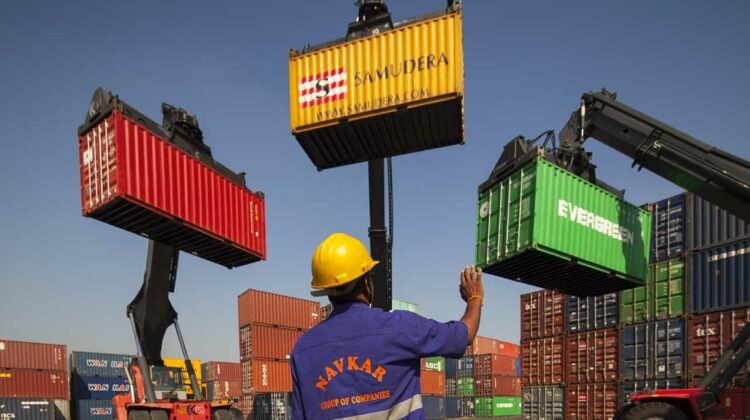
In today’s competitive logistics landscape, companies are constantly searching for ways to cut costs, streamline operations, and take greater control over their supply chains. A private freight terminal is one solution that has consistently become more popular. For businesses handling large volumes of goods—whether by rail, road, or intermodal transport—establishing a private facility can dramatically change the way freight is moved, stored, and managed.
This guide dives deep into what private freight terminals are, how they operate, the industries that benefit most, and the challenges companies face when building or using them. Whether you’re in manufacturing, retail, agriculture, or energy, understanding how a private terminal works could be the key to unlocking smoother, faster, and more cost-efficient freight management.
Understanding the Importance of a Private Freight Terminal in Today’s Logistics
A private freight terminal refers to a specialized site managed or owned by a business for the purpose of managing its cargo separately from public or government-operated freight centers. These terminals act as gateways for moving goods, connecting directly to railways, highways, or even ports. Unlike public freight yards—where congestion, delays, and limited scheduling control are common—private terminals provide direct oversight and tailored operations.
For companies that rely on time-sensitive deliveries or bulk cargo, this distinction is critical. A well-placed terminal can become the backbone of an efficient supply chain, cutting down on wait times and ensuring smoother cargo movement. In many ways, having a private terminal is like owning your own airport instead of depending solely on commercial hubs—you control the runway, the scheduling, and the traffic.
Key Benefits of Using a Private Freight Terminal
A private freight terminal offers a range of advantages that extend beyond cost savings. The main benefits include:
Cost Efficiency and Reduced Delays
Public freight facilities often face congestion, which leads to delays and added costs in the form of demurrage or extended storage fees. By managing your own terminal, you bypass those bottlenecks. Companies also reduce reliance on third-party handlers, which minimizes extra service charges.
Greater Control and Flexibility
One of the strongest advantages is operational control. A private freight terminal can be customized to handle specific cargo types, from heavy machinery to refrigerated goods. Businesses can also schedule movements according to production cycles, rather than waiting for open slots in public systems.
Enhanced Security and Compliance
Because access is limited at private facilities, companies benefit from enhanced security for their cargo. This controlled environment also makes it easier to comply with industry-specific regulations, such as food safety laws, hazardous material handling, or customs clearance requirements.
How Private Freight Terminals Operate
Understanding how these facilities function helps illustrate why they’re so valuable.
Core Facilities and Infrastructure
A typical terminal includes:
- Rail sidings for load
- ing and unloading trains
- Warehouses and container yards
- Truck bays and loading docks
- Automated tracking systems for real-time cargo updates
This infrastructure ensures cargo can move seamlessly from rail to truck, or vice versa, without unnecessary handling.
Integration with Transportation Networks
Private terminals are strategically located to connect with broader transportation networks. For example, a terminal could be located right next to a major interstate highway, which speeds up the last stretch of distribution. Others are built near seaports or rail junctions, creating smooth intermodal transitions. Ownership and Manahinery, automobiles, or steel products rely on bulk shipments. Having a dedicated freight hub helps them move raw materials in and finished goods out without bottlenecks.
Retail and E-Commerce Giants
Large retailers and online sellers operate on razor-thin delivery schedules. A private freight terminal allows them to synchronize shipments with distribution centers, speeding up fulfillment.
Agriculture and Food Supply Chains
Perishable goods need specialized handling, such as cold storage and faster loading times. Agricultural cooperatives often establish private grain or produce terminals to maintain freshness and reduce spoilage.
Energy and Chemicals
Companies dealing with hazardous or sensitive cargo, like fuel or chemicals, benefit from the stricter compliance environment in private terminals. Specialized infrastructure ensures safety and regulatory alignment.
Challenges of Operating a Private Freight Terminal
While the benefits are compelling, private terminals come with their share of hurdles.
- Capital investment: Building a terminal requires significant funds for land, infrastructure, and technology.
- Staffing and upkeep: Continuous expenses consist of skilled personnel, maintenance, and improvements.
- Regulatory approvals: Securing permits for land use, environmental impact, and safety can take years.
- Scalability issues: A poorly planned facility may quickly run out of capacity.
These challenges don’t erase the advantages, but they do highlight the need for careful planning before committing to a project. gement Models
Some companies build terminals exclusively for internal use, while others allow third-party clients to operate within the facility. The model of ownership usually relies on the size of the business and its logistical requirements.
Private Freight Terminal vs Public Freight Terminal
To better understand the value proposition, here’s a comparison between private and public facilities:
| Feature | Private Freight Terminal | Public Freight Terminal |
| Control | Full control over scheduling and operations | Limited control, dependent on public schedules |
| Cost | Higher upfront investment, lower long-term costs | Lower initial costs, but higher recurring charges |
| Accessibility | Restricted to company or selected partners | Open to multiple users |
| Scalability | Can be expanded based on company needs | Expansion subject to public policy and demand |
| Security | High, with controlled access | Moderate, with multiple users sharing space |
A private terminal isn’t the right choice for every business, but companies with consistent, high-volume freight often find the long-term returns justify the upfront investment.
Industries that Benefit Most from Private Freight Terminals
Not every sector requires a dedicated freight hub, but for some industries, private terminals are game changers.
Manufacturing and Heavy Industry
Factories producing mac
The Future of Private Freight Terminals
The logistics world is evolving fast, and private terminals are adapting right alongside it.
Digitalization and Smart Logistics
With AI-driven scheduling, IoT sensors, and blockchain for secure data sharing, terminals are becoming smarter. These technologies reduce human error, cut downtime, and improve visibility across the supply chain.
Sustainability and Green Terminals
Companies are under pressure to adopt eco-friendly practices. Private terminals increasingly use renewable energy, electrified equipment, and low-emission vehicles to reduce their carbon footprint.
Expansion in Emerging Markets
The increasing pace of industrial expansion in Asia, Africa, and Latin America is driving the need for private freight facilities. Companies operating in these regions are turning to private hubs to bypass crowded public systems.
Steps to Establish a Private Freight Terminal
Setting up a terminal involves several phases, each requiring careful consideration:
- Conduct a feasibility study – Evaluate cargo volumes, location options, and cost-benefit ratios.
- Secure land and permits – Ensure compliance with zoning laws, environmental regulations, and safety codes.
- Design infrastructure – Build according to cargo types: bulk, containerized, or perishable goods.
- Integrate with transport networks – Connect directly to railways, highways, or ports.
- Partner with logistics providers – Collaborate with carriers to maximize efficiency and reduce costs.
Case Studies of Successful Private Freight Terminals
Walmart’s Distribution Terminals
Walmart built private hubs to streamline supply chain operations. These terminals reduced lead times and improved inventory accuracy, enabling the retail giant to maintain its competitive edge.
Tesla’s Rail Freight Links
Tesla employs exclusive rail lines to transport cars and parts. This reduces reliance on congested public terminals and ensures faster distribution across markets.
Agricultural Cooperatives
Farmers’ cooperatives in North America and Europe have developed private grain terminals. These hubs reduce spoilage, improve export capacity, and give farmers more bargaining power in global markets.
Conclusion – Is a Private Freight Terminal Right for Your Business?
A private freight terminal isn’t a one-size-fits-all solution. For some businesses, especially those with modest freight needs, public terminals may suffice. But for high-volume operators in manufacturing, retail, agriculture, or energy, the advantages of cost savings, control, and security make a private terminal an investment worth considering.
When weighing the decision, companies must analyze the balance between capital costs and long-term benefits. If designed and managed properly, a private terminal can evolve into a cornerstone of supply chain strategy, delivering efficiency and resilience in an unpredictable logistics environment.














Leave a Reply