

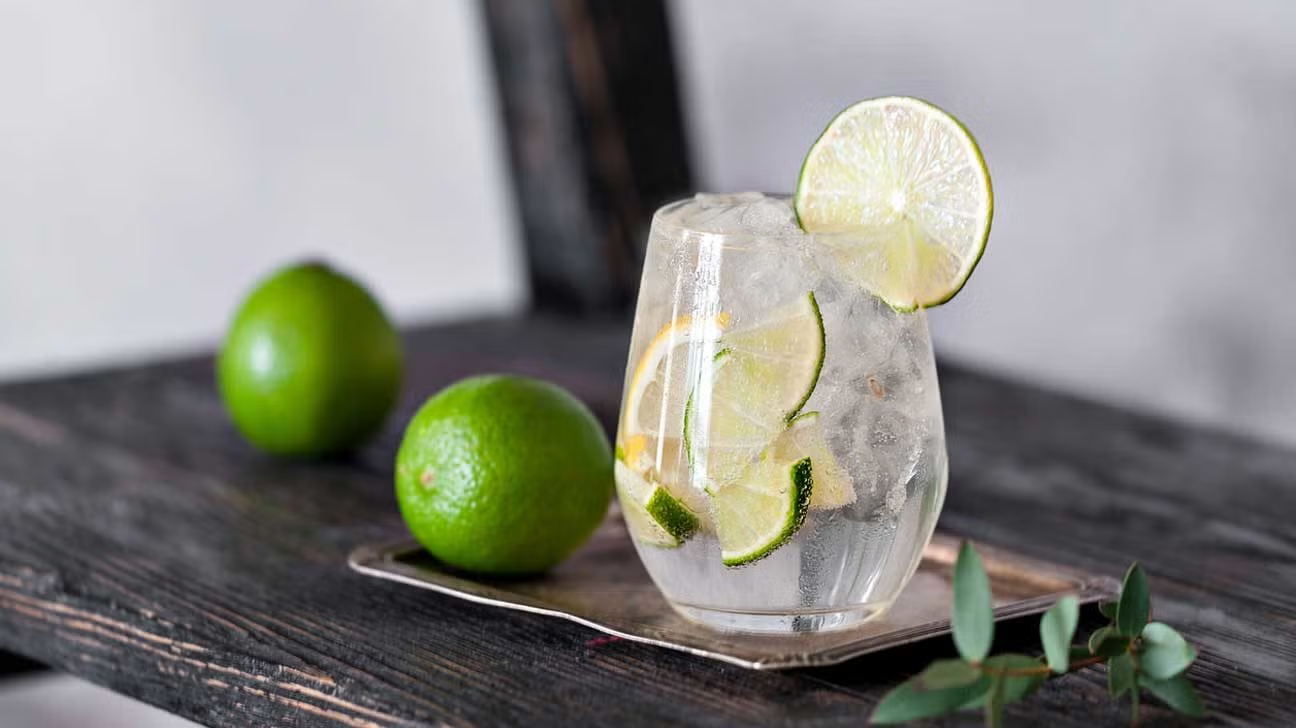
Have you ever grabbed a fizzy drink from the shelf and wondered, is there really a difference between seltzer and sparkling water? At first glance, both look like carbonated water in sleek bottles and cans. Yet, behind the bubbles lies a fascinating story of origin, taste, and even health perks. Knowing the distinction can help you choose the right one for hydration, cocktails, or simply your everyday refreshment.
What Is Seltzer?
Seltzer is essentially plain water with added carbonation. Carbon dioxide is artificially injected under pressure, creating that satisfying fizz. Unlike club soda, it doesn’t contain extra minerals or salts. This is the reason the flavor is fresh, clear, and mild.
The name seltzer actually comes from Niederselters, a German town famous for naturally carbonated mineral springs. Early exports from this region became so popular that the word stuck, eventually being used for artificially carbonated water in the United States.
Key characteristics of seltzer:
- Zero calories and sugar-free.
- Crisp, refreshing fizz without mineral aftertaste.
- Neutral flavor makes it ideal for mixing with juices or spirits.
- Widely available in cans and bottles at a lower price point.
Today, seltzer has become a staple in both households and bars. With the rise of flavored varieties like lime, berry, and grapefruit, it has also become a healthier alternative to sugary sodas.
What Is Sparkling Water?
Sparkling water, sometimes called mineral water, originates from natural springs that contain dissolved minerals. In many cases, these waters are naturally carbonated, though manufacturers may add extra carbonation to enhance the bubbles.
Unlike seltzer, sparkling water usually contains natural minerals like calcium, magnesium, and sodium, which subtly affect its taste. That’s why one brand of sparkling water can taste slightly salty while another feels smoother or more earthy.
Examples of popular sparkling water brands:
- Perrier – French brand with naturally carbonated water.
- San Pellegrino – Italian sparkling water with a mineral-rich profile.
- Gerolsteiner – German spring water with high calcium and magnesium levels.
The mineral content doesn’t just influence flavor—it also provides small but meaningful amounts of electrolytes that can help with hydration, especially after physical activity.
Seltzer vs Sparkling Water – The Key Differences
Now that we’ve defined both, let’s break down the core differences between seltzer and sparkling water.
Source of Carbonation
- Seltzer: Carbonation is added artificially in a controlled environment.
- Sparkling water: Has a rich flavor that comes from minerals found in nature, giving it a hint of saltiness or an earthy tone.
Taste & Flavor Notes
- Seltzer: Clean and neutral with no added minerals.
- Sparkling Water: Complex taste due to natural minerals, often slightly salty or earthy.
Nutrition & Health Aspects
- Both beverages are calorie-free, sugar-free, and hydrating.
- Sparkling water contains natural minerals, which may contribute to electrolyte balance.
- Seltzer provides hydration without altering mineral intake.
Debunking a common myth: Seltzer and sparkling water do not negatively affect bone health. Concerns about carbonation leaching calcium have been debunked. However, flavored varieties with citric acid may have a minor effect on tooth enamel if consumed excessively.
Price & Availability
- Seltzer: More affordable, widely sold in grocery stores, and available in countless flavored varieties.
- Sparkling Water: Usually marketed as premium due to its natural source and mineral content, which makes it pricier.
Comparing Seltzer, Sparkling Water, Club Soda, and Tonic Water
Confusion often arises because terms like club soda and tonic water are thrown into the same conversation. Here’s how they stack up:
| Beverage | Carbonation Source | Flavor Profile | Calories | Common Use |
| Seltzer | Artificial CO₂ | Clean, neutral | 0 | Everyday hydration, mixers |
| Sparkling Water | Natural + CO₂ | Mineral-rich, tangy | 0 | Premium hydration |
| Club Soda | Artificial + minerals | Slightly salty | 0 | Cocktails |
| Tonic Water | Artificial + quinine, sugar | Bitter, sweetened | 80–120 | Gin & tonic cocktails |
Key takeaway: If you want pure fizz, go with seltzer. If you enjoy mineral complexity, choose sparkling water. When mixed in cocktails, club soda adds to the flavor, while tonic introduces a blend of bitterness and sweetness.
Which One Should You Choose?
For Everyday Hydration
Sparkling water offers extra minerals, which may provide slight hydration benefits, especially if you sweat often or live in hot climates. However, seltzer is just as effective for staying hydrated throughout the day.
For Cocktails and Mixers
Seltzer shines here. Its mild flavor allows it to complement the taste of spirits and juices without overshadowing them.Bartenders often prefer it when mixing light cocktails.
For Budget-Friendly Choices
Seltzer usually costs less and is widely available in bulk. Sparkling water tends to be positioned as a premium product due to its origin and mineral composition.
Frequently Asked Questions about Seltzer vs Sparkling Water
- Is sparkling water healthier than seltzer?
Both are healthy, but sparkling water may offer extra minerals like calcium and magnesium. - Can seltzer replace regular water?
Yes, but plain water should still be your main source of hydration. Seltzer is best as a refreshing alternative. - Does sparkling water damage teeth?
Regular sparkling water is completely safe, but flavored options containing citric acid could, over time, slightly harm enamel. - Why is sparkling water more expensive?
Its price reflects the natural sourcing, bottling at mineral springs, and brand positioning as a premium beverage
Case Study: Why Consumers Prefer One Over the Other
A beverage market study conducted by IBISWorld found that Americans consumed nearly 170 million gallons of sparkling and seltzer water in 2022. Interestingly, the choice often comes down to lifestyle:
- Health-focused consumers prefer: sparkling water for its mineral content and natural source.
- Younger consumers and cocktail enthusiasts often choose seltzer for its affordability and versatility.
The rise of hard seltzers in the alcoholic beverage industry also shows how seltzer has carved its own identity in the modern drinks market.
Final Thoughts – Seltzer vs Sparkling Water
At the end of the day, both seltzer and sparkling water offer bubbly refreshment without the sugar or calories of soda. If you’re after a neutral, budget-friendly fizz, seltzer is the way to go. If you prefer subtle mineral notes and premium quality, sparkling water might win your heart.
No matter which one you choose, both options are healthier than soda and can easily become part of your daily hydration routine. So next time you’re standing in front of the beverage aisle, you’ll know exactly why one can costs a dollar and the other comes in a fancy glass bottle.








Leave a Reply