

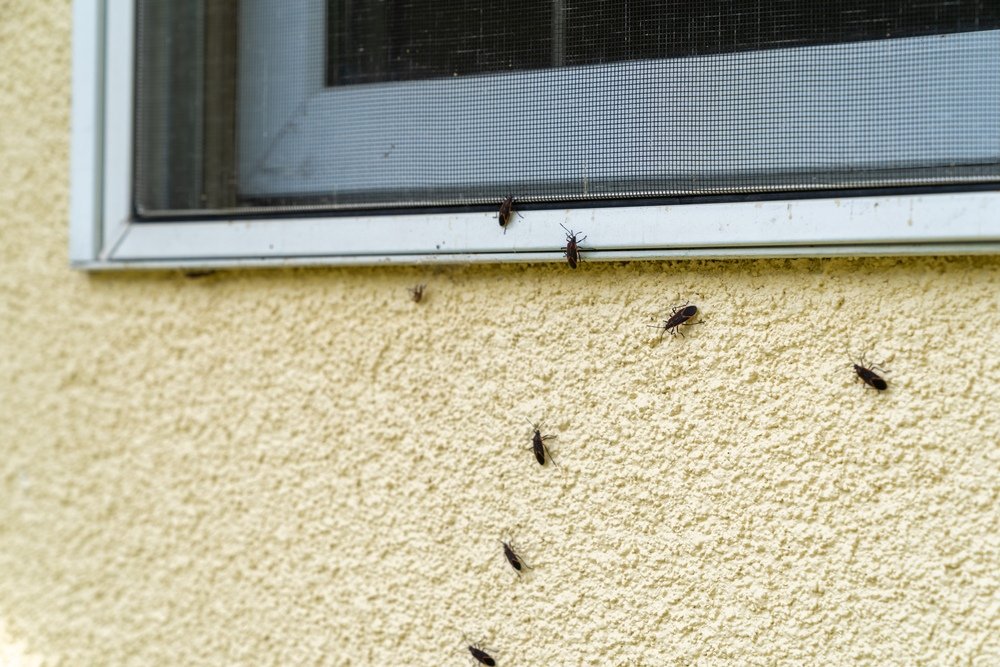
If you’ve ever noticed clusters of small, black-and-red insects gathering on the sunny side of your house in the fall, you’ve likely encountered boxelder bugs. These insects may not be as destructive as termites or carpenter ants, but they can quickly become a nuisance when they invade in large numbers. While they don’t bite or cause structural damage, they stain walls and fabrics with their droppings, emit an unpleasant odor when crushed, and can overwhelm your home if left unchecked. This guide explains how to get rid of boxelder bugs using a mix of prevention, natural remedies, and professional solutions.
What Are Boxelder Bugs?
Boxelder bugs, scientifically known as Boisea trivittata, are part of the true bug family. They’re easily recognized by their distinct black bodies marked with reddish-orange lines on their wings. Adult bugs grow to about half an inch, while the younger nymphs are bright red with black legs.
You’ll often spot them near boxelder trees, maple trees, and ash trees, since these serve as their primary food sources. During warmer months, they feed on seeds, leaves, and developing fruit. When temperatures drop, they begin looking for shelter, which often leads them inside homes, garages, and sheds.
Why Boxelder Bugs Are a Problem
At first glance, boxelder bugs may seem harmless. They don’t chew wood like termites, nor do they spread diseases like cockroaches. However, their sheer numbers can turn them into a serious problem.
- Seasonal infestations: They become especially active in the fall when they gather on warm, sunlit walls before squeezing into cracks to overwinter indoors.
- Damage and mess: While they don’t eat through furniture, their fecal matter leaves unsightly stains on walls, curtains, and upholstery.
- Odor issues: When crushed, they release a foul smell similar to stink bugs, making them unpleasant to deal with directly.
Fact Box
| Problem Caused by Boxelder Bugs | Impact |
| Fecal stains on walls/fabrics | Unsightly and hard to remove |
| Odor when squashed | Unpleasant in living spaces |
| Seasonal clustering | Creates stress and nuisance |
So while they may not destroy your home, their ability to invade in large swarms makes them pests you don’t want sticking around.
How to Keep Boxelder Bugs from Getting into Your House The best defense against these bugs is prevention. Stopping them before they enter is far easier than trying to control a full-blown indoor infestation.
Seal Entry Points
Boxelder bugs often squeeze through the smallest cracks. Inspect your home in early fall before they start seeking warmth.
- Apply caulk around windows, doors, and siding gaps.
- Replace worn weatherstripping on doors.
- Repair damaged window screens.
- Seal cracks in foundations and siding.
Even a small gap is an open invitation, so a thorough inspection is worth the effort.
Remove or Manage Boxelder Trees
If you have boxelder trees on or near your property, they act as a magnet. Removing female boxelder trees (the seed-bearing ones) is one of the most effective long-term strategies.
If tree removal isn’t an option, you can:
- Rake up fallen seeds regularly.
- Trim branches that touch or hang near your home.
- Avoid planting new boxelder or maple trees close to your property.
Outdoor Maintenance Tips
A clean yard makes your home less appealing to pests in general.
- Dispose of fallen leaves and seeds quickly.
- Keep firewood piles away from your house.
- Limit dense vegetation right next to the foundation.
Regular yard care is a simple way to make your property less attractive to boxelder bugs and other insects.
Natural Ways to Get Rid of Boxelder Bugs
Many homeowners prefer natural remedies before turning to chemicals. Luckily, boxelder bugs can often be controlled with simple, safe methods.
Soap and Water Spray
A mix of dish soap and water is highly effective. When sprayed directly, the soapy solution clogs the bugs’ breathing pores, killing them quickly.
How to use it:
- Mix two tablespoons of liquid dish soap with one quart of water.
- Pour into a spray bottle.
- Spray directly on clusters of bugs outdoors.
This method works well for visible groups, though it won’t prevent new ones from showing up.
Vacuuming Boxelder Bugs Indoors
If they’ve already entered, don’t squash them. Use a vacuum to remove them instead.
- Use a vacuum with a bag so you can dispose of them outdoors.
- Avoid crushing inside the machine to prevent odor buildup.
Vacuuming is fast, safe, and avoids the mess.
Essential Oils and Homemade Repellents
Some scents act as natural repellents. Peppermint oil, vinegar, and eucalyptus sprays can deter boxelder bugs from hanging around.
A homemade repellent can be made with:
- 10 drops of peppermint oil
- 2 cups of water
- 1 teaspoon of dish soap
Spray around windows, doors, and baseboards to discourage entry.
Chemical Solutions for Boxelder Bugs
Sometimes natural methods aren’t enough, especially if the infestation is severe. That’s when chemical treatments may come into play.
Insecticides and When to Use Them
Outdoor applications are the most effective. Apply insecticides in early fall before bugs attempt to move indoors. Look for products containing:
- Pyrethrin
- Permethrin
- Deltamethrin
These chemicals create a barrier on walls, siding, and entry points.Always adhere to the instructions on the label diligently to prevent causing harm to helpful insects. Professional Pest Control
If the problem persists year after year, calling professionals can save you time and frustration. They have access to stronger treatments and can apply them safely around your home.
How to Get Rid of Boxelder Bugs in Different Areas
Boxelder bugs don’t just stay on walls. They can sneak into multiple areas of your property. Here’s how to handle them in each spot:
Indoors
- Vacuum bugs from walls, windowsills, and basements.
- Seal gaps where electrical wiring enters.
- Use dehumidifiers to make spaces less hospitable.
Outdoors
- Spray soapy water directly on clusters on siding.
- Apply insecticide barriers along foundations.
- Trim vegetation touching exterior walls.
Cars, Garages, and Attics
- Keep garages free of clutter and seal door gaps.
- Store seasonal items in sealed plastic bins.
- Park vehicles away from infested trees when possible.
Long-Term Prevention Strategies
Dealing with boxelder bugs isn’t a one-time task. Consistency is key to keeping them away for good.
Seasonal Inspections
Check your home at the end of summer and early fall for cracks or gaps.
Annual Home Maintenance Checklist
- Inspect caulking and weatherstripping.
- Clear gutters and rooflines of debris.
- Trim nearby trees and bushes.
Landscaping Choices
Consider replacing boxelder or seed-bearing maple trees with other species less attractive to these pests. Shrubs and plants that don’t produce large seed clusters are safer bets.
Frequently Asked Questions About Boxelder Bugs
Do boxelder bugs bite?
No. They don’t bite humans or pets, though they can pierce fruit and seeds.
Can they damage my house?
Not structurally, but they do stain walls, fabrics, and furniture.
Why do they cluster on sunny walls?
They’re cold-blooded insects that rely on warmth, so they gather on sunlit surfaces in fall.
Are boxelder bugs the same as stink bugs?
No. While both are nuisance pests, stink bugs are larger, brown, and shaped differently.
Final Thoughts: Keeping Your Home Boxelder Bug-Free
Learning how to get rid of boxelder bugs means combining prevention, natural remedies, and chemical treatments when necessary. The key is consistency. Seal your home, maintain your yard, and tackle infestations early before they grow.
As pest control expert Dr. Thomas E. Miller once said, “Prevention is always more effective than cure when it comes to insect management.” By following the steps outlined here, you’ll protect your home from these unwelcome guests and enjoy a cleaner, bug-free environment.










Leave a Reply