

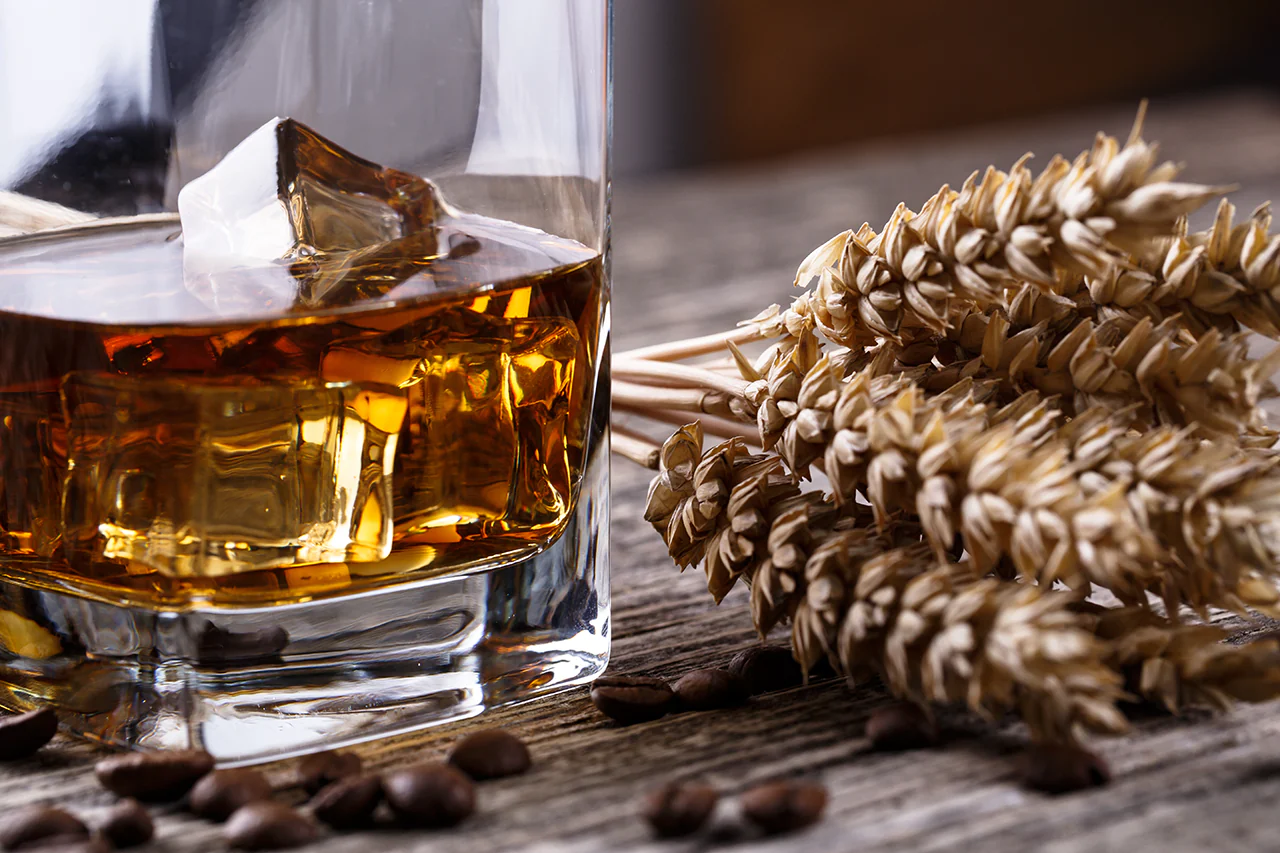
Whiskey lovers have long debated the nuances of rye vs bourbon. While they share similarities, these two American classics differ in origin, ingredients, taste, and even how they perform in cocktails. If you’ve ever stood at a bar or liquor store wondering which to pick, this guide breaks it down for you. We’ll explore history, legal definitions, flavors, health aspects, and the best ways to enjoy each spirit.
What is Rye Whiskey?
Rye whiskey is one of the oldest spirits in America, with roots tracing back to the late 1700s. Early settlers in Pennsylvania and Maryland began distilling rye because the grain grew well in the colder northeastern climate. It quickly became a favorite, particularly before Prohibition when rye dominated the whiskey market.
By law, rye whiskey in the United States must be made from a mash bill containing at least 51% rye grain. It must be distilled to no more than 160 proof and aged in new charred oak barrels at no more than 125 proof. These requirements shape the character of rye and give it the bold, spicy edge it’s known for.
Rye is often described as spicy, dry, and complex, with flavor notes that can include black pepper, clove, nutmeg, and herbal tones. This makes it stand out in cocktails and gives it a distinctive sharpness compared to smoother whiskeys.
What is Bourbon?
Bourbon holds a special place in American culture, often linked with Kentucky, though it can legally be made anywhere in the United States. The spirit became popular in the 19th century as corn farming expanded in the southern states. Corn’s natural sweetness shaped the flavor of bourbon, making it smoother and more approachable.
To legally qualify as bourbon, the mash bill must contain at least 51% corn. It must be distilled to no more than 160 proof, placed into new charred oak barrels at no more than 125 proof, and aged for a minimum of two years if labeled “straight bourbon.” No additives like flavoring or coloring are permitted.
The typical flavor profile of bourbon leans toward sweetness and richness, often with hints of caramel, vanilla, oak, and sometimes fruit or spice depending on the recipe. Its smoothness has helped bourbon become one of the most popular whiskeys in the world.
Rye vs Bourbon: Key Differences Explained
Although rye and bourbon share similarities in their production standards, their differences are significant enough to affect flavor, texture, and use.
Ingredients and Mash Bill
- Rye whiskey: At least 51% rye grain. The higher rye content imparts a spicy, peppery taste.
- Bourbon whiskey: At least 51% corn. Corn brings sweetness, making bourbon smooth and approachable.
- Other grains: Both may also include malted barley and wheat. Wheated bourbons, like Maker’s Mark, are softer, while high-rye bourbons bridge the gap between the two styles.
Distillation and Aging Process
Both must be distilled below 160 proof and aged in new charred oak barrels. However, climate influences aging. Kentucky’s hot summers and cold winters accelerate bourbon’s interaction with the barrel, pulling out caramel and vanilla flavors. Rye aged in northern climates often matures differently, with sharper spice retained.
Taste and Flavor Profile
- Rye: Bold, spicy, peppery, sometimes herbal. Best described as “dry.”
- Bourbon: Sweet, rich, smooth with notes of vanilla, caramel, and oak.
- Mouthfeel: Rye tends to feel sharper and leaner, while bourbon is rounder and fuller.
Price and Availability
- Bourbon is more widely produced, leading to better availability and a broader price range.
- Rye has grown in popularity over the past decade but is still less common, which can sometimes make it more expensive at the higher end.
Rye vs Bourbon Cocktails: Which to Choose?
The choice between rye and bourbon often comes down to the cocktail you’re mixing. The flavor differences play an important role in the balance of a drink.
Classic Rye Cocktails
- Manhattan: Rye balances the sweetness of vermouth, making for a sharper, spicier drink.
- Sazerac: A New Orleans staple that showcases rye’s bold flavors alongside absinthe and bitters.
- Old Pal: Combines rye with dry vermouth and Campari for a complex, bitter cocktail.
Classic Bourbon Cocktails
- Old Fashioned: Bourbon’s natural sweetness pairs beautifully with sugar and bitters.
- Mint Julep: Famous in Kentucky, this refreshing cocktail highlights bourbon’s smoothness.
- Whiskey Sour: Bourbon’s caramel and vanilla notes balance the tang of lemon and sugar.
Tip: Use rye if you want a cocktail with bite and complexity. Choose bourbon if you prefer smooth, sweet, and approachable drinks.
Health and Nutrition Considerations
Both rye and bourbon are distilled spirits with similar alcohol content, typically 40–50% ABV. Nutritionally, they don’t differ much, but small variations exist.
- Calories: About 70 calories per ounce for both.
- Carbohydrates: Virtually none due to distillation.
- Additives: Neither allows flavoring or coloring, unlike some other spirits.
While no whiskey should be considered “healthy,” moderation is key. Some people believe rye’s spicier nature makes it feel lighter, but this is subjective.
Rye vs Bourbon: Which One Should You Choose?
Your choice depends on what you enjoy and how you plan to drink it.
- For beginners: Bourbon’s sweetness makes it easier to sip neat or in cocktails.
- For experienced whiskey drinkers: Rye offers more complexity, spice, and bite.
- For cocktails: Pick rye if you want boldness (Manhattan, Sazerac). Choose bourbon if you want smooth balance (Old Fashioned, Mint Julep).
At the end of the day, there’s no wrong choice. Trying both side by side is the best way to discover your preference.
Rye vs Bourbon Chart (Quick Comparison)
| Feature | Rye Whiskey | Bourbon Whiskey |
| Main Grain | At least 51% rye | At least 51% corn |
| Flavor Profile | Spicy, dry, herbal | Sweet, smooth, vanilla, oak |
| Popular Cocktails | Manhattan, Sazerac | Old Fashioned, Mint Julep |
| Origin | Northeastern US traditions | Strong ties to Kentucky |
| Beginner Friendly? | Bold, complex, spicier taste | Smooth, sweeter, approachable |
FAQs About Rye vs Bourbon
Is rye stronger than bourbon?
Not in terms of alcohol, but rye tastes spicier and bolder, which some interpret as “stronger.”
Can you substitute rye for bourbon in cocktails?
Yes, but it will change the flavor. An Old Fashioned with rye is drier, while one with bourbon is sweeter.
Which ages better?
Both age well, but bourbon tends to pick up sweeter barrel flavors, while rye retains its spice.
Why is bourbon more popular?
Bourbon’s smoother profile appeals to more casual drinkers, and its strong Kentucky heritage has made it a global favorite.
Conclusion
The debate of rye vs bourbon doesn’t have a single winner. Each has unique strengths shaped by ingredients, history, and flavor. Bourbon offers smooth sweetness that appeals to many, while rye delivers spice and complexity that seasoned whiskey drinkers crave. Instead of choosing one forever, experiment. Try a Manhattan with rye, then an Old Fashioned with bourbon, and see which speaks to you. The best whiskey isn’t defined by rules—it’s the one you enjoy drinking.







Leave a Reply