

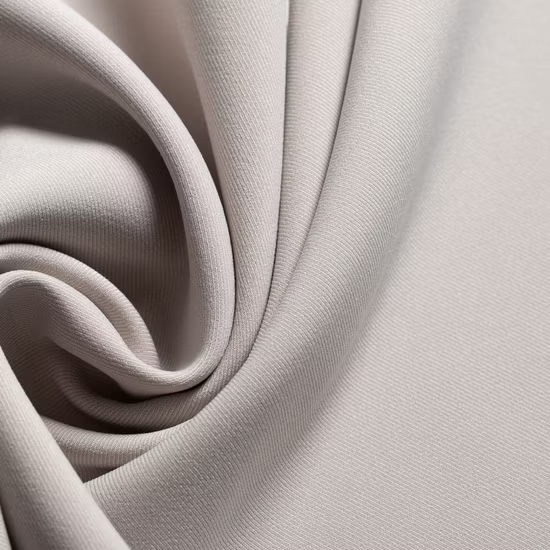
Polyester is everywhere. From your favorite workout leggings to the sofa cushions in your living room, this versatile fabric dominates the textile industry. But one question pops up repeatedly—is polyester stretchy? In brief, 100% polyester doesn’t have much natural stretch. However, when it’s blended with other fibers or knitted in certain ways, it can offer impressive flexibility.
This guide will explain how polyester works, the factors that influence its elasticity, how it stacks up against other materials, and when it is the best option to use. Let’s dive in.
What Is Polyester?
Polyester is a synthetic fiber first introduced in the 1940s and popularized in the 1970s. It’s made from petroleum-based polymers, most often polyethylene terephthalate (PET). Chemists create polyester by combining alcohol and acid, producing long molecular chains. These chains form fibers that are then woven or knitted into fabric.
Because it’s man-made, polyester doesn’t have the natural give that plant-based or animal-based fibers like cotton or wool might. Instead, it’s valued for qualities such as:
- Durability – it resists tearing and abrasion.
- Wrinkle resistance – it stays neat without ironing.
- Moisture resistance – it dries quickly compared to cotton.
- Affordability – it’s cheaper than many natural alternatives.
That said, polyester’s basic structure influences whether it stretches—and that’s where things get interesting.
Is Polyester Naturally Stretchy?
On its own, polyester is not highly elastic. Its fibers are strong and tightly structured, which makes them resist pulling and snapping back. That’s why a 100% polyester shirt often feels stiff compared to a cotton or spandex version.
Here’s how polyester compares with other common fabrics in terms of stretch:
| Fiber Type | Natural Stretchability | Comfort Level | Common Uses |
| Polyester | Low | Moderate | Sportswear, upholstery, t-shirts |
| Cotton | Medium (loosens over time) | High | Everyday wear, bedding |
| Wool | Medium-High | High | Sweaters, coats, suits |
| Nylon | Medium-High | High | Swimwear, hosiery, outdoor gear |
| Spandex/Elastane | Very High | Very High | Leggings, activewear, undergarments |
As the table shows, polyester sits on the low end of natural stretchiness. However, technology and blending have made polyester more adaptable than it once was.
What Makes Polyester Stretchy?
If pure polyester doesn’t stretch much, why do some polyester clothes feel flexible? The solution can be found in how the fabric is made and mixed.
- Blends with elastic fibers
- Polyester mixed with spandex (elastane) is a game-changer. A small percentage of spandex—sometimes just 5–10%—can turn rigid polyester into a fabric with excellent stretch and recovery. That’s why you’ll find polyester-spandex blends in leggings, yoga pants, and swimwear.
- Knitting vs weaving
- The way fibers are assembled matters. Knitted polyester fabrics (like jersey knits) naturally stretch more than woven polyester fabrics (like canvas or satin). By knitting, the fibers can stretch and shrink, which provides flexibility.
- Mechanical stretch treatments
- Manufacturers can apply heat-setting and other treatments that add a bit of give to polyester without using blends. While not as effective as spandex, these methods still enhance comfort.
So, while pure polyester isn’t naturally stretchy, its versatility in blending and processing makes it far more flexible than it used to be.
How Stretchy Is Polyester Compared to Other Fabrics?
Let’s line it up against competitors:
- Polyester vs Spandex: No contest. Spandex is the ultimate material for elasticity, stretching anywhere from 5 to 8 times beyond its initial length. Polyester can’t match this unless blended.
- Nylon is gentler to the touch and offers greater flexibility than polyester. However, polyester is more resistant to wrinkles and sunlight damage.
- Polyester vs Cotton: Cotton has natural give and becomes looser over time, but it doesn’t snap back like polyester blends.
Here’s a quick rundown:
- High stretch: Spandex, elastane
- Medium stretch: Nylon, cotton, wool
- Low stretch: Polyester (unless blended or knitted)
This hierarchy shows that polyester alone isn’t ideal when stretch is a priority, but blends and knits change the game.
Benefits of Stretchy Polyester Fabrics
Why do so many brands use polyester blends instead of sticking with spandex or cotton alone? It’s because stretchy polyester fabrics offer a sweet spot of durability and flexibility.
Key benefits include:
- Ease and adaptability – Fabrics that stretch enable free movement, making them ideal for sports and active living.
- Shape retention – Unlike cotton, which bags out after wear, polyester maintains its shape.
- Wrinkle resistance – You don’t need to iron polyester-blend leggings after washing.
- Durability – Resistant to shrinking, fading, and tearing.
- Moisture-wicking – Especially when engineered, polyester pulls sweat away from the skin and dries quickly.
This balance explains why stretchy polyester dominates gym wear, sports jerseys, and performance apparel.
Downsides of Polyester Stretch
No fabric is perfect, and stretchy polyester has its shortcomings. Some of the most common complaints include:
- Breathability issues – It doesn’t breathe as well as cotton or linen, which can trap heat.
- Skin feel – Some people find polyester less soft or natural against the skin.
- Odor retention – Polyester can hold onto smells if not washed properly.
- Pilling – Over time, friction can cause small fabric balls to form.
These disadvantages make polyester less appealing for hot climates or sensitive skin, but blending it with natural fibers can offset many of these problems.
Best Uses for Stretchy Polyester
Stretchy polyester has found its way into dozens of industries, but it shines most in activewear and outdoor gear.
- Sportswear and gym outfits – Leggings, cycling shorts, and jerseys use polyester-spandex blends for movement and sweat control.
- Swimwear – Stretchy polyester is resistant to chlorine and dries fast.
- Everyday clothing – T-shirts, blouses, and dresses often include polyester blends for wrinkle-free wear.
- Upholstery and outdoor gear – Flexible polyester fabrics resist sun damage and wear.
Case Study: Nike and Adidas
Both brands rely heavily on polyester blends for their performance lines. A typical pair of Adidas leggings, for instance, may contain 88% polyester and 12% elastane. This mix provides:
- Stretch for workouts.
- Shape retention after multiple washes.
- Sweat-wicking ability for performance.
It’s not just about elasticity; it’s about balancing comfort, durability, and performance.
How to Care for Stretchy Polyester Fabrics
Stretchy fabrics need special care if you want them to last. Polyester is resilient, but improper handling can ruin its stretch.
Tips to extend fabric life:
- Clean with cold water – Using hot water may damage fibers and lessen their elasticity.
- Use mild detergent – Harsh chemicals wear out fabric blends faster.
- Allow it to air dry or opt for a tumble dryer set to low heat, as high temperatures can damage the polyester’s structure.
- Avoid fabric softeners – They coat fibers and reduce moisture-wicking ability.
- Iron on low – Excess heat can damage elasticity, so only use a cool setting.
By following these steps, you’ll preserve the stretch, shape, and color of polyester-based garments.
FAQs About Polyester Stretch
Does polyester stretch over time?
Pure polyester doesn’t stretch much with wear. Blends with spandex, however, maintain elasticity over time without sagging.
Can polyester shrink?
Yes, under high heat, polyester can shrink slightly. Always wash and dry on low settings to avoid this.
Is polyester stretchy when wet?
Unlike wool, polyester does not stretch when it gets wet.It tends to keep its structure.
Is polyester good for hot weather?
Not always. It’s less breathable than cotton or linen, though moisture-wicking versions perform well for athletic use.
Final Thoughts — Is Polyester Stretchy?
So, is polyester stretchy? The answer depends on how it’s made. Pure polyester is not very elastic, but when blended with spandex or knitted differently, it can offer excellent flexibility. That’s why you’ll find polyester in everything from t-shirts to yoga pants to outdoor furniture.
The bottom line:
- Choose polyester blends for activewear and stretch needs.
- Choose 100% polyester if you want something that lasts, doesn’t wrinkle easily, and dries fast.
- Always check care labels to extend fabric life.
Polyester’s adaptability explains why it remains one of the world’s most popular fabrics. With the right blend, it’s not only durable and affordable—it can also move with you in comfort.












Leave a Reply