

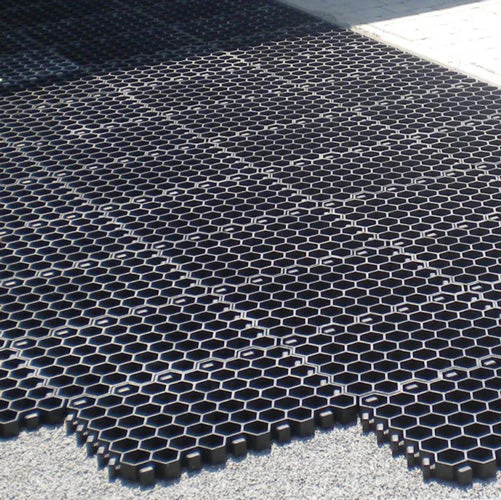
A comfortable, clean, and safe stable isn’t just a luxury; it’s a necessity for a horse’s well-being. One of the most effective ways to achieve that is by using rubber horse stall matting. It’s the secret behind spotless stalls, reduced bedding costs, and happier, healthier horses. Whether you manage a professional equestrian facility or a cozy backyard barn, understanding the right flooring choice can make all the difference.
What Is Rubber Horse Stall Matting?
Rubber stall mats are durable, cushioned flooring panels placed inside horse stalls to provide comfort, traction, and hygiene. They typically replace bare concrete, dirt, or gravel floors, which can be hard, uneven, and difficult to clean. Most mats are made from recycled vulcanized rubber, the same material used in heavy-duty tires, making them both resilient and eco-friendly.
Here’s a quick look at the main materials used:
| Material Type | Description | Key Benefit |
| Recycled Rubber | Made from repurposed tires | Eco-friendly and affordable |
| Vulcanized Rubber | Heat-treated rubber for density and strength | Extremely durable |
| EVA Foam Rubber | Lightweight foam composite | Softer and easier to install |
These mats create a protective barrier between your horse and the hard ground below, offering both comfort and stability.
Why Every Stable Needs Rubber Stall Mats
Benefits for Horses
Horses spend a significant portion of their lives standing or lying in stalls. Without proper flooring, this constant pressure can lead to joint pain, hoof damage, and stress injuries. Rubber mats act as shock absorbers, easing the strain on joints and tendons.
Top benefits include:
- Enhanced comfort for standing, lying, and rolling
- Reduced risk of injury from slips or hard landings
- Better insulation against cold concrete floors
- Cleaner environment with improved drainage and hygiene
Benefits for Owners and Stable Managers
For you, stall mats simplify life dramatically. Cleaning becomes faster, bedding lasts longer, and overall maintenance costs drop.
Owner benefits:
- Easier mucking and daily cleaning
- Up to 40% less bedding usage
- Improved traction for both horses and handlers
- Long lifespan — quality mats can last over 15 years
Case Study:
A boarding stable in Kentucky replaced its dirt floors with interlocking rubber mats. Within two months, bedding costs fell by 38%, horses developed fewer hock sores, and cleaning time dropped by half. The mats paid for themselves in under a year.
Types of Rubber Horse Stall Matting
Choosing the right type depends on your stable layout, budget, and maintenance preferences.
Interlocking Rubber Mats
These mats fit together like puzzle pieces, creating a snug, stable surface that resists shifting. They’re great for small and medium-sized stables because they stay in place even under active horses.
Advantages:
- Seamless installation
- No adhesives needed
- Easy to remove and clean individually
Straight-Edge Rubber Mats
Straight-edge mats are rectangular pieces laid side by side. They’re simple to replace but may need sealing to prevent movement.
Advantages:
- Lower upfront cost
- Easy to install and replace
- Perfect for large barns with multiple stalls
Rolled Rubber Flooring
Sold in long rolls, this style covers large areas with minimal seams. It’s ideal for wash bays, grooming areas, and training arenas.
Advantages:
- Fewer seams, less dirt buildup
- Smooth, professional look
- Custom lengths available
| Type | Best For | Pros | Cons |
| Interlocking Mats | Small stables | Secure fit, durable | Higher cost per mat |
| Straight-Edge Mats | Large barns | Affordable, simple setup | May shift over time |
| Rolled Rubber | Arenas, grooming bays | Continuous coverage | Heavier to install |
How to Choose the Best Rubber Stall Mats
The best stall matting balances comfort, durability, and practicality. Here’s what to look for:
- Thickness
Common options range from ⅜” to ¾”. Thicker mats offer better cushioning but weigh more. For horses that stand long hours, ¾” is ideal. - Surface Texture
Diamond plate textures add grip, while smooth surfaces are easier to clean. Choose based on your horse’s activity level. - Density and Shock Absorption
Denser mats resist indentation and shifting, providing stability for heavy horses. - Drainage and Moisture Resistance
Look for mats with slight grooving or drainage channels underneath to prevent water accumulation.
Eco-Friendly and Recycled Options
Recycled rubber mats are not only economical but also reduce landfill waste. Many modern mats are made from upcycled vehicle tires, giving them incredible resilience. They’re also less likely to emit chemical odors, making them safer for enclosed barns.
Cost Breakdown
| Quality Level | Price Range (per sq. ft.) | Expected Lifespan | Ideal For |
| Budget | $2 – $3 | 5–7 years | Small private stables |
| Mid-Range | $3 – $5 | 10–12 years | Boarding barns |
| Premium | $6 – $8 | 15+ years | Professional facilities |
While the initial investment can be significant, the long-term savings on bedding and labor quickly balance it out.
Installation Guide — Step-by-Step
Proper installation ensures your mats stay level and odor-free for years.
The Step 1: Prepare the Base
- Start with a level, compacted surface such as crushed limestone or concrete.
- Ensure it drains well; trapped moisture can cause odor or bacteria buildup.
A Step 2: Measure and Cut
- Measure your stall carefully.
- Cut mats to fit using a sharp utility knife and straight edge.
Step 3: Fit and Seal
- Lay the mats tightly together.
- Interlock edges or use rubber sealant for straight-edge types.
- Check there are no gaps where manure or urine could seep underneath.
Tools Needed
- Measuring tape
- Utility knife
- Rubber mallet
- Level
- Straight edge
Diagram Example:
Imagine a 12×12 stall with six 4×6 mats arranged in two rows of three. The seams alternate like bricks, minimizing shifting.
Maintenance Tips for Rubber Horse Stall Matting
A clean stall keeps your horse healthier and your mats lasting longer.
Daily Cleaning
- Remove manure and wet bedding using a fork or shovel.
- Sweep or squeegee away excess moisture.
Deep Cleaning
- Once a month, remove mats if possible and clean underneath.
- Rinse with mild detergent and water.
- Dry completely before reinstalling.
Preventing Odor
- Sprinkle baking soda or use specialized stall deodorizers beneath mats.
- Ensure proper ventilation to prevent moisture buildup.
“Clean mats aren’t just about looks. They protect your horse’s hooves and respiratory health.” — Equine Facility Manager, Ontario
Common Mistakes to Avoid
Even quality mats can fail if installed or maintained incorrectly. Avoid these pitfalls:
- Using low-density mats that wear out quickly
- Skipping base leveling before installation
- Allowing moisture to collect underneath
- Forgetting to seal gaps or trim edges
A little attention during setup prevents long-term frustration and costly repairs.
Real-World Case Studies
Case 1: The Show Barn Upgrade
A professional show barn in Texas switched from concrete to high-density rubber flooring. Horses began resting more, leg swelling decreased, and stable odor dropped drastically.
Case 2: The Training Center Transformation
A California training facility upgraded 20 stalls with interlocking mats. Cleaning time fell by 30%, and bedding expenses dropped by nearly half in the first year.
Case 3: The Backyard Success Story
A small family stable installed recycled rubber mats purchased locally. The result? A safer environment, less mud, and an easier cleaning routine—all under a $1,000 budget.
FAQs About Stall Matting
Q: How long do stall mats last?
A: With proper care, most quality mats the last 10–20 years.
Q: Are rubber mats safe for foals or older horses?
A: Yes, the non-slip surface provides excellent traction for all ages.
Q: Can they be used outdoors or in wash bays?
A: Absolutely, just ensure good drainage and secure edges.
Q: How do I replace a damaged mat?
A: Lift the old mat, clean the area, and insert a new one of the same dimensions.
Where to Buy Quality Stall Mats
When shopping, choose reputable equine flooring suppliers that specialize in stable-grade rubber. Some top-rated options include:
- Tractor Supply Co.
- Rubber-Cal
- HorseMats USA
Compare thickness, warranty, and a customer reviews before purchasing. Many online suppliers offer free shipping for bulk orders or custom-cut sizes.
Final Thoughts — Why Stall Matting Is Worth the Investment
In the end, the right a flooring is more than just a convenience—it’s a cornerstone of equine health and safety. High-quality rubber stall mats cushion your horse’s joints, simplify your cleaning routine, and save you money in the long run. A cleaner, drier, and safer stall leads to calmer, happier horses and less stress for you.
So if your stable a floors are uneven, hard, or difficult to maintain, it’s time to upgrade. Rubber horse stall matting delivers long-lasting comfort, efficiency, and peace of mind—everything your horses deser












Leave a Reply