

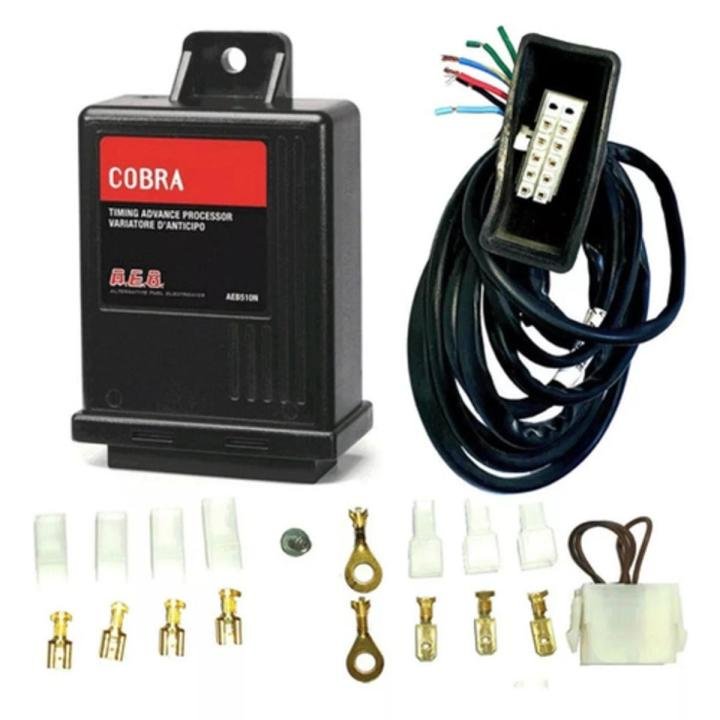
Engines are at the heart of every vehicle, but not all fuels burn the same way. When you switch from petrol to compressed natural gas (CNG) or liquefied petroleum gas (LPG), your engine’s ignition timing often needs adjustment. That’s where a timing advance processor (TAP) steps in. It ensures smooth combustion, better mileage, and overall performance.
This guide dives deep into what a timing advance processor is, how it works, and why it matters. Whether you’re a car enthusiast, a mechanic, or someone running a CNG/LPG-powered vehicle, you’ll find everything you need to know right here.
Understanding Ignition Timing
Ignition timing is the precise moment that the spark plug ignites in connection with the position of the piston within the cylinder. Too early or too late, and the engine won’t perform as it should.
- Advanced timing means the spark occurs earlier in the compression stroke. This can boost power but may cause knocking if not controlled.
- Retarded timing means the spark fires later. This reduces knocking but lowers efficiency.
Here’s how ignition timing impacts engine behavior:
| Timing Condition | Result on Engine | Common Effects |
| Too Advanced | High power, risk of knocking | Engine damage, overheating |
| Too Retarded | Lower power, smooth running | Poor fuel economy, sluggish performance |
| Optimized (with TAP) | Balanced power and economy | Smooth ride, reduced knocking |
In vehicles running on alternative fuels like LPG and CNG, ignition timing needs precise adjustment because these fuels ignite differently from petrol.
What is a Timing Advance Processor?
A timing advance processor is a small electronic device located between a vehicle’s ignition system and its ECU.Its job is to slightly advance the ignition spark so that combustion happens at the right time for fuels like CNG and LPG.
The unit typically includes:
- A microchip or processing circuit
- Wiring harness connectors
- Adjustment controls or software calibration options
In simple terms: without TAP, CNG or LPG vehicles often suffer from weak acceleration, reduced mileage, and rough idling. With TAP, the spark is advanced just enough to make combustion efficient again.
How Does a Timing Advance Processor Work?
The processor works by intercepting signals from the crankshaft or camshaft sensor. Here’s the process:
- The position of the piston is indicated by a signal sent to the ECU from the sensor.
- The TAP intercepts this signal.
- It advances the timing slightly—usually a few degrees.
- The modified signal reaches the ECU.
- The ECU fires the spark plug earlier than it normally would.
Digital versions of timing advance processors provide more precise control, while older analog models rely on fixed values.
Example: A CNG-powered Toyota Corolla might experience sluggish acceleration without TAP. After installation, the throttle response improves, and knocking disappears because the spark now aligns better with fuel combustion.
Benefits of Using a Timing Advance Processor
Improved Fuel Economy
CNG and LPG often burn slower than petrol. By advancing ignition, TAP ensures complete combustion, reducing wasted fuel. Studies show drivers can save up to 10–15% in fuel consumption after proper installation.
Enhanced Engine Performance
Drivers often notice smoother acceleration, faster pickup, and improved top-end performance. City driving becomes less jerky, and highway overtakes feel effortless.
Reduced Engine Knocking
Knocking or detonation can seriously damage pistons and valves. TAP reduces this by aligning spark timing with fuel burn characteristics.
Lower Emissions
Optimized combustion means fewer unburnt hydrocarbons and reduced CO2. This helps vehicles meet stricter emission standards and reduces environmental impact.
Timing Advance Processor in CNG and LPG Vehicles
Alternative fuels require different handling compared to petrol. For instance, CNG has a higher octane rating, meaning it resists knocking but burns slower. A TAP compensates for this delay.
| Vehicle Condition | Without TAP | With TAP Installed |
| Fuel Economy | 8–10 km/kg (CNG) | 10–12 km/kg (CNG) |
| Engine Response | Sluggish, delayed throttle | Smooth, quick response |
| Knocking Issues | Frequent under load | Rare to none |
| Emissions | Higher | Lower, cleaner exhaust |
Case study: A fleet of delivery vans converted to CNG showed a 20% drop in operating costs after TAP installation, thanks to lower fuel consumption and reduced engine wear.
Installation of a Timing Advance Processor
Tools and Preparation
- Screwdrivers and pliers
- Wiring diagram of the vehicle
- Insulation tape
- Safety gloves
Step-by-Step Installation Process
- Disconnect the car battery.
- Locate the ignition sensor wiring harness.
- Connect the TAP between the sensor and ECU.
- Secure the unit in a safe location inside the engine bay.
- Reconnect the battery and start the car.
- Fine-tune if necessary using adjustment controls.
Professional vs. DIY Installation
- Professional: Safer, comes with warranty, ensures correct calibration.
- DIY: Cheaper but risky if wiring mistakes occur.
Common Issues and Troubleshooting with Timing Advance Processor
Even reliable devices can run into problems. Here’s a quick guide:
| Symptom | Possible Cause | Solution |
| Engine won’t start | Loose wiring | Recheck connections |
| Rough idle | Incorrect calibration | Adjust timing settings |
| Warning lights on dash | ECU miscommunication | Reset ECU, check TAP wires |
| Loss of power | Faulty processor unit | Replace TAP |
Routine checks every 6–12 months can prevent most of these issues.
Choosing the Best Timing Advance Processor
Key Features to Look For
- Vehicle compatibility (petrol, CNG, LPG, hybrid setups)
- Adjustable timing range
- Build quality (heat resistance, waterproof casing)
- Warranty and after-sales support
Popular Brands and Models
Some well-regarded manufacturers include:
- AEB Italy – Known for digital TAPs with advanced calibration
- Lovato – Popular in LPG/CNG kits
- BRC – High-quality models for European vehicles
Customer reviews often highlight smoother engine response and long-term durability with premium models.
Cost of a Timing Advance Processor
The cost varies depending on brand and features.
| Region | Average Price (USD) | Installation Cost |
| Asia | $40–$70 | $20–$40 |
| Europe | $80–$120 | $50–$100 |
| North America | $100–$150 | $60–$120 |
Although the upfront price may seem high, most users recover the investment within months due to fuel savings.
FAQs About Timing Advance Processors
Do I need a TAP for petrol-only cars?
No, TAP is primarily for vehicles running on CNG or LPG. Petrol engines usually have optimized factory timing.
Will a TAP void my warranty?
If installed professionally, many brands ensure warranty remains intact. Check with your dealer before installation.
Can TAP be used with turbocharged engines?
Yes, but calibration must be done carefully to avoid detonation.
How long does a TAP last?
If it is installed and maintained correctly, its lifespan can be between 5 to 8 years.
Conclusion – Is a Timing Advance Processor Worth It?
A timing advance processor might be a small device, but it makes a big difference. From improved mileage to smoother acceleration and lower emissions, the benefits are clear. For drivers using CNG or LPG, it’s almost essential. Even for performance enthusiasts, a TAP can unlock hidden potential while keeping the engine safe.
If you value better fuel economy, reduced knocking, and a greener drive, then installing a timing advance processor is one upgrade you won’t regret.











Leave a Reply