

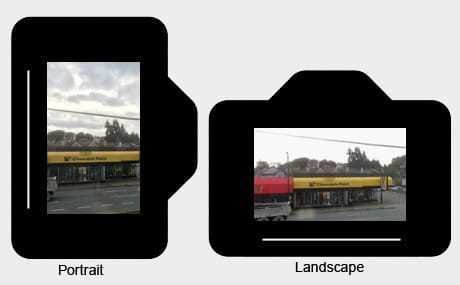
Orientation plays a bigger role in photography, design, and media than most people realize. The choice between landscape orientation and portrait orientation can change how a photo, video, or piece of content feels to the audience. It’s not just about the size of the frame—it’s about the story you want to tell.
This guide breaks down the differences between landscape vs portrait, shows where each style works best, and gives practical tips to help you decide which orientation fits your creative goals.
What is Landscape Orientation?
Landscape orientation describes a format that is broader than it is high. Think of it as a horizontal canvas that stretches across your field of vision. Because human eyes naturally scan side to side more than up and down, this layout feels balanced and comfortable.
Where You See It Most:
- Photography: landscapes, group photos, wide architectural shots.
- Screens: televisions, computer monitors, and most camera viewfinders.
- Design: presentations, slideshows, and panoramic images.
Advantages of Landscape Orientation:
- Captures expansive views like beaches, mountains, or city skylines.
- The wide framing offers a feeling of peace and stability.
- Works perfectly for visual storytelling in video and photography.
Limitations of Landscape Orientation:
- Struggles with tall subjects such as skyscrapers or single standing figures.
- Doesn’t always translate well on mobile screens, where vertical viewing dominates.
Think of landscape orientation like a theater stage—you see the full set, but details in height may not get the spotlight.
What is Portrait Orientation?
In portrait orientation, the frame is turned vertically, which results in it being taller than it is wide. This style focuses attention on the subject rather than the background.
Where You See It Most:
- Photography: portraits of people, pets, and vertical subjects.
- Print Media: posters, flyers, and book pages.
- Digital Media: mobile phone screens, Instagram Stories, Tik Tok, and Reels.
Advantages of Portrait Orientation:
- Perfect for highlighting one subject with strong vertical presence.
- It creates a close and personal atmosphere, guiding the gaze both upwards and downwards.
- Works well with scrolling behavior on smartphones.
Limitations of Portrait Orientation:
- Can feel cramped when shooting wide scenes like beaches or stadiums.
- Less effective on platforms designed for wide displays such as televisions or YouTube.
Portrait orientation is like a spotlight on stage—it directs attention to one person or object, leaving everything else in the shadows.
Landscape vs Portrait – Key Differences
Here’s a quick comparison of the two orientations:
| Feature | Landscape Orientation | Portrait Orientation |
| Shape | Horizontal (wide) | Vertical (tall) |
| Best For | Wide views, groups, video | Portraits, documents, social media |
| Visual Effect | Balanced, spacious | Focused, intimate |
| Device Fit | TVs, monitors, slides | Smartphones, posters |
| Weakness | Tall objects look small | Wide scenes feel cropped |
The choice isn’t about which is “better.” It’s about what suits the subject and the platform. The landscape format evokes a feeling of space and liberation, while the portrait format conveys a sense of closeness and focus.
When to Use Landscape Orientation in Photography
Landscape orientation shines when you need to capture breadth and scale. Some common scenarios include:
- Travel Photography: sunsets over oceans, mountain ranges, or rolling hills.
- Event Photography: large gatherings like concerts, sports events, or weddings.
- Architecture: wide shots of city skylines, bridges, or entire buildings.
Case Study: National Geographic photographers often rely on landscape framing to showcase the grandeur of natural environments. The wide canvas allows them to highlight both subject and setting without sacrificing scale.
When to Use Portrait Orientation in Photography
Portrait orientation emphasizes depth and focus. It’s the go-to choice when you want the viewer to connect directly with the subject.
- Portrait Photography: headshots, fashion shoots, and editorial profiles.
- Street Photography: capturing tall buildings, lampposts, or single individuals.
- Mobile Photography: designed to match the natural hold of smartphones.
Case Study: Instagram influencers often favor portrait shots because they fill the phone screen, creating a stronger impression. A vertical frame makes the subject feel larger than life when scrolling through a feed.
Landscape vs Portrait in Design and Media
Orientation isn’t just a photography decision—it affects web design, video creation, and print layouts.
Web and Graphic Design:
- Landscape: Ideal for banners, headers, and hero images.
- Portrait: Better for infographics, posters, and vertical advertisements.
Video Content:
- YouTube & Films: Prioritize horizontal orientation for widescreen viewing.
- Social Media Platforms (Tik Tok, Instagram Reels, YouTube Shorts): Vertical orientation dominates since most users hold their phones upright.
Print Materials:
- Landscape: Magazines often use double-page landscape spreads for dramatic impact.
- Portrait: Posters, book covers, and official documents lean vertical to maintain readability.
Quick Fact: According to Statista, over 70% of video views come from mobile devices, which explains why vertical video continues to surge in popularity.
Choosing the Right Orientation – Practical Tips
Here’s how to decide between the two orientations:
- Consider Your Subject:
- Wide subjects like landscapes or large groups → Landscape.
- Tall subjects like towers or individuals → Portrait.
- Think About the Platform:
- YouTube, presentations, and slides → Landscape.
- Instagram Stories, Tik Tok, and mobile ads → Portrait.
- Match Your Message:
- Landscape communicates openness and space.
- Portrait conveys intimacy and focus.
- Be Flexible: Many professionals shoot both orientations, giving them options for different uses later.
Frequently Asked Questions
Is landscape better than portrait?
Neither is universally better. Landscape suits wide subjects and screens, while portrait excels with single subjects and mobile platforms.
Why is portrait called portrait?
The name comes from traditional portrait paintings, which were usually done on vertical canvases to capture the full figure of a person.
Can I change orientation after shooting?
Yes, but cropping may reduce quality. It’s always best to frame your shot intentionally in the right orientation from the start.
What’s the best orientation for social media?
For feed posts, both work. But vertical orientation is ideal for Stories, Reels, and Tik Tok since it fills the entire mobile screen.
Conclusion
The landscape vs portrait debate isn’t about right or wrong—it’s about storytelling. Each orientation carries its own strengths and weaknesses. Landscape orientation captures wide, balanced scenes, while portrait orientation emphasizes intimacy and focus.
When choosing between them, consider the subject, platform, and emotional effect you want. A breathtaking sunset might demand a horizontal view, while a close-up portrait shines in vertical framing.
The best creators master both, switching seamlessly between the two to match context. So next time you pick up your camera or design a project, think about how the frame itself tells part of the story.








Leave a Reply