

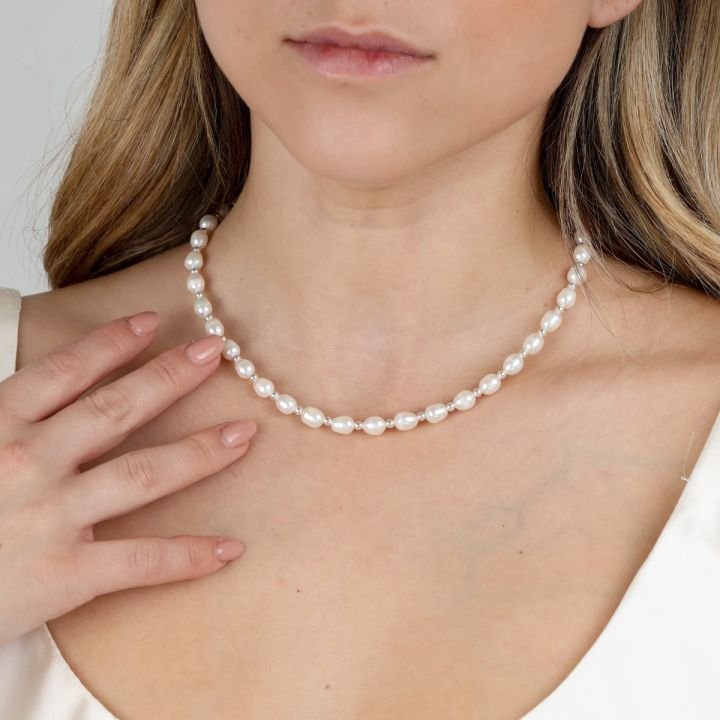
Pearls have captivated people for thousands of years. Their soft glow, natural rarity, and enduring beauty make them far more than just jewelry. When you see someone wearing a strand of pearls, it’s not just an accessory—it often carries a deeper story. From ancient civilizations to modern-day runways, the pearl necklace meaning has evolved but never lost its charm.
This guide explores the history, symbolism, cultural significance, and spiritual interpretations behind pearl necklaces. You’ll also discover how different types of pearls reflect unique meanings and why this timeless piece remains one of the most treasured accessories in the world.
Introduction – Why the Meaning of a Pearl Necklace Matters
A necklace of pearls is never just about adornment. It represents tradition, elegance, and values carried across centuries. Brides wear pearls for purity, queens wore them for power, and today, fashion icons wear them for sophistication. Understanding the meaning of a pearl necklace helps you appreciate why it continues to be gifted at milestones, passed down as heirlooms, and cherished as symbols of love and resilience.
The Historical Pearl Necklace Meaning
Ancient Civilizations and Early Beliefs
Pearls are among the earliest gems discovered by humans, long before mining and cutting gemstones became common. In ancient China, pearls symbolized wisdom and were believed to protect against fire and evil spirits. Egyptians prized them so highly that Cleopatra is said to have dissolved a pearl in vinegar and consumed it, proving her wealth and power. In Rome, pearls were the ultimate status symbol; only the elite could afford them, and laws restricted their use to the upper classes.
Medieval and Renaissance Europe
During the Middle Ages, pearls symbolized virtue and were associated with the Virgin Mary. Monarchs and clergy wore pearls as signs of moral authority. In Renaissance Europe, paintings often showed queens and noblewomen draped in pearl necklaces, reinforcing their role as markers of wealth and nobility.
Eastern Traditions and Symbolism
In Hindu culture, pearls were linked with the moon, purity, and spiritual awakening. Buddhist texts often describe pearls as treasures that bring enlightenment. In Japanese culture, pearls symbolized balance and harmony, reflecting their connection to the sea.
Symbolic Pearl Necklace Meanings Across Contexts
Purity and Innocence
The connection between pearls and purity explains why they remain a favorite for brides. Their soft white sheen embodies innocence, making them ideal symbols of new beginnings. For example, in Victorian weddings, gifting a pearl necklace symbolized a wish for a pure and prosperous marriage.
Wealth and Prestige
Pearls were once so rare that they equaled gold in value. Aristocrats flaunted strands of pearls to signify power. Coco Chanel later redefined their prestige by making pearls an essential part of chic fashion, blending luxury with accessibility.
Wisdom and Maturity
Because a pearl forms when an oyster transforms irritation into beauty, it has come to represent wisdom gained through hardship. A pearl necklace can symbolize resilience—turning life’s challenges into strength.
he Modern Pearl Necklace Meaning in Fashion and Society
Timeless Elegance and Style
From Audrey Hepburn’s famous pearl necklace in “Breakfast at Tiffany’s” to Jackie Kennedy’s signature triple strand, pearls have always conveyed elegance. They pair seamlessly with both formal attire and modern minimalist outfits, symbolizing sophistication without effort.
Contemporary Interpretations
Today’s designs go beyond traditional white strands. Designers experiment with bold oversized pearls, layered chokers, and colorful freshwater styles. Fashion-forward men also wear pearls, reshaping them into gender-neutral accessories that carry meanings of individuality and confidence.
Pop Culture and Media Influence
Pearls frequently appear in movies, celebrity red carpets, and even music videos. For example, Harry Styles has popularized pearl necklaces among younger generations, showing that the meaning of pearls is evolving but remains powerful.
Pearl Necklace Meaning in Relationships and Gifting
Symbolism as a Gift
Giving a pearl necklace is more than offering jewelry—it’s offering sentiment. For weddings, it symbolizes blessings of harmony and love. For anniversaries, it expresses maturity and resilience in a relationship.
Emotional and Sentimental Value
Pearl necklaces often become family heirlooms, passed down through generations. They represent continuity, legacy, and lasting love. A grandmother’s pearl necklace carries stories of her life, giving deeper meaning than any new purchase.
Types of Pearls and Their Unique Meanings
| Type of Pearl | Origin | Symbolic Meaning |
| Akoya Pearls | Japan/China | Classic elegance, refinement |
| South Sea Pearls | Australia/Philippines | Luxury, power, rarity |
| Tahitian Pearls | French Polynesia | Mystery, individuality, boldness |
| Freshwater Pearls | Rivers/Lakes | Youthful charm, versatility |
Each type of pearl offers a different symbolism. For example, Tahitian pearls, with their dark hues, are often linked to mystery and strength, while South Sea pearls embody luxury and grandeur.
Spiritual and Metaphysical Pearl Necklace Meanings
Beyond fashion, pearls have a long-standing reputation in spiritual practices. Many believe pearls bring calming energy, soothe emotions, and encourage self-reflection. In crystal healing, pearls are thought to align with the crown chakra, enhancing intuition and wisdom. They are also seen as symbols of emotional balance and harmony, making them a popular choice for meditation jewelry.
How to Choose a Pearl Necklace with Meaning
Matching Meaning with Occasion
- Weddings – White Akoya pearls for purity and elegance
- Anniversaries – South Sea pearls symbolizing maturity and luxury
- Birthdays or Coming-of-Age – Freshwater pearls for youthful energy
Pairing Symbolism with Style
Pearl size and color influence meaning. Large pearls suggest power and confidence, while smaller ones convey subtle charm. Pink pearls symbolize love, black pearls hint at mystery, and gold pearls radiate prosperity.
Personalizing Your Pearl Story
Adding custom clasps, engraving initials, or combining pearls with other gems allows you to create a necklace with a personal story. For many, this personalization strengthens the symbolic value of the jewelry.
Caring for Your Pearl Necklace – Preserving Its Meaning
A pearl’s surface is delicate, so proper care is essential. Store them separately in soft cloth, avoid direct sunlight, and clean them with mild solutions. Caring for pearls is not just maintenance—it reflects respect for the stories and values they represent. Heirloom pearls, when cared for properly, can retain their luster for generations, ensuring their meaning continues.
FAQ Section
What does a pearl necklace symbolize?
It can symbolize purity, love, wisdom, resilience, or wealth depending on context.
Is a pearl necklace good luck?
Many cultures view pearls as protectors against misfortune, bringing calmness and harmony.
Why do brides wear pearl necklaces?
Brides wear them for their association with purity, innocence, and new beginnings.
Do different pearl colors have different meanings?
Yes. White represents purity, black stands for mystery, pink reflects love, and gold symbolizes prosperity.
Conclusion – The Everlasting Pearl Necklace Meaning
From ancient temples to modern fashion shows, pearls have carried messages of purity, wealth, wisdom, and love. A pearl necklace isn’t just jewelry—it’s a symbol woven through history, family traditions, and personal stories. Whether you wear it for elegance, spirituality, or sentiment, the meaning remains timeless. Owning pearls is like owning a piece of history and a reminder that beauty often comes from patience, resilience, and nature’s artistry.






Leave a Reply