

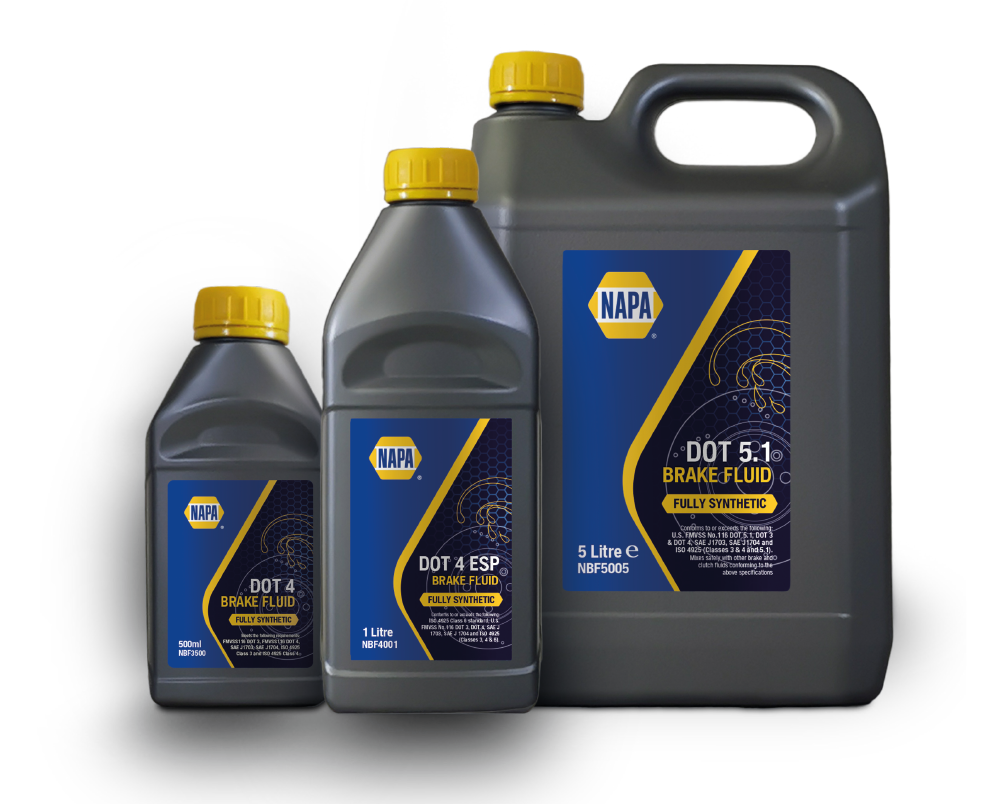
Brakes are one of the most important safety systems in any vehicle. You press the pedal, and the car slows down, simple enough. But behind that simplicity lies a complex hydraulic system powered by a liquid most drivers rarely think about: brake fluid. Among the different types available, DOT 4 brake fluid stands out as the choice for many modern cars, trucks, and motorcycles. Understanding what it is, how it works, and how to maintain it can make the difference between smooth, confident stops and dangerous brake fade.
This article breaks down everything you need to know, from specifications and benefits to replacement tips and common mistakes to avoid.
What Is DOT 4 Brake Fluid?
Brake fluid is the hydraulic medium that transfers force from your foot on the brake pedal to the brake calipers that clamp down on the rotors. Without it, your brakes would simply fail. DOT 4 is a glycol-ether based fluid with carefully designed additives to handle high temperatures and resist corrosion inside the brake system.
The name “DOT” comes from the U.S. Department of Transportation, which sets strict standards for performance. These standards define characteristics such as boiling point, viscosity, and chemical makeup. DOT 4 is formulated to perform well under demanding conditions, making it the standard choice in most vehicles manufactured after the 1990s.
DOT 4 Brake Fluid Specifications
Brake fluids are rated mainly by their boiling points, which indicate how well they resist turning into vapor under extreme heat. If fluid boils, the hydraulic system fills with gas bubbles, and suddenly your brake pedal feels soft or even sinks to the floor. That’s brake fade—dangerous and preventable with the right fluid.
Boiling Point Standards
Here’s how DOT 4 compares to DOT 3 and DOT 5.1:
| Specification | DOT 3 | DOT 4 | DOT 5.1 |
| Dry Boiling Point (°C) | 205 | 230 | 260 |
| Wet Boiling Point (°C) | 140 | 155 | 180 |
| Base Composition | Glycol-ether | Glycol-ether | Glycol-ether |
| Absorbs Water? | Yes | Yes | Yes |
Dry boiling point: Measured with fresh fluid straight out of the container.- Wet boiling point: Measured after the fluid has absorbed about 3.7% water, simulating real-world use.
Chemical Composition
DOT 4 is primarily glycol-based but includes borate esters that raise its boiling point. These additives also help resist the buildup of moisture and fight internal corrosion of brake lines and master cylinders.
Viscosity and Performance
Viscosity describes the consistency of a liquid, indicating whether it is more dense or less dense. In braking systems, viscosity affects how quickly pressure transfers. DOT 4 maintains good viscosity across a wide temperature range, meaning your brakes feel responsive in both freezing winter mornings and hot summer stop-and-go traffic.
Benefits of DOT 4 Brake Fluid
So why choose DOT 4 over other types? Here are the standout advantages:
- Higher heat resistance: Handles aggressive braking and high-performance driving better than DOT 3.
- Improved safety: Reduces the risk of vapor lock when towing, racing, or driving in hilly terrain.
- Longer service life: Withstands higher operating conditions, often lasting up to two years.
- Wide compatibility: Found in the majority of passenger vehicles, motorcycles, and even light trucks.
A driver who frequently tows a trailer down mountain roads will notice a clear difference in brake confidence with DOT 4 compared to lower-rated fluids.
DOT 4 vs Other Brake Fluids
Choosing the right fluid isn’t about grabbing any bottle off the shelf.Every category possesses its unique advantages and disadvantages. DOT 4 vs DOT 3
DOT 3 is cheaper but has lower boiling points. It works fine for older vehicles or light city driving but can fail under heavy loads. DOT 4, on the other hand, offers better protection in high-heat situations, making it a safer bet for most modern cars.
DOT 4 vs DOT 5.1
The DOT 5.1 shares a glycol base with DOT 4 but has even higher boiling points. However, it’s more expensive and usually unnecessary unless you’re in motorsports or own a high-performance vehicle.
DOT 4 vs DOT 5 (Silicone-Based)
DOT 5 is silicone-based, does not absorb water, and is often used in military or vintage vehicles that sit unused for long periods. It should never be mixed with DOT 4 because their chemical bases are incompatible. Doing so can damage seals and compromise braking.
How to Check and Replace DOT 4 Brake Fluid
Even the best fluid degrades over time because glycol-based fluids absorb moisture from the air. This lowers the boiling point and risks corrosion inside the braking system.
When Should You Replace It?
- Every 2 years is the general rule, but always check your owner’s manual.
- If the fluid looks dark brown instead of clear or light amber, it’s time for a change.
- Spongy brakes, longer stopping distances, or a warning light may also point to old fluid.
Step-by-Step Replacement Process
- Gather supplies: DOT 4 fluid, wrenches, a turkey baster or suction tool, and a clear hose.
- Open the reservoir and remove as much old fluid as possible.
- Fill with fresh DOT 4.
- Commence bleeding each brake line, beginning with the wheel that is the most distant.Pump the pedal and let fluid escape until it runs clear.
- Top up the reservoir, ensuring it never runs dry during the process.
Common Mistakes to Avoid
- Mixing fluids: Don’t add DOT 5 to a DOT 4 system.
- Reusing old bottles: Once opened, fluid absorbs moisture quickly. Always use a fresh container.
- Ignoring contamination: Dirt or water in the system can cause serious damage.
Choosing the Best DOT 4 Brake Fluid
Not all DOT 4 fluids are created equal. Differences in additives, performance, and price can affect your decision.
Factors to consider:
- Brand reputation: Stick to trusted names like Castrol, ATE, Bosch, Motul.
- Intended use: Daily driving, towing, or racing all have different demands.
- Budget: High-performance racing fluid may cost more than you need for a family sedan.
| Brand | Dry Boiling Point | Wet Boiling Point | Best For |
| Castrol React | 265°C | 170°C | Daily driving |
| ATE Type 200 | 280°C | 198°C | Performance cars |
| Motul RBF 600 | 312°C | 204°C | Racing applications |
| Bosch High Perf | 270°C | 174°C | General reliability |
FAQs About DOT 4 Brake Fluid
Can you mix DOT 4 with DOT 3?
Yes, but it will lower the boiling point to DOT 3’s level. Always top up with the fluid specified in your owner’s manual.
How long does DOT 4 brake fluid last?
Around 2 years, depending on driving conditions and storage.
What occurs if you apply an incorrect type of brake fluid? At best, performance drops. At worst, seals can swell, components corrode, and the system may fail.
Does DOT 4 absorb water?
Yes, all glycol-based fluids do. That’s why replacement is so important.
Final Thoughts
Brake fluid doesn’t get the same attention as engine oil or coolant, but it plays a role that’s just as critical. DOT 4 offers an ideal balance of safety, performance, and availability, which is why it’s the standard for most vehicles on the road today.
Keeping your braking system healthy isn’t complicated: use the right fluid, check it regularly, and replace it on schedule. It may not be glamorous maintenance, but it’s one of the simplest ways to protect yourself and everyone else on the road.
Remember: when it comes to braking, fresh fluid equals peace of mind.








Leave a Reply