

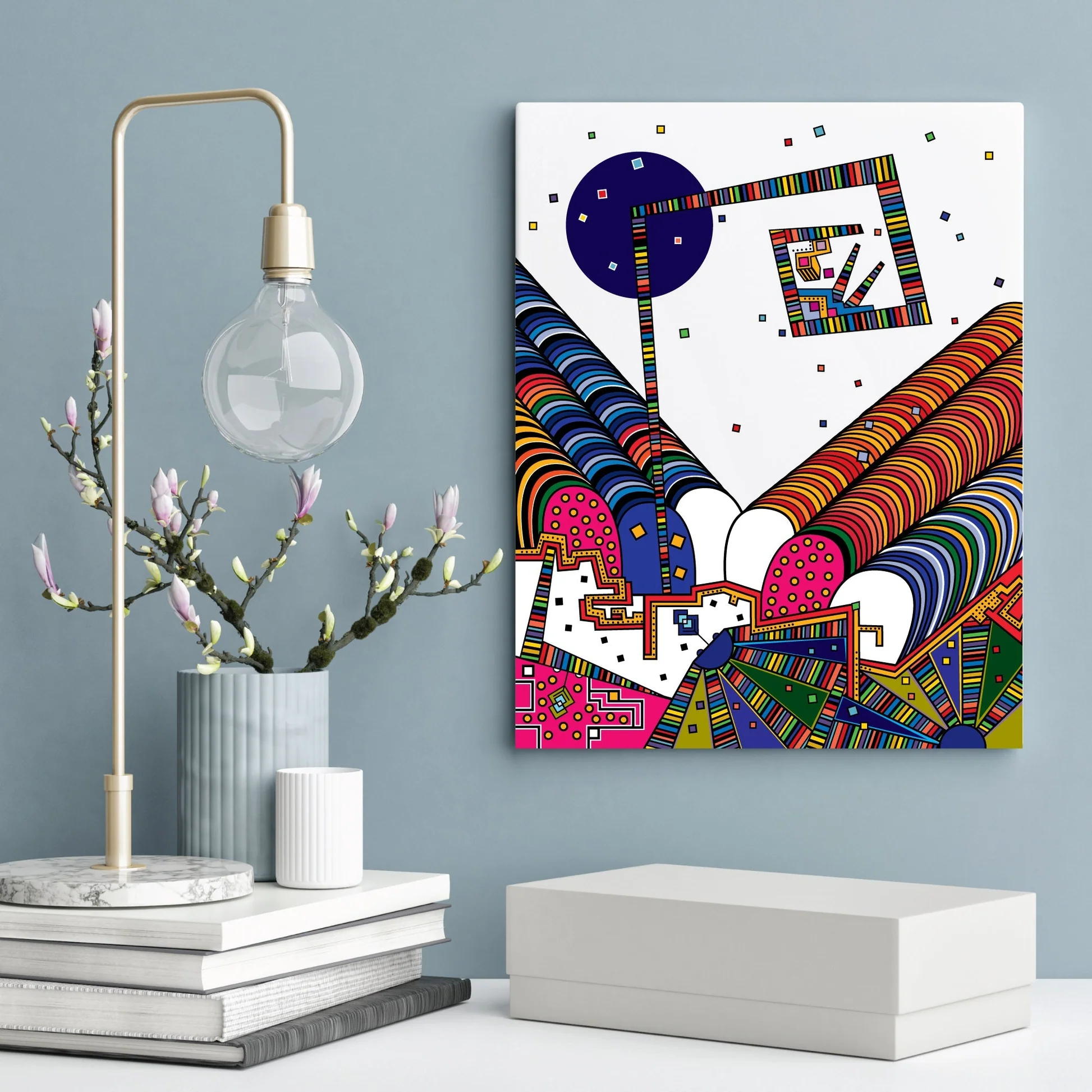
Art has always been more than just decoration. It represents a mindset, a form of expression that connects straight to our feelings and creativity. The term artfine captures this idea perfectly. It’s not only about the traditional sense of fine art—paintings, sculptures, architecture—but also about how art continues to evolve in the digital age, blending creativity, culture, and innovation.
In this guide, we’ll explore the meaning of artfine, its history, its role in today’s society, and where it’s heading next. Whether you’re an artist, collector, or simply someone who loves beauty, you’ll find valuable insights here.
What is Artfine?
At its core, artfine combines the timeless elegance of fine art with the dynamic possibilities of the modern world. Historically, fine art was defined as creations made mainly for their beauty and intellectual worth, including painting, sculpture, music, and architecture. Today, artfine goes beyond that definition, representing an expanded vision that includes digital art, NFTs, photography, performance, and mixed media.
Think of artfine as a bridge between the classical and the contemporary. It honors the traditions of the past while embracing new forms of artistic expression shaped by technology and cultural change.
The Meaning and Origins of Artfine
Defining Artfine
The word itself blends “art” with “fine”, highlighting craftsmanship, skill, and beauty. Fine art traditionally meant disciplines considered noble—painting, sculpture, poetry—distinct from “applied arts” like pottery or furniture making. Today, artfine captures a broader spectrum, uniting creativity and refinement in multiple mediums.
A Brief History of Fine Art
Fine art has a history that goes back many thousands of years:
- Renaissance (14th–17th century): Artists like Michelangelo and Leonardo da Vinci redefined beauty, proportion, and human emotion.
- 19th Century: Impressionists such as Monet broke traditions by painting everyday life with bold colors and brushstrokes.
- 20th Century: Abstract artists like Picasso and Kandinsky challenged how we see art, focusing on ideas more than realism.
- 21st Century: Digital artists, AI creators, and NFT innovators bring art into the virtual space.
This journey shows how artfine is not static—it evolves with each generation.
The Core Elements of Artfine
Visual Beauty and Aesthetics
At the heart of artfine lies the pursuit of beauty. This could be symmetry in a sculpture, balance in a painting, or the elegance of digital design. The principle of aesthetics remains timeless, even as mediums change.
Creativity and Expression
True artfine doesn’t just look beautiful—it tells a story. It reflects identity, emotion, and the culture of its time. For example, Van Gogh’s Starry Night isn’t just a night sky; it’s a window into the artist’s turbulent mind.
Techniques and Mediums
Artfine spans an incredible range of tools:
- Traditional: Oil paints, marble, bronze, canvas.
- Modern: Photography, mixed media, installations.
- Digital: 3D modeling, NFTs, augmented reality.
This mix ensures that artfine is always alive and expanding.
Why Artfine Matters Today
The Cultural Value of Artfine
Artfine is a cultural mirror. It preserves history, challenges our worldview, and sparks conversations. For example, Picasso’s Guernica remains a powerful anti-war statement decades after it was created.
Artfine in the Digital Age
The way we create and enjoy art has changed dramatically thanks to the internet.
- NFTs enable artists to sell digital works while providing evidence of ownership.
- AI art challenges our definition of creativity.
- Social media platforms like Instagram make art accessible to millions.
The Economic Importance of Artfine
Art is also a booming market. According to Statista, the global art market is valued at over $65 billion annually. Collectors buy not just for beauty, but for investment. Famous works often appreciate in value, making it a financial asset as much as a cultural treasure.
Exploring Different Forms of Artfine
Traditional Artfine
- Painting
- Sculpture
- Classical architecture
Modern Artfine
- Abstract works
- Street art
- Conceptual installations
Digital Artfine
- 3D digital renderings
- NFTs (non-fungible tokens)
- Virtual and augmented reality experiences
How to Appreciate and Collect Artfine
Tips for Beginners
- Focus on what resonates emotionally, not just what’s popular.
- Learn about the artist and their background.
- Check authenticity and provenance (the history of ownership).
Building an Artfine Collection
Collectors often follow a few golden rules:
- Start small – buy affordable art from emerging artists.
- Diversify – collect across mediums and styles.
- Preserve – Protect artworks from moisture, light, and harm.
Visiting Galleries and Museums
Some of the world’s greatest artfine experiences are in galleries such as:
- The Louvre (Paris) – home of the Mona Lisa.
- The Met (New York) – over 2 million works.
- The Uffizi (Florence) – Renaissance masterpieces.
Many now offer virtual tours, making artfine more accessible than ever.
Famous Examples of Artfine
| Artwork | Artist | Year | Significance |
| Mona Lisa | Leonardo da Vinci | 1503 | Icon of Renaissance beauty and mystery |
| Starry Night | Vincent van Gogh | 1889 | Emotional expression through color |
| The Thinker | Auguste Rodin | 1904 | Symbol of philosophy and human thought |
| Guernica | Pablo Picasso | 1937 | Protest against war and violence |
| Everydays: The First 5000 Days | Beeple | 2021 | Landmark NFT sale for $69 million |
These examples show how artfine spans centuries, mediums, and styles.
The Future of Artfine
Looking ahead, it will continue to merge technology with tradition:
- AI-assisted art will challenge our ideas of authorship.
- Metaverse galleries may become the new museums.
- Sustainability will shape how art is produced, focusing on eco-friendly materials.
The next generation of artists will likely work with tools we can’t even imagine today.
Conclusion – Why Artfine is More Relevant Than Ever
Artfine is more than a label—it’s a movement. It ties together the beauty of the past with the possibilities of the future. From da Vinci’s brushstrokes to Beeple’s digital collages, artfine reminds us that creativity never dies; it transforms.
Whether you’re admiring a masterpiece in a museum or buying your first NFT, you’re part of the evolving story of artfine. And in a world that’s constantly changing, that story is one worth following.
FAQ: Artfine
Q1: What does artfine mean?
Artfine refers to fine art in all its forms, both classical and modern, including digital art.
Q2: Is artfine different from fine art?
Yes. Fine art traditionally means painting, sculpture, and architecture, while it expands this to include digital and contemporary forms.
Q3: Is artfine a good investment?
Absolutely. The global art market proves that art can grow in value over time, especially unique or historical works.









Leave a Reply