

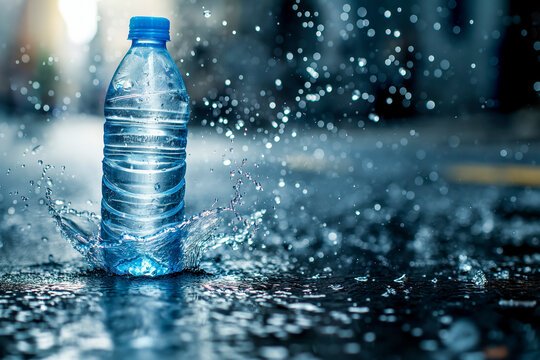
Staying hydrated sounds simple—you drink when you’re thirsty. But when it comes to bottled water, confusion often kicks in. Every bottle looks slightly different, the labels swap between milliliters and ounces, and sometimes you’re left wondering: “A bottle of water is how many ounces exactly?”
This guide clears up the mystery. We’ll cover standard sizes, global differences, conversions, hydration needs, and even why bottled water comes in such varied packaging. By the end, you’ll not only know how many ounces are in your bottle but also how to use that information to make smarter choices for your health and convenience.
Why Ounces Matter When Measuring Bottled Water
Most people don’t stop to think about fluid ounces until they’re trying to track their hydration or compare bottle sizes. However, it’s more important than you might realize.
- Health tracking: Doctors and nutritionists often recommend drinking a set number of ounces per day. Knowing how much water is in each bottle makes following that advice easier.
- Travel convenience: On flights, liquids over 3.4 ounces (100 ml) can’t pass through security. That’s why smaller bottles exist.
- Regional labeling: In the United States, water volume is listed in fluid ounces (fl oz), while in most of the world, bottles are measured in milliliters (ml) or liters (L).
Put simply, understanding ounces lets you compare bottles, measure intake accurately, and avoid confusion when shopping in different countries.
Standard Sizes of Bottled Water in the U.S.
In the U.S., bottled water comes in a variety of standard sizes.The 16.9 fluid ounce bottle, which is the most well-known, holds 500 milliliters. You’ve probably grabbed one from a convenience store or bought a case of them at the supermarket.
Here’s a breakdown of the most common options:
The Common 16.9 fl oz Bottle (500 ml)
This is the industry standard. It’s portable, easy to carry, and often sold in bulk packs of 24. It also makes math easy—about four of these equal half a gallon, and just over seven make a full gallon.
Small Water Bottles: 8 oz and 12 oz Options
Designed for kids’ lunches, office meetings, or quick sips, these smaller bottles are convenient but less eco-friendly since they increase plastic use.
Larger Bottles: 20 oz, 24 oz, and 33.8 oz (1 Liter)
Athletes and busy workers often choose these sizes since they cut down on refills. The 33.8 oz (1 liter) bottle is especially popular in Europe and increasingly in the U.S.
Gallon-Sized Bottles and Bulk Water Jugs
For families or events, larger formats like 1 gallon (128 oz) jugs or 2.5 gallon containers are common. These are more cost-effective and reduce plastic waste when compared to individual bottles.
Bottle of Water Is How Many Ounces in Other Countries?
Outside the U.S., bottled water sizing shifts. Metric units dominate, but the sizes roughly align with what Americans are used to.
Europe and Metric Measurements
In Europe, bottles are usually labeled in milliliters or liters.A standard bottle holds 500 ml, which is the same as 16.9 ounces. There are also bigger bottles like the 750 ml one, which is 25 ounces, and the 1.5-liter bottle, which is 50.7 ounces.
Asia and Popular Bottle Sizes
In countries like Japan, Korea, and China, bottles often come in 350 ml, 500 ml, and 2-liter versions. Street vending machines typically stock the 500 ml bottles.
Converting Liters to Ounces Made Simple
The formula is straightforward:
1 liter = 33.8 fluid ounces
So, a 1.5 liter bottle is roughly 50.7 ounces, while a 2 liter bottle is 67.6 ounces.
Quick Conversion Table: Bottled Water Sizes in Ounces
| Bottle Size | Milliliters (ml) | Fluid Ounces (fl oz) |
| Small | 237 ml | 8 oz |
| Medium | 355 ml | 12 oz |
| Standard | 500 ml | 16.9 oz |
| Large | 710 ml | 24 oz |
| Extra Large | 1 liter | 33.8 oz |
| Family Size | 1.5 liters | 50.7 oz |
| Big Bottle | 2 liters | 67.6 oz |
| Gallon Jug | 3.78 liters | 128 oz |
This table makes conversions painless. Whether you’re comparing a European bottle to an American one or just trying to track your intake, you’ll know exactly what you’re getting.
Daily Hydration: How Many Bottles of Water Should You Drink?
Knowing how many ounces are in a bottle isn’t just trivia—it ties directly into your daily water needs.
General Health Recommendations
You’ve probably heard the “8×8 rule”: drink eight 8-ounce glasses of water per day, or 64 ounces total. While simple, it’s not a one-size-fits-all rule. For many adults, especially active ones, this number can be higher.
Athletes and Active Lifestyle Needs
When you work out, your body sweats more, causing you to lose extra water. A marathon runner might need double the standard recommendation. Sports dietitians often suggest drinking 0.5–1 liter per hour of exercise, depending on intensity and climate.
Climate and Environment Factors
If you live in a hot, dry environment, your hydration needs naturally rise. For example, people in desert regions may drink several liters more per day compared to those in cooler climates.
Fun Facts About Bottled Water Ounces
- The 16.9 oz (500 ml) bottle became standard in the U.S. partly because it’s half a liter, making conversions simpler for international markets.
- In Japan, vending machines stock an unusual 350 ml bottle (11.8 oz), designed to balance portability with enough volume for short commutes.
- Marketing influences size choices: small 8 oz bottles target kids, while 1 liter bottles appeal to health-conscious adults tracking daily hydration.
As one beverage marketing consultant once said:
“The size of the bottle goes beyond just staying hydrated; it reflects a convenient way of life.”
FAQs on Bottled Water and Ounces
Is 16.9 oz the same as 500 ml?
Yes, almost exactly. A 16.9 fl oz bottle equals 500 ml, the most common international standard.
How many ounces are in a half-liter bottle?
A half-liter is 16.9 fluid ounces.
How many 16.9 oz bottles equal a gallon?
About 7.57 bottles. In practice, that means drinking 7 to 8 bottles gets you close.
How do fluid ounces differ from ounces when measuring weight?
Fluid ounces measure volume, not weight. One fluid ounce of water weighs about 1.04 ounces, but this varies for other liquids.
Conclusion: Choosing the Right Bottle Size for Your Needs
The amount of ounces in a bottle of water varies based on its size. From the standard 16.9 oz bottle to giant gallon jugs, there’s a size for every situation.
- For quick refreshment, 8–12 oz bottles work well.
- For everyday use, 16.9 oz bottles strike a balance.
- For serious hydration, 1 liter or larger bottles reduce refills.
Ultimately, understanding how many ounces your bottle contains helps you track intake, stay healthy, and make smarter purchasing choices. Next time you pick up a bottle, you won’t just see plastic and water—you’ll see a clear measure of your hydration goals.






Leave a Reply