

Introduction
If you’ve ever browsed through rifle ammunition, chances are you’ve noticed a box marked “green tip.” These distinctive rounds have sparked curiosity, debate, and sometimes even controversy among shooters, hunters, and lawmakers. But what exactly are they, and why do they matter?
Green tip ammo, often referred to as M855 rounds or 5.56 NATO green tips, is one of the most talked-about cartridges in both military and civilian shooting communities. Known for its steel penetrator core and unique design, this ammunition has a history rooted in military needs but has since made its way into civilian markets.
This guide breaks down everything you need to know about green tip ammunition—its history, how it works, where it’s legal, and when you should or shouldn’t use it.
What is Green Tip Ammo?
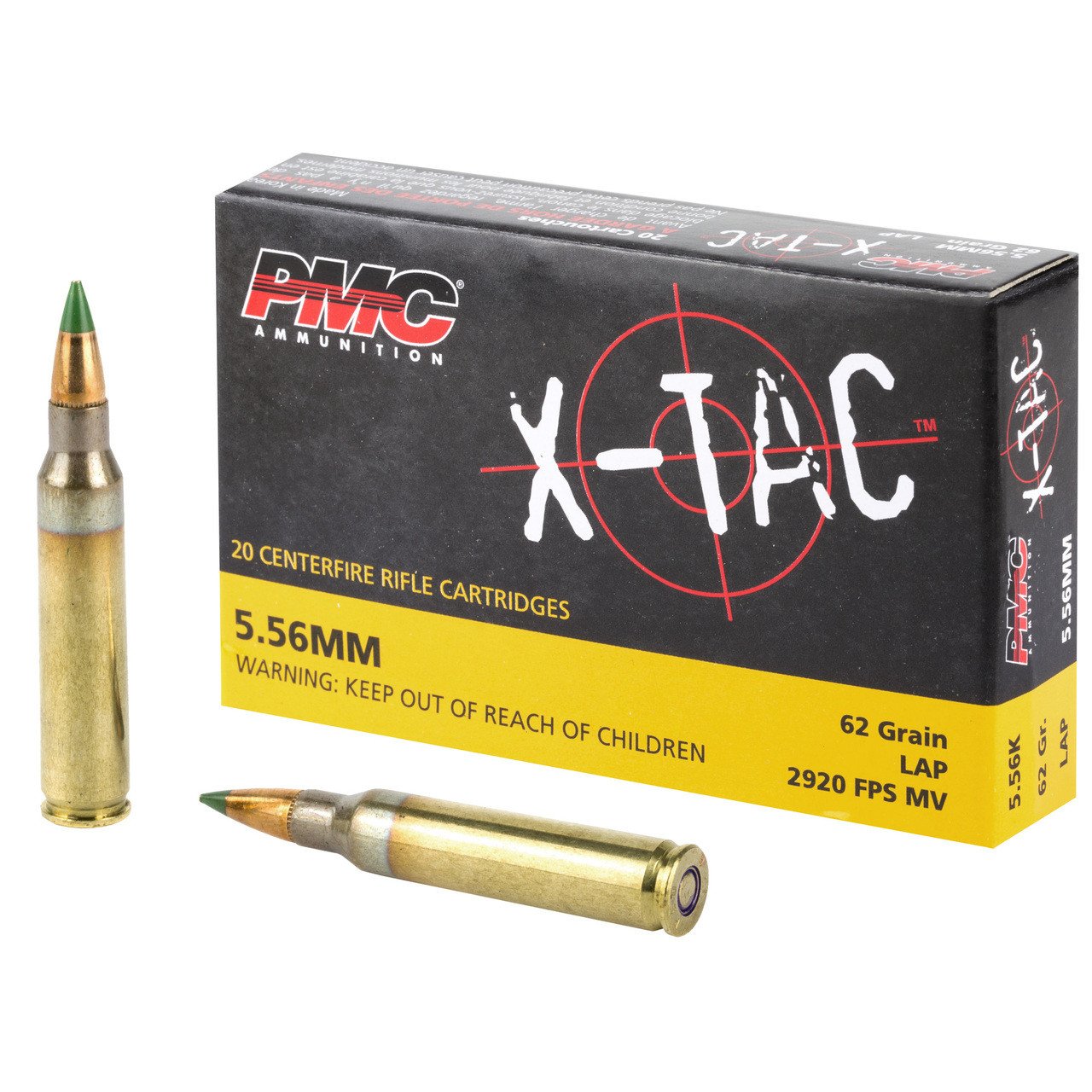
At its core, green tip ammunition is a 5.56x45mm NATO round with a specific marking: a painted green tip. That little splash of color isn’t for decoration; it signals that the bullet has a steel penetrator core in addition to the standard lead core. This construction makes it more capable of piercing hard targets than standard full metal jacket (FMJ) rounds.
Unlike common .223 Remington rounds, green tip cartridges were designed with a dual purpose: to be accurate at longer ranges while offering better penetration against helmets and light barriers.
In short: green tip ammo isn’t just a catchy name—it’s a technical designation for a specialized round developed for NATO forces.
The History of Green Tip Ammo
Green tip ammunition traces its roots back to the late 1970s and early 1980s. NATO sought a standardized rifle cartridge that could outperform older 7.62mm rounds in terms of weight, recoil, and accuracy. The result was the SS109 projectile, which later became the M855 in the U.S. military.
- 1970s – Belgian company FN Herstal designs the SS109 round.
- 1980s – U.S. military adopts the design, labeling it M855, and begins issuing it widely.
- Marking – To differentiate it from other rounds, the tip was painted green.
By the early 1990s, surplus and commercially produced green tip ammunition started appearing on the civilian market. That availability, combined with its military mystique, helped fuel its popularity among shooters.
How Green Tip Ammo Works
Construction and Design
Green tip ammunition is unique because of its three-part construction:
- Lead core
- Steel penetrator tip
- Copper jacket
This setup doesn’t make it true “armor-piercing” ammo, despite common misconceptions. Instead, the steel tip helps it penetrate light barriers like car doors, sheet metal, and thin steel plates better than standard lead-core bullets.
Ballistics and Performance
On average, M855 rounds weigh 62 grains and travel at approximately 3,100 feet per second when fired from a 20-inch barrel. Performance can vary depending on the rifle’s barrel length, but the round maintains:
- Effective range: up to 600 yards for point targets
- High velocity with consistent accuracy
- Reliable penetration against intermediate obstacles
Pros and Cons of Green Tip Ammo
Advantages:
- Stronger penetration than standard FMJ
- Affordable when purchased in bulk
- Widely available in civilian markets
- Reliable performance at medium to long ranges
Drawbacks:
- Over-penetration risk in certain scenarios
- Restricted use at some shooting ranges due to steel content
- Not always the most accurate choice compared to match-grade ammo
Is Green Tip Ammo Legal?
The legality of green tip ammunition has been the subject of heated debates.
- Federal Law: In the U.S., green tip ammo is legal under federal law. The ATF (Bureau of Alcohol, Tobacco, Firearms, and Explosives) has reviewed the round multiple times but does not classify it as armor-piercing under the Gun Control Act.
- State Restrictions: Some states have specific laws that either restrict or ban the use of green tip rounds. Always check local regulations before purchasing.
- Range Rules: Many indoor ranges prohibit the use of green tip ammunition due to the risk of damaging steel backstops.
Myth-busting: Despite common belief, green tip rounds are not banned nationwide and are not illegal armor-piercing ammunition for civilian use.
Best Uses for Green Tip Ammo
Military and Tactical Applications
The U.S. military adopted green tip rounds because they offered better penetration against enemy helmets and light cover while maintaining accuracy at long ranges.
Civilian Use in the U.S.
For civilian shooters, green tip ammo is commonly used for:
- Target practice
- Plinking at outdoor ranges
- Training with AR-15 platforms
- Limited hunting scenarios where penetration is beneficial
Situations Where It Isn’t Ideal
- Close quarters defense (risk of over-penetration)
- Indoor ranges with steel targets
- Precision shooting where match-grade rounds outperform
Comparing Green Tip Ammo to Other Ammunition
| Feature | Green Tip (M855) | Standard 5.56 FMJ | .223 Remington |
| Bullet Weight | 62 grains | 55 grains | 55–77 grains |
| Penetration | High (steel core) | Moderate | Low–moderate |
| Accuracy | Good, not match-grade | Decent | Varies (can be highly accurate) |
| Legal Status | Legal federally | Legal federally | Legal federally |
| Best Use | Medium–long range, barrier penetration | Training, practice | Hunting, precision shooting |
This table highlights that while green tip ammo excels in penetration, it isn’t always the best for accuracy-focused tasks.
Buying Green Tip Ammo
When purchasing, consider:
- Retailers: Online suppliers, gun shops, and military surplus stores.
- Bulk Pricing: Buying in bulk often reduces per-round costs.
- Quality Control: Stick to reputable brands like Federal, Winchester, or IMI to avoid defective rounds.
Tip: Always check state laws before ordering online. Some retailers won’t ship to restricted states.
Safety and Responsible Use of Green Tip Ammo
Safety should always come first.
- Range Safety: Ask your local range if green tip ammo is allowed before bringing it.
- Backstop Awareness: Because of their penetrative design, never use them on steel targets unless specifically rated for it.
- Storage: Keep ammunition stored in a cool, dry place to maintain reliability.
Green Tip Ammo Myths and Misconceptions
The Myth 1: Green tip rounds are “armor-piercing” civilian ammunition.
- Fact: They aren’t classified as armor-piercing under federal law.
A Myth 2: They’re banned nationwide.
- Fact: Legal at the federal level, though restricted in some states.
Myth 3: Only the military can use them.
- Fact: Civilians can legally purchase and use them in most states.
The Future of Green Tip Ammo
As firearm technology evolves, the role of green tip ammunition may shift. Discussions around regulation, environmental concerns, and new bullet designs could shape its availability. While some predict stricter laws, others believe its widespread use and affordability will keep it on shelves for years.
Emerging alternatives, such as lead-free ammunition or next-generation penetrator rounds, may eventually replace traditional M855. Still, green tip ammo continues to occupy a reliable space in both civilian and military shooting circles.
Conclusion
Green tip ammo has carved out a unique identity among rifle rounds. With a history tied to NATO standardization, a design built for penetration, and a reputation that straddles the line between myth and fact, it remains one of the most recognizable types of 5.56 NATO ammunition available today.
For civilians, it offers affordability, reliability, and a bit of military heritage. However, it isn’t the right choice for every shooting scenario. Understanding its strengths, limitations, and legal standing ensures you’ll use it safely and responsibly.











Leave a Reply