

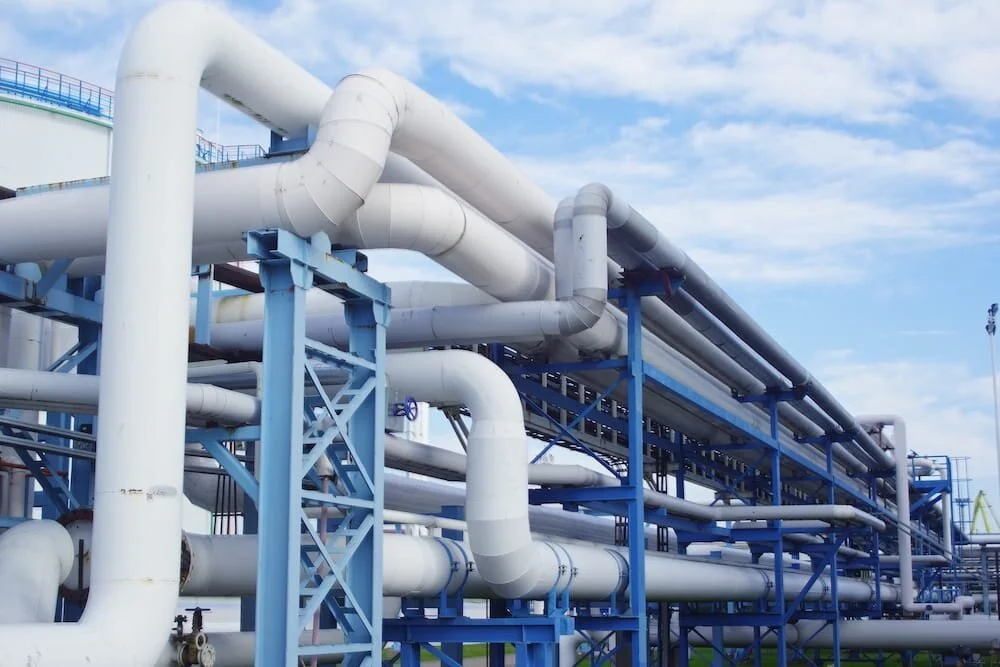
Keeping pipelines clear and well-maintained is vital for industries, municipalities, and even residential systems. Whether transporting oil, gas, water, or sewage, pipelines form the veins of modern infrastructure. When they clog, corrode, or weaken, the effects ripple through safety, efficiency, and finances. That’s where pipelines cleaing steps in. Done right, it prevents major breakdowns, extends the lifespan of infrastructure, and saves huge repair costs. In this guide, you’ll learn what it is, why it matters, and the best methods used today.
What is Pipelines Cleaning?
At its core, pipelines cleaning means removing dirt, sludge, corrosion, and other deposits that reduce flow and damage the structure. Just as your arteries need to stay unclogged for blood to circulate smoothly, pipelines need to remain free of buildup. Over time, substances like mineral scaling, grease, chemicals, or biological growth can coat the inner walls.
Different pipelines serve different purposes:
- Oil and gas pipelines deal with wax, sand, and scale buildup.
- Water supply lines collect minerals, sediments, and biofilm.
- Sewage pipelines struggle with grease, fats, and organic matter.
- Industrial pipelines often carry chemicals that cause corrosion or residue.
Without regular cleaning, these blockages increase pressure, raise the risk of cracks, and even lead to complete shutdowns.
Why Pipelines Cleaning is Important
Preventing Blockages and Breakdowns
A blocked pipe can halt operations overnight. For example, in 2010, a refinery shutdown cost millions because scaling went unnoticed until it clogged a critical section. Routine cleaning acts as a preventive measure, sparing industries from sudden stoppages and expensive emergency repairs.
Improving Flow Efficiency
Deposits inside a pipeline reduce the flow rate. That means pumps work harder and energy bills climb. A clean pipeline improves flow efficiency, making systems run smoothly and economically.
Comparison Table: Clean vs Dirty Pipeline Performance
| Condition | Flow Rate | Energy Use | Risk of Damage |
| Clean Pipeline | High | Low | Minimal |
| Dirty Pipeline | Reduced | High | Significant |
Extending Pipeline Lifespan
Pipelines are built to last decades, but corrosion and buildup can shorten their lifespan drastically. Cleaning them regularly adds years to their service and avoids costly replacements.
Common Pipelines Cleaning Methods
There isn’t a one-size-fits-all approach. Different industries rely on different techniques depending on the pipeline type, size, and level of contamination.
Mechanical Cleaning
This is the most traditional and widely used method. It involves tools like pigs (pipeline inspection gauges), scrapers, and robotic brushes. Pigs travel through the line, scraping debris and even collecting data about the pipe’s condition.
Pros: Effective for solid buildup, quick, and reusable.
Cons: May not reach every corner in complex systems.
Chemical Cleaning
Chemical agents such as solvents, acids, or detergents dissolve stubborn deposits like scale or grease. Industries like petrochemicals often use this method to restore flow.
Pros: Very effective on hard deposits.
Cons: Requires safe handling, disposal, and environmental care.
Hydro Jetting and Water-Based Methods
High-pressure water jets blast away dirt and scale. This method is common in municipal sewage systems and industries requiring high hygiene standards like food processing.
Pros: Environmentally friendly and highly effective.
Cons: Energy-intensive, may not suit fragile pipelines.
Thermal and Advanced Cleaning Methods
Steam, cryogenic cleaning with CO₂ pellets, and even laser cleaning are becoming more popular. They’re effective in removing residues without heavy chemicals.
Emerging methods include:
- Bioremediation using microbes that eat away at organic waste.
- Ultrasonic cleaning that shakes off deposits with sound waves.
Pipelines Cleaning Procedures Step-by-Step
- Pre-Inspection and Assessment
- Technicians use cameras and smart sensors to examine the pipeline.
- Selecting the Method
- Decision based on the type of deposit, pipe material, and cost.
- Execution Phase
- Cleaning tools or chemicals are introduced into the line.
- Post-Cleaning Inspection
- Confirm the job was effective using robotic cameras.
Table: Pipelines Cleaning Process vs Key Benefits
| Step | Benefit |
| Pre-Inspection | Detects blockages and weak spots |
| Method Selection | Ensures efficiency and safety |
| Cleaning Execution | Removes contaminants effectively |
| Post-Cleaning Check | Guarantees full restoration of flow |
Tools and Equipment Used in Pipelines Cleaning
The process relies on specialized tools:
- Pigging devices: Foam pigs, smart pigs with sensors.
- Scrapers and brushes: Mechanical removal tools.
- Hydro jetting machines: High-pressure water systems.
- Robotic cleaners: Equipped with cameras for real-time inspection.
- Safety gear: Helmets, gas detectors, and protective suits for workers.
Safety and Environmental Considerations
Worker Safety Precautions
Pipeline cleaning can be dangerous. Hazards include high-pressure equipment, toxic gases, confined spaces, and chemical exposure. Workers must use protective equipment, follow lockout procedures, and monitor oxygen levels in closed systems.
Environmental Protection
Improper disposal of chemicals can contaminate soil and water. That’s why many companies are switching to water-based or biological methods. Compliance with local regulations ensures cleaning is safe not only for people but also for ecosystems.
Cost of Pipelines Cleaning
The price varies depending on:
- Pipeline size and length.
- Type of deposits.
- Cleaning method.
- Frequency of cleaning.
Cost Comparison Table
| Method | Typical Cost (per km) | Best For |
| Mechanical | Low to Medium | General cleaning, oil & gas |
| Chemical | Medium to High | Stubborn scale, industrial use |
| Hydro Jetting | Medium | Municipal, food-grade systems |
| Advanced | High | Specialized industries |
While upfront costs can look steep, they’re small compared to the millions lost during breakdowns.
Best Practices for Effective Pipelines Cleaning
To maximize results, follow these practices:
- Schedule inspections at regular intervals.
- Select contractors with proven expertise and certifications.
- Record every cleaning cycle to track pipeline health.
- Use monitoring technology like sensors for predictive maintenance.
Future Trends in Pipelines Cleaning
The future is moving toward automation and eco-friendly practices. Some trends include:
- AI-driven predictive maintenance: Sensors predicting blockages before they form.
- Drones and robotic cleaners: Offering precision and minimizing worker risks.
- Green chemicals and bioremediation: Safer for the environment.
- Smart infrastructure integration: Pipelines that self-monitor and alert operators.
Frequently Asked Questions (FAQ)
How often should pipelines be cleaned?
It depends on usage, but industrial lines may need annual cleaning while municipal systems are scheduled every few years.
Which industries need it most?
Oil and gas, water treatment plants, food processing, and chemical industries rely heavily on it.
Is chemical cleaning safe?
Yes, when handled by professionals with proper disposal systems.
Can pipelines be cleaned without shutting down operations?
Yes, techniques like pigging allow cleaning while the pipeline remains in service.
Conclusion
Regular pipelines cleaning isn’t just maintenance; it’s a safeguard for infrastructure, safety, and financial stability. Clean lines mean efficient flow, fewer breakdowns, and longer lifespans. Whether you’re managing an oil refinery, municipal sewage system, or water supply network, investing in professional cleaning pays off in the long run.
When pipes stay clear, industries stay productive, communities stay safe, and costs stay low.









Leave a Reply