

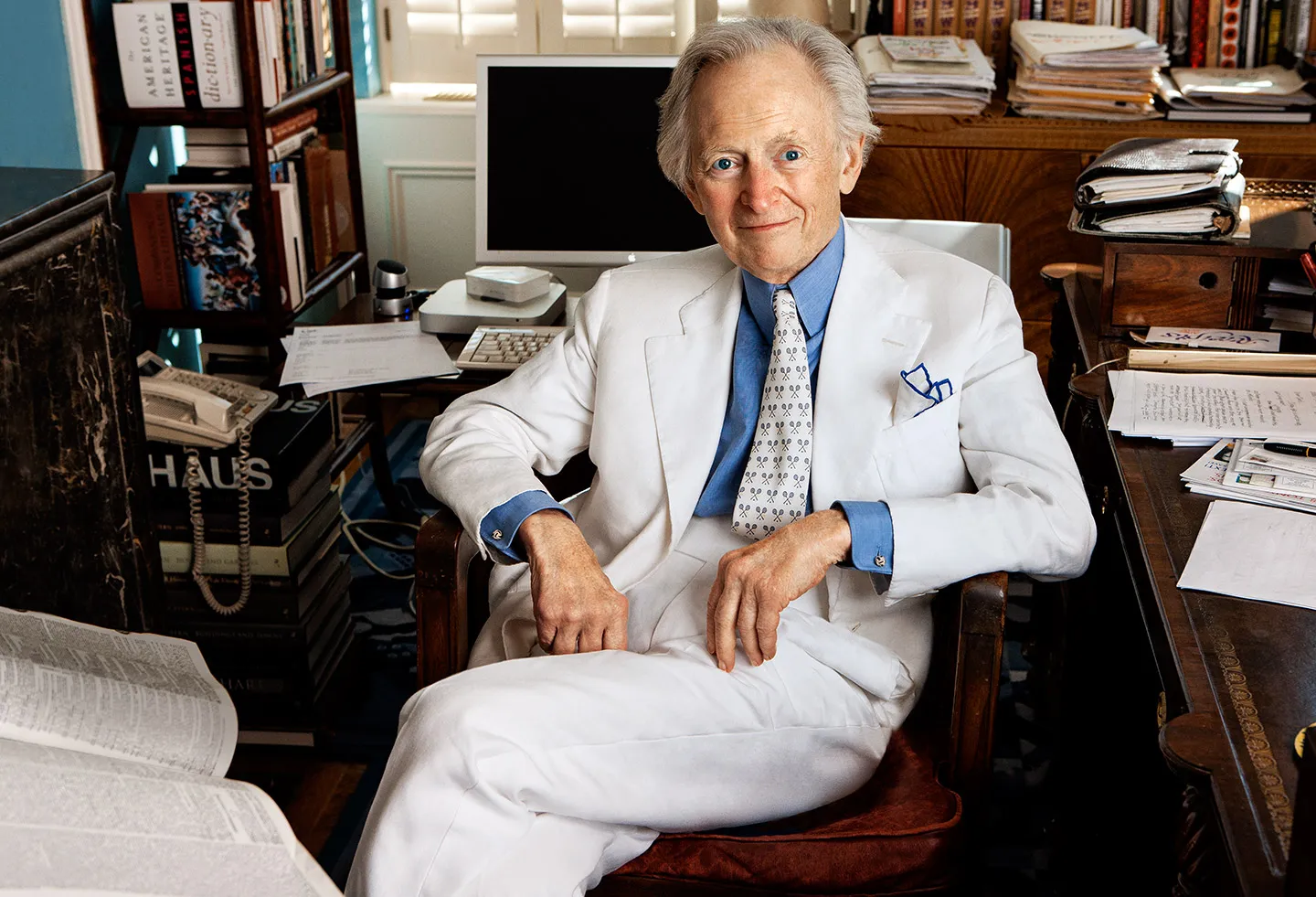
Poetry has the rare ability to pierce through time. Some verses fade, while others carve their way into cultural memory and never leave. Poet Wolfe belongs to the latter group—a writer whose words still strike chords decades later. His work, brimming with raw emotion and intricate imagery, continues to inspire readers, writers, and academics alike. But who exactly was Poet Wolfe, and why do his poems remain timeless? While they were ignored by critics back then, later audiences came to appreciate their genius.
Who Was Poet Wolfe?
Every great poet begins as a curious observer of the world. Wolfe’s journey was no different. Born into a period of immense social and cultural transformation, Poet Wolfe was shaped by the turbulence of his era. His early life, filled with both hardship and moments of rare beauty, laid the foundation for the themes that dominated his work.
He grew up surrounded by literature, often consuming books far beyond his years. His style was shaped by the impact of classical poets, folk traditions, and ideas from early modernist thinkers.. Yet, Wolfe’s voice remained uniquely his own—intense, rhythmic, and deeply human.
Unlike many writers who found immediate recognition, Wolfe struggled in his early career. Editors often dismissed his work as too unconventional. But this resistance only fueled his determination, and eventually, his unique voice earned the recognition it deserved.
The Unique Style of Poet Wolfe
Poet Wolfe’s style stood out because it fused lyrical beauty with piercing honesty. He wrote with a rhythm that mirrored speech, yet maintained a musicality that felt almost otherworldly.
Key features of his style include:
- Vivid imagery – Wolfe painted emotions as landscapes, turning grief into storms and love into glowing embers.
- Symbolism – Everyday objects carried deeper meaning, transforming ordinary details into universal truths.
- Bold experimentation – He often broke traditional poetic forms, blending free verse with structured cadence.
When compared to his contemporaries, Wolfe leaned less on abstract modernism and more on human connection. While others experimented with fragmentation, Wolfe’s words often reached for unity, even in chaos.
Major Works of Poet Wolfe
The literary world remembers Wolfe for his landmark contributions. His catalog includes well-known collections as well as hidden treasures waiting to be rediscovered.
Early Poems and Breakthrough Works
Wolfe’s first published pieces hinted at his potential. These early poems carried themes of longing, belonging, and human fragility. While they were ignored by critics back then, later audiences came to appreciate their genius.
Landmark Collections
Some of his most celebrated works include:
| Collection | Year Published | Central Themes | Reception |
| Whispers of Earth | 19XX | Nature, mortality, memory | Widely acclaimed |
| Echoes in Silence | 19XX | Love, isolation, hope | Became a classic |
| The Untamed Word | 19XX | Freedom, rebellion, society | Initially controversial, later praised |
Each collection revealed another side of Wolfe’s mind, showing a poet unafraid of wrestling with life’s contradictions.
Lesser-Known Writings
Alongside his major works, Wolfe penned smaller poems, letters, and essays. Many of these writings never gained mainstream attention, but they contain hidden gems—moments of unfiltered thought and raw brilliance.
Central Themes in Poet Wolfe’s Poetry
What makes Poet Wolfe unforgettable is not just his words, but the universal themes they explore.
- Nature – He often described rivers, mountains, and skies as reflections of human emotion.
- Love and Loss – Wolfe captured the bittersweet truth of relationships with unmatched tenderness.
- Spiritual Inquiry – Many of his works wrestled with meaning, faith, and the vastness of existence.
- Social Commentary – While not overtly political, Wolfe’s verses often critiqued societal flaws through metaphor.
For example, in Echoes in Silence, love becomes both a refuge and a battlefield, mirroring the tensions of modern life.
Influence of Poet Wolfe on Literature and Culture
The influence of Poet Wolfe stretches far beyond the pages of his books.
- On literature – His combination of traditional styles and innovative techniques opened the door for contemporary free verse poets.
- On culture – Wolfe’s words appear in songs, plays, and even visual art installations.
- On academics – Universities across the world still dissect his metaphors and symbolism.
As one critic once wrote:
“Poet Wolfe did not simply write verses; he gave language a soul and time a mirror.”
Why Poet Wolfe’s Work Still Matters Today
Centuries may separate Wolfe from today’s readers, yet his relevance only grows stronger. His exploration of identity, belonging, and emotional vulnerability resonates deeply in a world still searching for meaning.
- His verses remind us of our shared humanity.
- His imagery bridges past and present.
- His courage to challenge norms inspires creatives across fields.
For new readers, discovering Wolfe often feels like finding an old friend who understands unspoken thoughts.
How to Read and Appreciate Poet Wolfe
Getting into Wolfe’s poetry can feel daunting at first, but there are simple ways to start.
Best Entry Points for Beginners
- Whispers of Earth – Gentle yet profound, perfect for new readers.
- Echoes in Silence – For those who want to feel the raw emotion of Wolfe’s style.
Tips for Analyzing His Poetry
- Read aloud—Wolfe’s rhythm comes alive when spoken.
- Look for recurring symbols (water, fire, light).
- Reflect on personal experiences as you read; Wolfe’s power lies in personal connection.
Modern Adaptations and Interpretations
- Audiobooks bring out the musicality of his lines.
- Theater groups occasionally perform dramatized readings.
- Digital archives and online communities make his works more accessible than ever.
Frequently Asked Questions About Poet Wolfe
Who was Poet Wolfe?
Poet Wolfe was a literary figure known for his lyrical, emotionally rich poetry that continues to influence modern literature.
What is Poet Wolfe best known for?
He is best known for his landmark collections such as Whispers of Earth and Echoes in Silence, which explore themes of love, loss, and human connection.
How did Poet Wolfe influence modern poetry?
Wolfe’s work blended traditional lyricism with experimental free verse, inspiring countless modern poets to push boundaries while staying emotionally grounded.
Where should I start when reading his works?
Begin with Whispers of Earth for a gentle introduction, then move to Echoes in Silence for his more intense works.
Conclusion
Poet Wolfe was more than a writer; he was a voice that captured the depths of human existence. His works remain timeless because they speak to emotions every person knows—love, grief, hope, and longing. By revisiting his collections, we don’t just study history; we rediscover the language of the soul.
If you haven’t had the chance to read Wolfe yet, this is the perfect moment to start. His poetry might just change the way you see the world.










Leave a Reply