

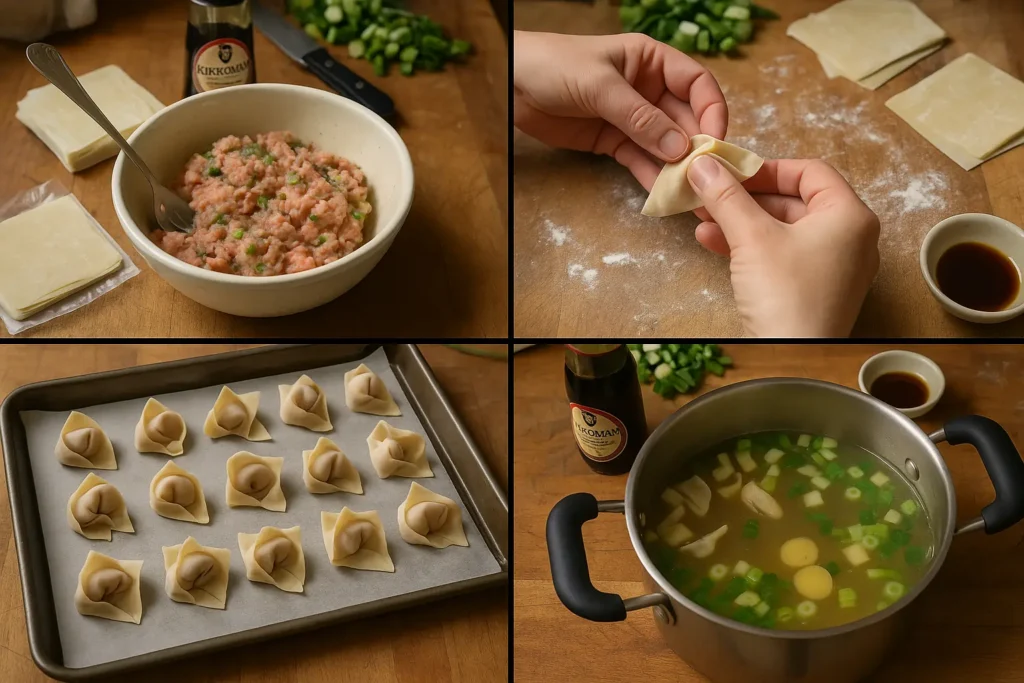
What Is Subgum Wonton?
If you’ve ever looked at a Chinese takeout menu and spotted the term subgum wonton, you might have wondered what makes it different from the usual wonton dishes. Simply put, “subgum” refers to a style of Chinese-American cooking where multiple ingredients—typically vegetables, meats, and sauces—are mixed together to create a richly textured dish. When paired with wontons, you get a delightful combination of dumplings served with a medley of vegetables and savory sauce.
Unlike the more familiar wonton soup or crispy fried wontons served as appetizers, the subgum version is a full meal. It’s colorful, hearty, and layered with flavors that satisfy both the craving for comfort food and the desire for something fresh.
The Origins of Subgum Wonton
The roots of wontons stretch back more than 1,000 years in China. Originally enjoyed in northern regions during cold winters, wontons were simple dumplings filled with meat and broth. Over time, they spread across provinces, each region adding its twist.
The term “subgum” comes from Cantonese cuisine. In Chinese, “subgum” translates to “mixed” or “assorted.” Cantonese immigrants brought this idea to North America in the late 19th and early 20th centuries, where it evolved further in American Chinese restaurants. Here, chefs combined traditional wontons with fresh vegetables and sauces tailored to Western palates.
Today, subgum wonton is most popular in the United States and Canada. It’s considered a staple in Chinese-American dining, appearing on menus alongside other favorites like chow mein, chop suey, and sweet-and-sour chicken.
What Does “Subgum” Mean in Chinese Cuisine?
“Subgum” (雜錦, zá jǐn in Mandarin) literally means “mixed assortment.” It describes dishes that combine a variety of ingredients for complex textures and layered flavors.
Examples of subgum dishes include:
- Subgum chow mein – stir-fried noodles with mixed vegetables and meats.
- Subgum fried rice – fried rice with shrimp, chicken, beef, and vegetables.
- Subgum wonton – wontons served with a blend of vegetables in a savory sauce.
The concept reflects the Cantonese love for balance—combining crisp vegetables, tender meat, and light sauces. When applied to wontons, this creates a dish that’s both familiar and novel.
Ingredients in Subgum Wonton
The beauty of subgum wonton lies in its flexibility. While recipes vary, most versions share a few common elements.
The Wonton Wrapper
- Thin sheets of dough made from flour, water, and a pinch of salt
- Sold fresh or frozen in Asian grocery stores
- Homemade wrappers are softer and more pliable, giving the wontons a rustic feel
The Filling
Typical fillings balance protein and seasoning. A classic mix includes:
- Ground pork or shrimp as the protein base
- Shredded cabbage or bok choy for freshness
- Aromatics like ginger, garlic, and scallions
- Soy sauce and sesame oil for flavor
The Subgum Mix
This is where creativity shines. Subgum refers to the colorful mix of vegetables added to the dish. Common choices are:
- Snow peas
- Carrots
- Bell peppers
- Mushrooms
- Bamboo shoots
- Water chestnuts
A light, savory sauce—often soy-based with cornstarch for thickening—brings everything together.
How to Make Subgum Wonton at Home
Making subgum wonton at home may seem daunting, but it’s actually approachable once you break it into steps.
Step-by-Step Cooking Instructions
- Prepare the filling: Mix ground pork or shrimp with shredded cabbage, scallions, garlic, soy sauce, and sesame oil.
- Wrap the wontons: Place a spoonful of filling in the center of a wrapper. Fold into triangles or pleated shapes, sealing with water.
- Cook the wontons: Boil until they float (around 5 minutes), steam for a delicate texture, or fry for crispy wontons.
Making the Subgum Sauce
- Combine soy sauce, oyster sauce, chicken broth, and sugar.
- Add cornstarch slurry (cornstarch mixed with water) to thicken.
- Adjust seasoning with a splash of rice wine or sesame oil.
Bringing It All Together
- Stir-fry the vegetables in a wok until crisp-tender.
- Add sauce and cooked wontons.
- Toss gently to coat without breaking the wontons.
- Garnish with scallions or sesame seeds.
Popular Variations of Subgum Wonton
Different versions of the dish exist depending on region and preference.
- Subgum wonton soup – wontons served in a light broth with vegetables.
- Crispy subgum wontons – fried wontons tossed in sauce with mixed vegetables.
- Vegetarian subgum wonton – uses tofu or mushrooms instead of meat.
- Spicy subgum wonton – includes chili oil or Sichuan peppercorns for heat.
Each version preserves the “mixed assortment” spirit while catering to unique tastes.
Nutrition and Health Benefits of Subgum Wonton
Subgum wonton can be indulgent or wholesome depending on preparation.
| Component | Calories (Approx.) | Notes |
| Steamed wontons | 40–60 each | Lower fat, lighter option |
| Fried wontons | 80–100 each | Higher fat, crisp texture |
| Vegetables | 50–100 per serving | Rich in fiber, vitamins |
| Sauce | 70–150 | Depends on oil and sugar used |
Health perks:
- Vegetables like bell peppers and snow peas provide Vitamin C and fiber.
- Protein from pork, shrimp, or tofu supports muscle health.
- Steamed versions are lighter, making them a good option for balanced meals.
Where to Find the Best Subgum Wonton
- Local Chinese restaurants: Many American Chinese spots list subgum wonton as a chef’s special.
- Chinatown eateries: Authentic Cantonese restaurants often prepare it closer to tradition.
- Homemade versions: With accessible ingredients, it’s easy to recreate at home.
Tip: When scanning menus, look for the word subgum in noodle or rice dishes. If they offer subgum chow mein, chances are they also make subgum wonton.
Pairing Ideas for Subgum Wonton
This dish pairs beautifully with other items on a Chinese table.
- Soups: Egg drop or hot-and-sour soup
- Rice dishes: Fried rice or steamed jasmine rice
- Noodles: Lo mein or chow mein for a filling combo
- Drinks: Green tea or light beer to balance the richness
The goal is balance: crisp vegetables, savory wontons, and something mild to cleanse the palate.
Subgum Wonton vs Other Wonton Dishes
| Dish | Key Features | Best For |
| Subgum wonton | Wontons with assorted vegetables in sauce | Full meal |
| Wonton soup | Wontons in clear broth | Light starter |
| Fried wontons | Crispy dumplings with dipping sauce | Appetizer |
| Spicy wontons | Wontons tossed in chili oil | Bold flavor lovers |
This table highlights why subgum wonton is unique—it’s hearty and colorful, offering more than a single flavor profile.
Final Thoughts on Subgum Wonton
Subgum wonton stands as a symbol of how traditional dishes evolve across cultures. It takes the classic wonton, adds the Cantonese concept of “subgum,” and creates a dish that is satisfying, versatile, and endlessly customizable.
Whether you order it at your favorite Chinese restaurant or prepare it in your own kitchen, you’ll enjoy a medley of textures and flavors that’s hard to match. It’s more than just food—it’s a celebration of cultural blending, culinary creativity, and the joy of shared meals.
FAQs About Subgum Wonton
What does subgum mean in wonton?
It means “assorted” or “mixed,” referring to the blend of vegetables and ingredients.
Is subgum wonton healthy?
Yes, especially if steamed and loaded with fresh vegetables. Fried versions are more indulgent.
Can you make subgum wonton vegetarian?
Absolutely. Use tofu, mushrooms, or just vegetables for a satisfying alternative.
Is subgum wonton the same as wonton soup?
No. Wonton soup features dumplings in broth, while subgum wonton includes sauce and stir-fried vegetables.








Leave a Reply