

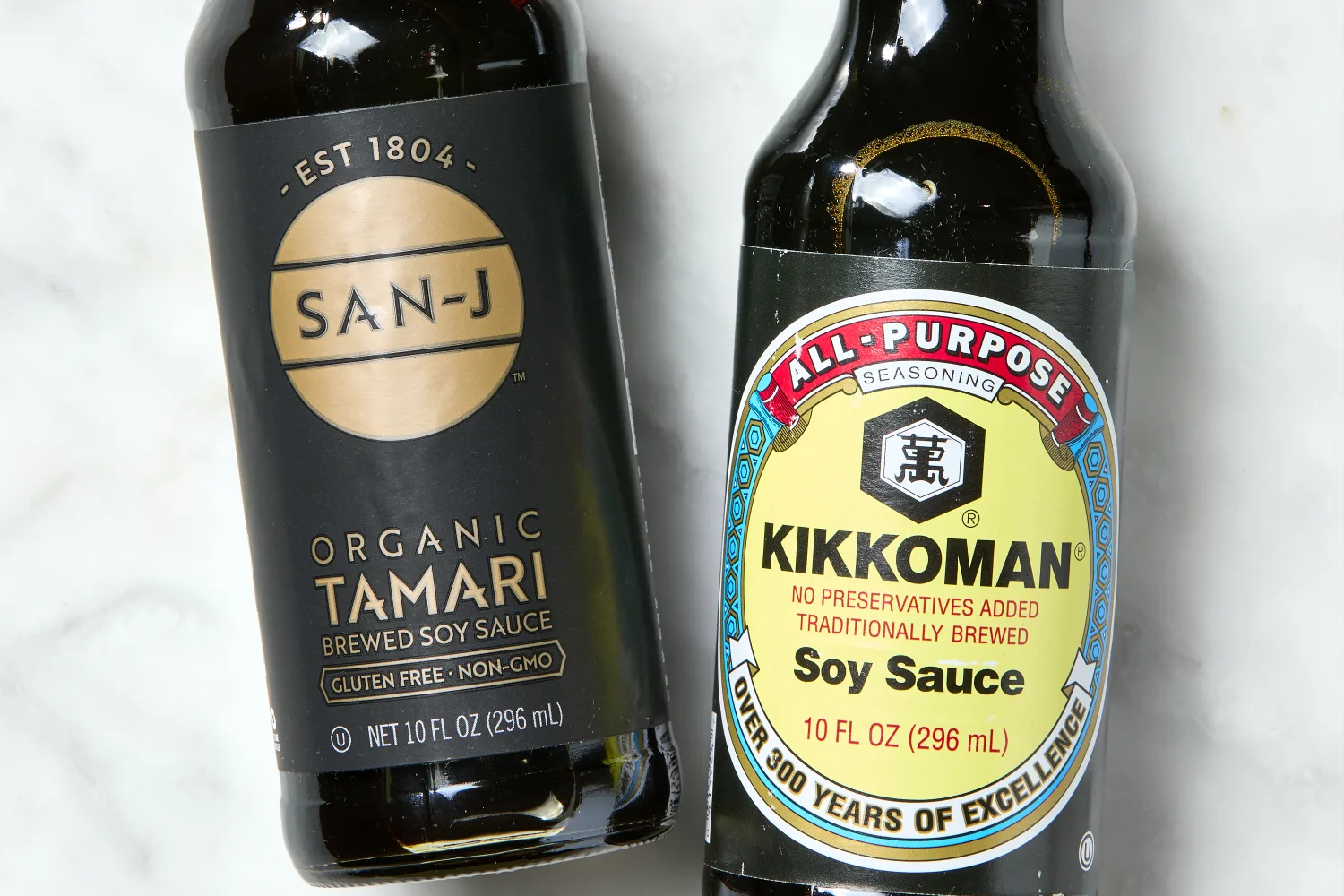
Finding the right tamari substitute can feel tricky, especially if you love the depth and balance tamari brings to your cooking. Whether you’re gluten-free, avoiding soy, or simply ran out of tamari mid-recipe, there are plenty of alternatives that can step in without compromising flavor. This guide covers everything you need to know about tamari, why substitutes matter, and the best replacements for different diets and dishes.
What Is Tamari and Why Look for a Substitute?
Tamari is a Japanese soy sauce made primarily from fermented soybeans with little to no wheat. It’s known for its smooth, rich taste that’s less salty and more balanced than traditional soy sauce. Many people prefer tamari for dipping sushi, seasoning stir-fries, and adding depth to soups.
So why would anyone need a tamari alternative?
- Gluten-free needs: While tamari is usually gluten-free, not all brands guarantee it.
- Soy allergies: Those who can’t tolerate soy need replacements.
- Availability and cost: Tamari can be harder to find or pricier than regular soy sauce.
- Recipe flexibility: Sometimes you want a different flavor profile to match a dish.
The Best Tamari Substitutes (Top Choices)
There isn’t a one-size-fits-all replacement for tamari. Instead, you’ll want to choose based on diet, taste, and recipe. Below are the most common and effective alternatives.
Soy Sauce (Regular and Low-Sodium)
Soy sauce is the closest substitute since it shares similar origins. However, it typically contains wheat, so it’s not always suitable for gluten-free diets. Low-sodium soy sauce works well when you want a milder flavor without overpowering saltiness.
Coconut Aminos
This gluten-free, soy-free sauce is made from fermented coconut sap. It’s milder and slightly sweeter than tamari, which makes it excellent for marinades, salad dressings, or lighter dishes. It’s a favorite among paleo and Whole30 followers.
Liquid Aminos
Brands like Bragg’s sell liquid aminos, a gluten-free seasoning derived from soy protein. The flavor is lighter and less salty than tamari but still provides a savory umami base. It works well in soups, vegetable dishes, and as a table condiment.
Worcestershire Sauce
This option has a tangy, complex taste thanks to vinegar, molasses, anchovies, and spices. It’s not a perfect match for tamari, but it works in small amounts for marinades, stews, and sauces that need an umami boost.
Fish Sauce
Fermented fish sauce is salty, pungent, and incredibly umami-rich. While it’s stronger than tamari, a few drops can elevate soups, curries, and stir-fries. It’s not vegan-friendly, but it’s excellent in Southeast Asian recipes.
Miso Paste (Diluted)
Miso paste, made from fermented soybeans and grains, can be thinned with water or broth to mimic tamari. It brings a deep earthy flavor that works beautifully in soups, dressings, and glazes.
Homemade Tamari Substitute
If you’re stuck without tamari, you can mix a quick replacement at home:
- ¼ cup soy sauce or coconut aminos
- 1 teaspoon rice vinegar
- Pinch of miso paste (optional)
This blend captures tamari’s salty, umami-rich character with a bit of tang.
Choosing the Right Tamari Substitute for Your Needs
Not every substitute works in every situation. Choosing wisely will help your dish taste balanced and authentic.
For Gluten-Free Cooking
- Best picks: Coconut aminos, liquid aminos.
- Both deliver savory depth without wheat.
For Soy-Free Diets
- Best picks: Coconut aminos, Worcestershire sauce, fish sauce.
- These let you skip soy completely while keeping flavor intact.
This For Vegan Diets
- Best picks: Coconut aminos, miso paste, gluten-free soy sauce.
- Avoid fish sauce or regular Worcestershire (unless you find vegan versions).
For Deep Umami Flavor
- Best picks: Miso paste, fish sauce.
- Both add complexity and richness that mimic tamari’s depth.
How to Use Tamari Substitutes in Recipes
Different dishes call for different substitutes. Here’s how to adjust based on what you’re cooking.
Soups and Broths
- Use miso paste or liquid aminos for warmth and complexity.
- Add substitutes slowly and taste as you go to avoid oversalting.
Marinades and Dressings
- Coconut aminos work perfectly here since their sweetness balances acidity.
- Worcestershire adds tang and depth for meat marinades.
Stir-Fries and Noodle Dishes
- Soy sauce is the easiest swap.
- Fish sauce can also work, but use sparingly.
Baking and Vegan Recipes
- Coconut aminos shine when you need a subtle, less salty alternative.
- They also work well in plant-based baking recipes where tamari might be too heavy.
Comparison Table of Tamari Substitutes
| Substitute | Gluten-Free | Soy-Free | Vegan | Flavor Profile | Best Uses |
| Soy Sauce | No | No | Yes | Salty, sharp | Stir-fries, marinades |
| Coconut Aminos | Yes | Yes | Yes | Sweet, mild | Dressings, dipping sauces |
| Liquid Aminos | Yes | No | Yes | Light, less salty | Soups, light dishes |
| Worcestershire | Sometimes | Yes | No | Tangy, savory | Meat marinades, sauces |
| Fish Sauce | Yes | No | No | Strong, umami | Asian dishes, broths |
| Miso Paste | Yes | No | Yes | Earthy, umami | Soups, sauces |
| Homemade Blend | Depends | Depends | Depends | Customizable | General use |
Tips for Adjusting Flavors When Using a Tamari Substitute
Switching ingredients often requires fine-tuning. To get the best results:
- Start small: Add a little at a time, then taste.
- Balance flavors: If your substitute is too sweet, add a splash of vinegar. If too salty, add a bit of water or lemon juice.
- Mix and match: Sometimes combining substitutes, like soy sauce and miso paste, brings you closer to tamari’s signature taste.
Frequently Asked Questions About Tamari Substitutes
Can I replace tamari with soy sauce in equal amounts?
Yes, but soy sauce is saltier. Use slightly less and taste test.
Is coconut aminos healthier than tamari?
Coconut aminos are lower in sodium and free of soy and gluten, making them a good choice for certain diets.
What’s the best substitute for sushi dipping?
Soy sauce or coconut aminos work best. For a richer flavor, try diluted miso paste.
Can I use fish sauce in vegan recipes?
No, but you can use vegan Worcestershire or coconut aminos instead.
Final Thoughts on Tamari Substitutes
Tamari is beloved for its rich, balanced flavor, but it isn’t always available or suitable for every diet. Thankfully, you have plenty of substitutes to choose from. Coconut aminos offer a mild, gluten-free, and soy-free option. Soy sauce provides the closest taste match. Miso paste and fish sauce bring deep umami character, while Worcestershire adds tangy complexity.
No substitute will taste exactly like tamari, but with a little experimentation, you can find the one that works best for your cooking style. Think of it less like a compromise and more like an opportunity to discover new flavors in your kitchen.











Leave a Reply