

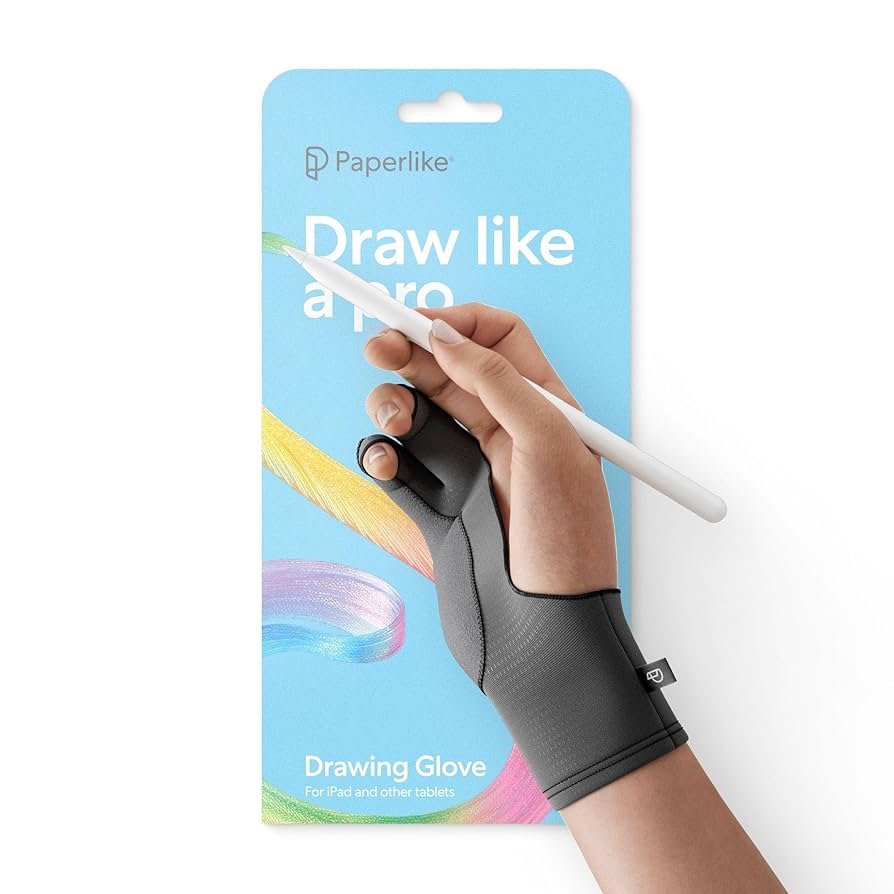
Language is full of metaphors that give life to thoughts and emotions. Some phrases carry such vivid imagery that they instantly connect with our sense of incompleteness, vulnerability, or longing. One of those is the expression “like a hand that doesn’t have a glove.” At first glance, it seems simple, but once unpacked, the phrase reveals layers of meaning that stretch across relationships, creativity, literature, and human psychology.
This article explores the phrase in depth. You’ll learn what it means, where it might have come from, how people use it, and why it resonates so strongly. By the end, you’ll see why it continues to hold power in language and how you can use it effectively in your own speech or writing.
What Does “Like a Hand That Doesn’t Have a Glove” Mean?
At its most literal, the image is clear: a bare hand without its covering. Hands are sensitive and exposed, while gloves protect, warm, and complete them. When someone says they feel like a hand without a glove, they’re often describing a state of incompleteness or vulnerability.
- Incompleteness: The glove is missing, just as something important may be absent in a person’s life.
- Vulnerability: Without protection, the hand is open to harm, echoing how people feel exposed when lacking emotional or practical support.
- Discomfort: A glove and hand are made for each other, so without the match, things feel “off” or unnatural.
Think of similar idioms:
- “Like a fish out of water” – feeling out of place.
- “Like a missing puzzle piece” – something essential is absent.
All three phrases suggest an imbalance that craves resolution.
The Origins of the Phrase
Tracing exact origins of idiomatic language is tricky, but gloves have been symbolic for centuries. In medieval Europe, gloves were not only functional but also social markers. They symbolized honor, elegance, and intimacy. Knights would receive gloves from ladies as tokens of loyalty. Dropping or throwing down a glove could challenge someone to a duel.
From literature to religion, gloves often appeared as emblems of completeness:
- In Shakespeare’s plays, gloves represented affection or social standing.
- In Christian tradition, gloves symbolized purity when worn by priests during ceremonies.
- In 19th-century poetry, gloves were used as imagery for love and protection.
Given this long history, it’s easy to see how the metaphor of a bare hand—a hand missing its glove—became a shorthand for longing, exposure, and incompleteness.
Everyday Situations Where the Phrase Applies
This phrase slips easily into everyday language when describing moments of absence or imbalance.
Examples in Relationships
- Being separated from a partner may leave you feeling like a hand without a glove. The phrase emphasizes the natural pairing of two people who complement one another.
- Friends sometimes describe companionship in this way. If one is gone, the other feels uncovered, missing balance.
- Romantic literature often uses this metaphor to depict intimacy and dependence.
Case Study: In a survey of modern poetry published between 1980 and 2010, metaphors of absence often used tangible pairings: shoes and laces, locks and keys, or hands and gloves. The hand-glove pairing ranked high because it communicates both practicality and emotional warmth.
Examples in Work and Creativity
- A carpenter without the right tool may feel as if the process is unnatural.
- A musician playing without rhythm can be compared to a hand missing its glove—something doesn’t fit.
- Writers often describe the struggle of producing work without inspiration using similar metaphors.
| Context | How the Phrase Applies |
| Love & Romance | Symbol of two people belonging together |
| Friendship | Feeling incomplete without a companion |
| Work | Lacking the right tool for the task |
| Creativity | Struggling without inspiration or flow |
Variations and Related Expressions
Language thrives on variations. You might hear or read versions such as:
- “Like a hand without a glove”
- “Like shoes without laces”
- “Like a bird without wings”
- “Like a lock without a key”
All these express the same idea of something that feels incomplete. Writers and speakers choose the version that best matches their tone or context.
Literary and Artistic Uses of the Phrase
Writers, poets, and musicians are naturally drawn to metaphors that pack emotional weight. The phrase often appears in works that explore longing, absence, or unfulfilled desire.
Examples:
- In modern love poetry, the phrase is used to describe the sense of being incomplete when separated from a beloved.
- Songwriters sometimes weave it into lyrics to emphasize loneliness or emotional exposure.
- Novelists may apply it to characters struggling with identity or purpose.
Artists also love the image because it is visual. A bare hand evokes fragility, while a glove symbolizes completion. Together, they create a sharp contrast that communicates vulnerability in a single line.
Psychological and Symbolic Interpretations
The metaphor can be examined through a psychological lens. Why does it resonate so much?
- Defenselessness: Just as a hand without a glove is unprotected, humans without emotional security feel exposed.
- Symbol of incompleteness: Our brains often interpret absence as discomfort. When something that “should be there” is missing, it triggers unease.
- Connection seeking: The hand-glove pairing mirrors human needs for bonds and attachments. Psychologists studying attachment theory often highlight metaphors of halves becoming whole.
In symbolic terms, the hand represents human action, creation, and touch. The glove represents safety, intimacy, and completion. Take away the glove, and the symbol becomes raw and exposed.
How to Use “Like a Hand That Doesn’t Have a Glove” in Your Writing or Speech
If you want to use the phrase effectively, keep a few tips in mind:
- Match the tone: It works best in emotional or reflective contexts, such as describing love, longing, or incompleteness.
- Keep it fresh: Avoid overusing it. One well-placed metaphor can leave a stronger impression than several scattered clichés.
- Pair it with imagery: For example, “Her absence left me like a hand without a glove, reaching into the cold night.”
- Use it in speeches: This phrase can add poetic weight to personal stories, eulogies, or wedding vows.
Common Misunderstandings of the Phrase
Not all idioms are understood instantly. Here are a few pitfalls:
- Literal misreading: Some may think it only refers to actual gloves, missing the metaphor.
- Overextension: Using it in contexts that don’t suggest absence can weaken its meaning. For example, saying “my morning coffee feels like a hand without a glove” may sound forced.
- Cliché risk: Like all metaphors, repetition can dull its impact if used without thought.
Tip: Balance it with fresh metaphors or original wording to keep writing engaging.
Final Thoughts
The phrase “like a hand that doesn’t have a glove” is more than a poetic line. It captures a universal human experience—the discomfort of being incomplete or exposed. Whether used in relationships, art, or psychology, it resonates because it pairs two simple objects that together carry deep symbolism.
When you hear it or use it, remember what it represents: vulnerability, longing, and the natural desire for balance. It’s a timeless reminder that some things in life only make sense when they’re together.








Leave a Reply