

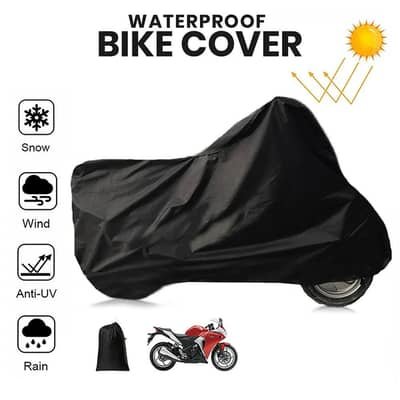
A Your bicycle is more than a means of getting around—it represents liberation with two wheels. Whether you own a sleek motorcycle or a simple city bicycle, keeping it in top condition matters. Rain, dust, and relentless sun can silently ruin your ride’s finish and mechanical parts. The simple yet powerful solution? A bike cover.
This complete guide explores how the right cover safeguards your bike from weather, theft, and time itself. You’ll learn how to choose the perfect type, avoid costly mistakes, and even discover a few smart maintenance tricks to make your investment last for years.
Why Every Rider Needs a Bike Cover
Leaving a bike exposed to the elements is like leaving your phone in the rain—damage is inevitable. A quality cover acts as a protective barrier against:
- UV rays that fade paint and crack seats
- Moisture that causes rust and corrosio
- Dust and debris that build up in gears and chains
- Bird droppings and tree sap that can stain and damage surfaces
Think of it as affordable insurance. A decent cover costs far less than repairing sun-faded paint or replacing rusted metal parts.
Case Study:
A commuter in Los Angeles used a waterproof polyester cover for his street-parked motorcycle. After 18 months, the bike’s chrome still gleamed, and the seat leather remained intact—while uncovered bikes nearby showed visible rust.
Quick Fact:
According to a survey by Motorcycle Consumer News, riders who consistently used covers reduced paint and finish damage by over 60% compared to those who didn’t.
Types of Bike Covers (and Which One You Actually Need)
Choosing a cover isn’t one-size-fits-all. The best type depends on where and how you store your bike.
Indoor vs. Outdoor Bike Covers
- Indoor covers focus on dust protection. They’re lightweight, breathable, and ideal for garage storage.
- Outdoor covers handle sun, rain, and pollution. These are made with UV-resistant, waterproof materials and often include heat shields or straps to prevent flapping.
If you park in a shared parking lot or under trees, an outdoor version offers better year-round protection.
Waterproof Bike Covers
Here’s the catch: not all “waterproof” covers truly are. Some repel light rain but fail under heavy downpours. Look for materials like polyester with PU or PVC coating, which repel water while allowing limited breathability.
Pro tip: avoid plastic-only options—they trap moisture inside, leading to condensation and mildew.
Heavy-Duty Motorcycle Covers
For riders who park outside long-term, a heavy-duty model is essential. These include:
- Heat-resistant panels for hot exhaust pipes
- Elastic hems and buckle straps for windy days
- Reflective strips for night visibility
These details prevent flapping, tearing, and accidental melting.
Lightweight Bicycle Covers
Cyclists often prefer portable covers that fold into a backpack. Lightweight versions made of ripstop nylon or 210D polyester are perfect for daily commuters. They protect from dust and light rain while remaining compact enough for travel.
How to Choose the Best Bike Cover for Your Ride
Finding the perfect fit involves more than picking a size. Let’s break down the essentials.
Check the Material Quality
A strong material determines how long your cover lasts. Here’s a quick breakdown:
| Material | Advantages | Drawbacks |
| Polyester (300D–600D) | Durable, UV-resistant, lightweight | May need extra waterproof coating |
| Nylon | Lightweight, breathable | Tears easily if not reinforced |
| PVC-Coated Fabric | Fully waterproof | Heavy, less breathable |
| Oxford Cloth | Premium strength, weatherproof | Slightly pricier |
Breathability is key. Non-breathable covers trap humidity, leading to rust and mold growth.
Fit and Sizing Matter
Too loose, and the cover becomes a wind sail. Too tight, and it might rip. Measure from the front wheel to the rear, including handlebars and mirrors. Most covers come in standard sizes (S–XXL), but adjustable drawstrings or buckles ensure a snug fit.
Extra Features That Make a Difference
Look beyond material—features elevate performance.
- Lock holes deter theft by securing the cover through your bike’s lock
- Ventilation flaps prevent condensation
- Elastic hems improve fit
- Heat shields protect from hot exhausts
- Reflective strips improve night visibility
These small details transform an average cover into a long-term investment.
Top Benefits of Using a Bike Cover Daily
- Prevents corrosion and rust – Water and air exposure are rust’s best friends.
- Protects from UV damage – Sunlight weakens paint and plastic.
- Saves cleaning time – Less dust and dirt mean fewer washes.
- Hides your bike – Concealment deters theft by removing visual temptation.
- Prolongs lifespan – Every part, from rubber tires to chrome handlebars, benefits.
Using a cover daily is like applying sunscreen for your bike—simple, effective, and protective.
Common Mistakes People Make When Buying a Bike Cover
Even seasoned riders get this wrong. Avoid these pitfalls:
- Buying the wrong size – Always measure twice.
- Choosing the cheapest option – Low-quality stitching fails quickly.
- Ignoring breathability – Moisture trapped under the cover leads to internal rust.
- Skipping UV protection – Unprotected materials degrade fast in sunlight.
A good tip is to look for double-stitched seams and reinforced grommets—they’re signs of a reliable product.
Maintenance Tips – How to Keep Your Bike Cover in Top Shape
Cleaning and Storing Your Bike Cover
A dirty cover won’t protect your bike. Follow these steps:
- Shake off debris after every use.
- Hand wash using mild soap and cold water. Avoid harsh detergents.
- Air dry completely before folding to prevent mold.
- Keep it in a cool, dark location when it’s not being used.
Never machine dry—it can destroy the waterproof coating.
When to Replace Your Bike Cover
Over time, UV rays weaken fabric fibers. Replace your cover if you notice:
- Fading colors
- Cracks or peeling layers
- Loss of elasticity
- Water seeping through during rain
Typically, a high-quality outdoor model lasts 2–3 years with regular care.
The Best Bike Covers in 2025 (Comparison Table)
Here’s a snapshot of the top-rated options this year:
| Brand | Material | Best For | Key Features | Price Range |
| XYZ Shield | 600D polyester | Outdoor motorcycles | Waterproof, UV-protected, lock holes | $$ |
| AeroGuard | Ripstop nylon | Indoor bicycles | Lightweight, breathable, foldable | $ |
| StormWrap | PVC-coated Oxford | All-weather riders | Heat shield, reflective strips | $$$ |
| DryVault | 300D polyester | Compact commuters | Quick-dry, anti-dust, compact bag | $ |
| SunDefender | 420D Oxford cloth | Year-round storage | Double stitching, ventilation panels | $$ |
Prices and availability may vary by retailer. Always check for updated specifications before buying.
DIY Bike Cover Alternatives (When You’re on a Budget)
If you’re saving up or need a quick fix, a homemade solution can work temporarily.
Budget-Friendly Ideas:
- Tarps – Affordable but need tying down to avoid flapping.
- Old bedsheets – Offer dust protection indoors, not weatherproof.
- Raincoats or shower curtains – Waterproof, but prone to tearing.
How to Improve Homemade Covers:
- Spray with fabric waterproofing spray.
- Add elastic cords or clips to secure edges.
- Store indoors to avoid excessive sun exposure.
While these solutions aren’t long-term, they can protect your ride in a pinch.
FAQs About Bike Covers
- Are covers fully waterproof?
Not always. Some are water-resistant, meaning they handle light rain but not storms. Always check the material type and waterproof rating. - Can I use a motorcycle cover on my bicycle?
Yes, if it fits properly. Just ensure the cover isn’t too heavy or tight. - Will covers scratch my paint?
Only if dirt is trapped underneath. Always wipe your bike before covering it. - What’s the best material for year-round protection?
Polyester or Oxford fabric with UV and waterproof coatings work best outdoors. - How do I prevent condensation?
Choose covers with ventilation flaps and breathable fabrics.
Final Thoughts – Protect Your Bike, Preserve Your Investment
A bike cover is more than fabric—it’s a shield against time, weather, and wear. Whether you store your motorcycle in an open lot or your bicycle in a small apartment, protection matters. Investing in a durable, well-fitted cover not only maintains appearance but also preserves performance.
As the saying goes, “Take care of your bike, and it’ll take care of you.” A little protection today saves a lot of trouble tomorrow.
Related Resources
- Top Motorcycle Maintenance Tips for All Riders
- Outdoor Storage Hacks for Bicycles
- Essential Motorcycle Accessories in 2025










Leave a Reply