

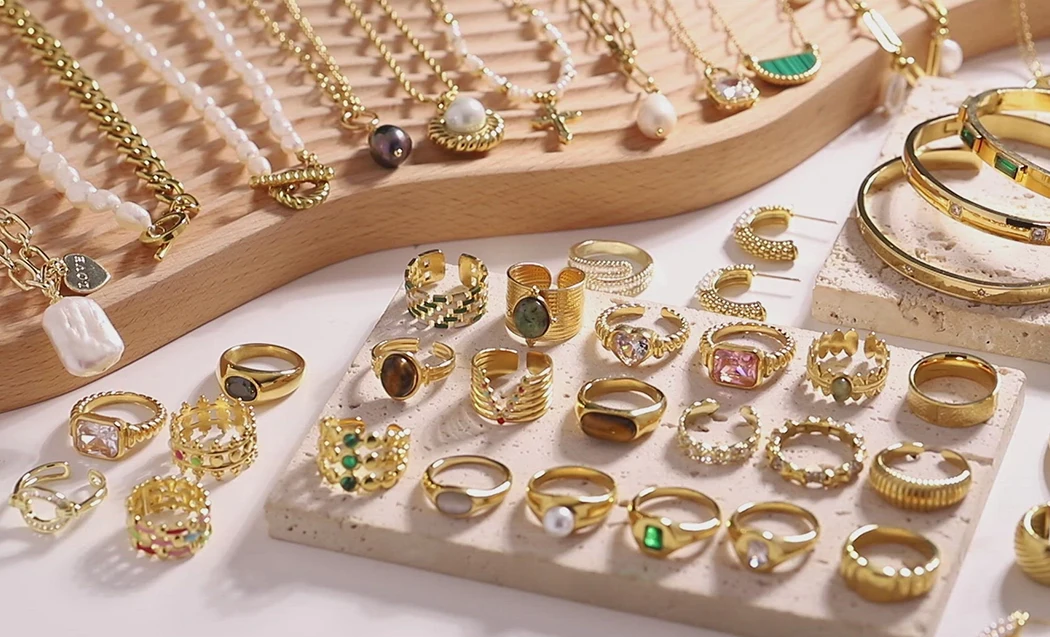
In the ever-evolving world of fashion accessories, stainless steel jewelry has quietly become a global favorite. It offers a unique combination of durability, affordability, and modern sophistication that appeals to both men and women. Whether it’s a minimalist ring, a sleek chain, or a pair of timeless earrings, stainless steel has redefined what it means to wear affordable luxury.
Let’s explore everything you need to know about this modern metal—from its origin and properties to care tips, comparisons, and style advice.
What Is Stainless Steel Jewelry?
At its core, stainless steel is an iron-based alloy containing chromium, nickel, and other trace elements. These components create a metal that resists corrosion and tarnish, giving it a permanent shine. While it was initially used for surgical instruments and kitchenware, jewelry designers quickly realized its potential for creating long-lasting, affordable pieces that retain their beauty for years.
A Brief History
Stainless steel entered the jewelry scene in the late 20th century. It was first used in men’s accessories like watches and bracelets, valued for its masculine appeal and industrial look. Today, it’s everywhere—from minimalist women’s jewelry to luxury designer collections.
Common Types
There are several grades of stainless steel, but 316L (also called surgical steel) is the most popular in jewelry. It’s hypoallergenic, rust-resistant, and easy to polish, making it ideal for everyday wear.
Common uses include:
- Rings and wedding bands
- Necklaces and chains
- Bracelets and bangles
- Earrings and body jewelry
- Watches and pendants
Why Stainless Steel Jewelry Is So Popular
Durability That Lasts a Lifetime
Unlike silver or gold, which can easily scratch or bend, stainless steel is incredibly strong. It’s designed to withstand daily wear—whether you’re at the gym, swimming, or working long hours. In a comparison test by Jewelry Insider, stainless steel showed three times more scratch resistance than sterling silver.
Fact: Stainless steel has a hardness rating of 5–6 on the Mohs scale, while silver scores around 2.5–3.
That means your favorite bracelet or ring stays smooth and polished much longer.
Hypoallergenic and Skin-Friendly
For people with sensitive skin, stainless steel is a game-changer. It’s nickel-safe and doesn’t trigger allergic reactions like cheaper plated jewelry often does. Surgical-grade steel (316L) is the same material used in medical implants, so you can wear it without worrying about irritation.
| Material | Hypoallergenic | Tarnish-Resistant | Average Lifespan |
| Stainless Steel | Yes | Yes | 10+ years |
| Sterling Silver | Sometimes | No | 5–7 years |
| Gold-Plated | No | No | 1–2 years |
Affordable Luxury
Not everyone wants to spend hundreds on accessories, yet everyone loves looking stylish. Stainless steel offers the look of white gold or platinum without the hefty price tag. High-end jewelry brands now use it to create luxury-inspired pieces at a fraction of the cost.
Case Study: In 2023, minimalist jewelry brand Mejuri introduced a stainless steel line that sold out within two weeks—proving the demand for elegant yet affordable accessories.
Stainless Steel Jewelry vs Other Metals
Stainless Steel vs Sterling Silver
Both metals share a similar silvery-white shine, but their properties differ greatly. Silver requires constant polishing to prevent tarnish, while stainless steel keeps its gleam with minimal maintenance.
| Feature | Stainless Steel | Sterling Silver |
| Shine | Bright and reflective | Warm and soft |
| Maintenance | Very low | High |
| Durability | Extremely durable | Prone to scratches |
| Price | Affordable | Moderate to high |
Silver still wins on tradition and collectibility, but for practicality, stainless steel is unbeatable.
Stainless Steel vs Gold-Plated Jewelry
Gold-plated pieces may look luxurious initially, but the plating often wears off after a few months of wear. Stainless steel, on the other hand, maintains its finish for years—even with constant exposure to water and sweat.
Stainless Steel vs Titanium
Titanium is lighter and slightly stronger, but stainless steel wins on affordability and polishability. Titanium has a matte finish, while steel offers a reflective surface ideal for statement pieces.
Types of Stainless Steel Jewelry
Rings
These are especially popular for wedding bands and fashion accessories. Unlike softer metals, stainless steel rings hold engravings well and don’t deform under pressure. Many men prefer them for their modern industrial aesthetic.
Necklaces and Pendants
From bold Cuban chains to delicate pendants, stainless steel necklaces offer versatility. They resist tarnishing even when exposed to sweat, perfume, or water, making them perfect for daily wear.
Trending Styles:
- Cuban and rope chains
- Minimalist bar pendants
- Dog tags and lockets
- Layered chain looks
Bracelets and Bangles
Whether you prefer chunky cuffs or sleek designs, stainless steel bracelets balance elegance and toughness. Many come with adjustable clasps or engraving options, ideal for personalized gifts.
Earrings
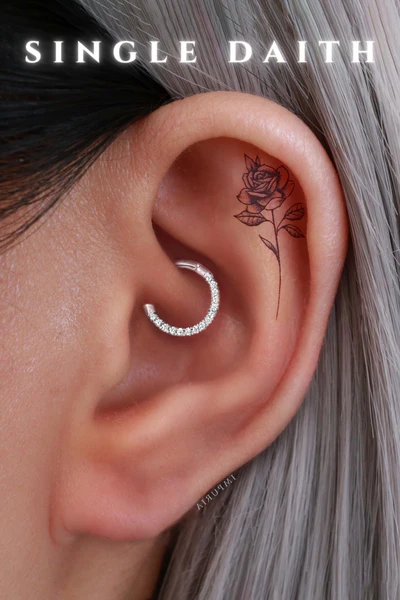
Stainless steel earrings are hypoallergenic, lightweight, and ideal for daily wear. They come in endless shapes—from minimalist studs to statement hoops.
Care and Maintenance of Stainless Steel Jewelry
Cleaning Tips
Keeping stainless steel accessories clean is simple. Here’s a quick home method:
- Mix mild soap with warm water.
- Soak your jewelry for 5 minutes.
- Gently scrub with a soft toothbrush.
- Rinse thoroughly and dry with a microfiber cloth.
Stay away from strong chemicals such as bleach or ammonia, as they may lessen the sheen. For extra shine, polish with a jewelry cloth once a month.
Storage Advice
To prevent scratches, store each piece separately in a soft pouch or lined box. Keep them away from extreme humidity or direct sunlight to maintain their luster.
The Sustainability and Eco-Friendliness of Stainless Steel Jewelry
One major reason for the rise of stainless steel in fashion is its sustainability. Unlike gold or silver mining—which damages ecosystems—stainless steel is 100% recyclable. Old pieces can be melted down and reused without losing quality.
Environmental experts note that stainless steel has one of the lowest carbon footprints among jewelry metals. Many ethical brands now use recycled steel, reducing waste and promoting a more sustainable jewelry market.
Styling Tips: How to Wear Stainless Steel Jewelry
The beauty of this metal lies in its versatility. It complements every outfit and occasion—from formal events to casual weekends.
Style ideas:
- Pair a stainless steel chain with a crisp white shirt for a clean, urban look.
- Stack mixed-metal rings (steel with gold or rose gold tones) for contrast.
- Match bracelets with a watch to create a balanced wrist aesthetic.
- For women, layering pendant necklaces adds depth to any neckline.
Pro Tip: Don’t be afraid to mix metals. Combining stainless steel with gold accents gives a chic, high-end appearance.
Quote:
“Good jewelry isn’t about price—it’s about how confidently you wear it.” — Anonymous
Where to Buy High-Quality Stainless Steel Jewelry
When buying, always check for 316L or 304-grade stainless steel. These grades are hypoallergenic and resistant to corrosion. Be cautious of overly cheap pieces, as low-grade steel may contain higher nickel levels.
Trusted online sources include:
- Etsy — Handmade and custom stainless steel designs.
- Amazon — Wide variety and verified customer reviews.
- Mejuri — High-end minimalist steel collections.
- Cernucci — Trendy urban jewelry for men and women.
Buyer’s checklist:
- Confirm metal grade (preferably 316L).
- Check polish and finish quality.
- Verify seller authenticity and return policies.
Common Myths About Stainless Steel Jewelry
- “It looks cheap.”
High-quality stainless steel can look just as luxurious as white gold or platinum when well-polished. - “It tarnishes easily.”
False—stainless steel is tarnish-resistant due to its chromium layer, which prevents oxidation. - “It’s not real jewelry.”
The fashion industry now embraces stainless steel for its durability, eco-friendliness, and modern appeal. Many luxury designers include it in premium collections.
Final Thoughts — Why Stainless Steel Jewelry Belongs in Every Collection
If you want jewelry that’s affordable, durable, and stylish enough for everyday wear, stainless steel is a clear winner. It merges practicality with elegance and proves that luxury doesn’t have to come with a heavy price tag.
In summary:
- It’s durable and scratch-resistant.
- It’s hypoallergenic and skin-safe.
- It’s affordable, eco-friendly, and easy to maintain.
From bold men’s chains to delicate women’s rings, stainless steel continues to dominate the jewelry world. If you haven’t yet added a few pieces to your collection, now is the perfect time.
Explore this timeless metal—where modern design meets lasting strength.
FAQs
- Does stainless steel tarnish or rust?
No. It contains chromium, which forms a protective layer that resists tarnish and rust. - Can I shower or swim while wearing it?
Yes, but prolonged exposure to saltwater or chlorine should be avoided for best results. - Is it good for sensitive skin?
Absolutely. Surgical-grade steel (316L) is hypoallergenic and safe for all skin types. - How long does it last?
With minimal care, it can last for decades without losing its shine. - Can I polish dull pieces?
Yes. Use a soft jewelry cloth or a bit of toothpaste to restore brilliance.
In the end, stainless steel jewelry isn’t just a trend—it’s a smart choice for anyone who values durability, design, and effortless sophistication.






Leave a Reply