


Stainless steel is one of the most popular materials in modern life—found in everything from kitchen appliances and jewelry to skyscrapers and surgical tools. Its bright, mirror-like surface seems almost immune to time and wear. But one question still puzzles many: does stainless steel tarnish?
Let’s uncover the science behind this durable metal, why it resists tarnish better than most materials, and what you can do to keep it gleaming for years.
What Is Stainless Steel? A Quick Breakdown
To understand why stainless steel resists tarnish, it helps to know what it’s made of. Stainless steel isn’t a single metal—it’s an alloy, a blend of iron mixed with elements like chromium, nickel, and sometimes molybdenum.
The hero here is chromium. When stainless steel contains at least 10.5% chromium, it forms a thin invisible film called chromium oxide on the surface. This layer prevents oxygen from reacting with the metal underneath, protecting it from corrosion and discoloration.
Here’s a quick breakdown of common stainless steel types and their resistance levels:
| Type of Stainless Steel | Chromium (%) | Nickel (%) | Tarnish Resistance |
| 304 (Kitchen Grade) | 18–20 | 8–10.5 | Excellent |
| 316 (Marine Grade) | 16–18 | 10–14 | Superior |
| 430 (Decorative) | 16–18 | 0 | Moderate |
Each grade has different properties. For example, 316 stainless steel is ideal for marine environments because it includes molybdenum, which adds extra resistance to salt and moisture.
Does Stainless Steel Tarnish? The Science Explained
The short answer: not easily. Stainless steel is famously resistant to tarnish, but that doesn’t mean it’s indestructible.
Tarnish is a form of surface oxidation—similar to rust but less severe. It appears as a dull film, often yellowish or brown, caused by reactions between metal and oxygen, moisture, or pollutants.
The chromium oxide layer on stainless steel acts as a self-healing shield. When scratched or damaged, it repairs itself as long as oxygen is present. However, if this layer is compromised—by harsh chemicals, heat, or salt—tarnish can occur.
In simple terms:
Stainless steel doesn’t tarnish under normal conditions, but poor maintenance or harsh exposure can dull its shine.
What Causes Stainless Steel to Tarnish or Discolor?
Even though it’s tough, stainless steel isn’t invincible. Several factors can weaken its protective layer and cause minor discoloration.
1. Exposure to Harsh Chemicals
Bleach, chlorine, and strong acidic cleaners are enemies of stainless steel. These substances can strip away the protective chromium oxide layer, allowing oxidation to set in.
For example, cleaning a stainless steel sink with bleach can cause faint rainbow-like stains that are difficult to remove. Over time, that dullness worsens.
2. Saltwater and High Humidity
Coastal environments are particularly harsh on metal. Salt acts as an electrolyte, speeding up the corrosion process. Even marine-grade steel (316) can show minor discoloration after years of salt exposure.
If you live near the ocean, regular rinsing and drying can significantly extend the lifespan of your stainless steel items.
3. Heat and Air Pollutants
High temperatures can lead to heat tint, a discoloration caused by oxidation when stainless steel is exposed to heat above 400°C (752°F). You might notice this on cookware, grills, or exhaust systems.
Similarly, polluted air with sulfur or nitrogen compounds can slowly tarnish outdoor fixtures.
Does Stainless Steel Jewelry Tarnish?
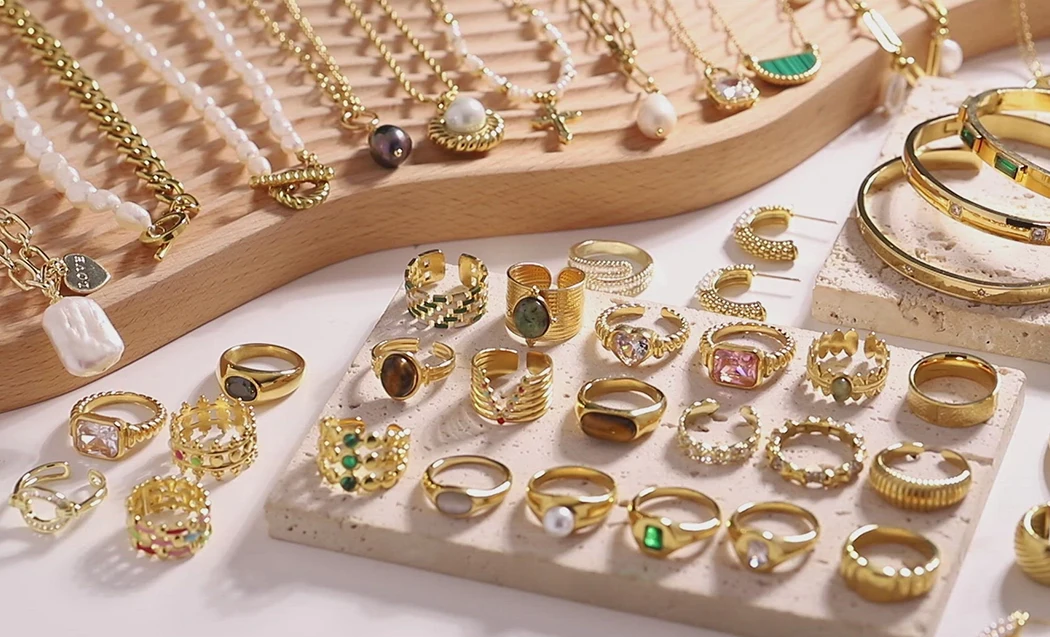
Jewelry made from stainless steel—especially grades like 316L—is highly resistant to tarnish and rust. It’s hypoallergenic, durable, and affordable, which makes it a favorite alternative to silver or gold.
However, exposure to sweat, lotions, and perfumes can cause a slight dullness over time. The good news? It’s easily restored with gentle cleaning.
Mini Case Study:
A 316L stainless steel ring and a sterling silver ring were exposed to daily wear for six months. The silver ring developed dark tarnish marks that required regular polishing. The stainless steel ring, on the other hand, maintained its shine with only occasional rinsing.
Key takeaway: Stainless steel jewelry resists tarnish far better than most metals—but it still benefits from simple care.
Quick Tips to Keep Jewelry Gleaming:
- Wipe jewelry with a soft cloth after wearing.
- Avoid direct contact with perfumes or chlorinated water.
- Store in a dry place, ideally in a soft pouch.
Does Stainless Steel Tarnish in Water or Air?
In Water
Fresh water usually won’t tarnish stainless steel. However, chlorinated or salty water can cause mild surface oxidation over time. Hard water stains or limescale can also make the surface appear dull.
To prevent this, rinse items with clean water after exposure and dry them immediately.
In Air
Normal air poses no threat, but polluted air or humid environments can cause slow discoloration. Outdoor furniture, railing, or sculptures made of stainless steel may develop a slightly matte finish over years of exposure.
Everyday Household Examples
- Kitchen appliances stay shiny because they’re regularly cleaned and dried.
- Outdoor grills often show heat tints or rainbow discoloration.
- Bathroom fixtures can get dull due to moisture and cleaning chemicals.
A little preventive care keeps all of these looking new.
How to Clean and Prevent Stainless Steel Tarnish
Proper maintenance is the secret to keeping stainless steel spotless and bright. Here’s how to clean and protect it effectively:
Step-by-Step Cleaning Guide
- Start simple: Wipe with warm water and mild dish soap.
- For stubborn spots: Use a paste of baking soda and water or white vinegar.
- Polish: Rub gently along the grain using a microfiber cloth.
- Dry completely: Prevent water spots or mineral buildup.
- Optional: Apply stainless steel polish for a lasting shine.
Homemade vs. Commercial Cleaners
| Cleaner Type | Effectiveness | Cost | Best For |
| Baking Soda + Vinegar | Moderate | Low | Light tarnish |
| Stainless Steel Polish | High | Medium | Appliances, jewelry |
| Lemon Juice + Olive Oil | Moderate | Low | Natural alternative |
Avoid abrasive tools like steel wool or rough scrubbers—they can scratch the surface and destroy the protective layer.
Myths and Facts About Stainless Steel Tarnishing
Myth 1: Stainless steel never tarnishes.
Fact: It resists tarnish but isn’t immune, especially when exposed to harsh environments.
Myth 2: Once tarnished, it can’t be restored.
Fact: Most discoloration is surface-level and can be polished away easily.
Myth 3: All stainless steels are equally resistant.
Fact: Grades like 316 and 304 offer better resistance than cheaper types like 430.
Myth 4: You need expensive cleaners to maintain shine.
Fact: Mild soap, vinegar, and a soft cloth often do the trick.
Expert Tips for Long-Lasting Stainless Steel Shine
Here’s what metal specialists and jewelers recommend for keeping your stainless steel flawless:
- Clean regularly: Weekly wiping prevents buildup.
- Avoid chlorine: Never use bleach or pool water.
- Rinse after contact with salt: Especially for jewelry or marine applications.
- Polish with microfiber: Keeps the surface mirror-bright.
- Store properly: For jewelry, use airtight boxes to reduce humidity.
A jewelry expert once said:
“Stainless steel doesn’t just resist tarnish—it rewards care. The more you maintain it, the longer it dazzles.”
Stainless Steel vs. Other Metals: Tarnish Comparison
Let’s see how stainless steel stacks up against other common metals:
| Metal | Tarnish Resistance | Maintenance Level | Common Use |
| Stainless Steel | Excellent | Low | Appliances, Jewelry |
| Silver | Poor | High | Jewelry, Cutlery |
| Brass | Moderate | Medium | Decor, Instruments |
| Copper | Poor | High | Pipes, Ornaments |
As you can see, stainless steel outshines the rest in both durability and maintenance. It’s a perfect balance of form and function.
Frequently Asked Questions About Stainless Steel Tarnish
- Does stainless steel tarnish in saltwater?
Yes, but slowly. Marine-grade steel (316) resists it best. Always rinse and dry after exposure. - Can stainless steel turn black or yellow?
Sometimes heat or pollutants can cause rainbow or yellow tints. Gentle polishing removes them easily. - How can I restore tarnished stainless steel?
Use a soft cloth with vinegar or baking soda paste, then polish along the grain. - Does stainless steel rust as well as tarnish?
It can, but only if the protective layer is destroyed. Proper care prevents rust completely. - How can I tell if my stainless steel is real?
Real stainless steel doesn’t attract magnets easily (especially 304 and 316 grades) and won’t rust when exposed to moisture.
Conclusion
So, does stainless steel tarnish? Not under normal conditions. Its chromium oxide layer guards against oxidation and keeps it looking pristine. But like all metals, it appreciates a little care.
Regular cleaning, avoiding harsh chemicals, and drying after use will ensure your stainless steel—whether in jewelry, appliances, or architecture—remains brilliant for decades.
In short: stainless steel doesn’t just shine; it endures.
Treat it well, and it’ll reward you with a timeless glow that never fades.







Leave a Reply