

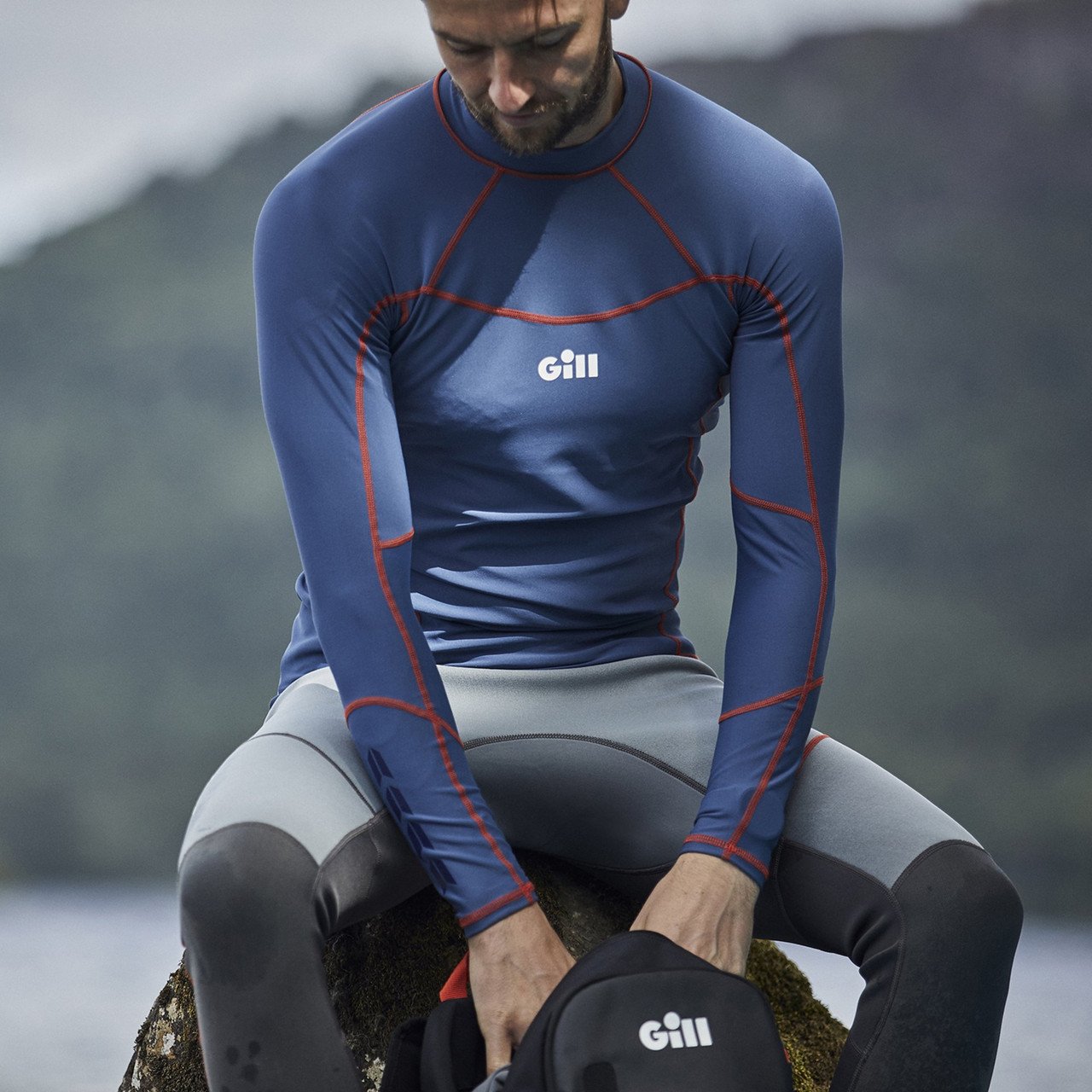
Wearing a rash guard is supposed to protect your skin, yet many people end up with an itchy, red rash after long hours in the water or during sports training. If you’ve ever wondered why a garment designed to prevent irritation can actually cause it, you’re not alone. Understanding the reasons behind this issue can save you from discomfort and help you make smarter choices when it comes to gear and skin care.
This comprehensive guide explains everything you need to know about a rash from rash guard—its causes, symptoms, prevention strategies, and treatments. You’ll also find tips on choosing the best rash guards, real-life cases, and expert recommendations.
What Is a Rash Guard and Why Wear One?
A rash guard is a snug-fitting athletic top, usually made from synthetic blends like polyester, spandex, or nylon. It originated as surf wear to protect against board wax irritation, but today it’s widely used in:
- Surfing and swimming for UV protection.
- Martial arts like Brazilian Jiu-Jitsu (BJJ) to prevent mat burns.
- Diving and snorkeling as a thermal layer.
- Fitness training for comfort and sweat-wicking.
The advantages are clear: rash guards protect against sunburn, abrasions, and minor injuries. However, the irony is that this same protective garment can sometimes trigger the very problem it claims to prevent.
Why Do You Get a Rash from Rash Guard?
Common Causes
- Friction and Chafing
Rash guards fit tightly. When combined with repetitive movements like paddling, grappling, or swimming, the fabric rubs against the skin, causing irritation. - Moisture and Sweat Buildup
Wet fabrics trap sweat, salt, or chlorine. This creates the perfect environment for skin irritation and bacterial growth. - Heat Rash
Synthetic fabrics aren’t always breathable. Heat and trapped sweat can lead to blocked sweat glands, causing small red bumps. - Allergic Reactions
Some individuals are sensitive to dyes, chemicals, or elastic fibers. In these cases, wearing a rash guard triggers contact dermatitis.
Risk Factors
Certain conditions increase the chances of developing a rash:
- Wearing the garment for prolonged periods without breaks.
- Not rinsing off after exposure to saltwater or chlorine.
- Having sensitive skin or eczema.
- Using low-quality fabrics with rough seams or poor stitching.
Symptoms of Rash from Rash Guard
A rash from wearing a rash guard looks different depending on the cause, but the most common signs include:
- Redness and irritation.
- Itchy patches.
- Tiny blisters or bumps.
- Burning or stinging sensations.
To make it easier, here’s a quick comparison:
| Type of Rash | Typical Symptoms | Triggered By |
| Rash Guard Irritation | Redness, itching, mild bumps | Friction, sweat, poor fabric |
| Heat Rash | Small red pimples, prickly feeling | Overheating, blocked sweat glands |
| Allergic Dermatitis | Itchy, inflamed, sometimes swollen | Reaction to fabric dyes or materials |
How to Prevent Rash from Rash Guard
Choosing the Right Rash Guard
Selecting the right material and design can make all the difference. Look for:
- Moisture-wicking fabrics that dry quickly.
- Flatlock seams that reduce friction.
- UPF-rated protection for sun safety.
- Correct sizing—avoid rash guards that are too tight or too loose.
Skin Care Before Wearing
Proper skin preparation helps prevent irritation:
- Apply anti-chafing balms or petroleum jelly to sensitive areas.
- Use moisture-wicking underlayers if prone to skin issues.
- Stay hydrated, since sweat with high salt content increases irritation.
Post-Use Care
Rash prevention doesn’t end after activity. Always:
- Rinse off saltwater, chlorine, or sweat immediately.
- Wash the garment with a gentle detergent to remove residues.
- Let it air-dry completely before wearing again.
How to Treat Rash from Rash Guard
Home Remedies
Mild cases can usually be treated at home:
- Cleanse the area with cool water and mild soap.
- Apply aloe vera gel or calamine lotion for soothing relief.
- Use over-the-counter hydrocortisone cream to reduce inflammation.
- Avoid scratching, as it worsens irritation and can lead to infection.
When to See a Doctor
Seek professional care if:
- The rash spreads or intensifies.
- There’s significant swelling, pus, or fever.
- You suspect a serious allergic reaction.
Tip from dermatologists: If you frequently develop rashes from compression wear, get a patch test done to check for textile allergies.
Best Rash Guards to Avoid Skin Irritation
Not all rash guards are created equal. High-quality designs minimize irritation. Key features to look for include:
- Breathable fabrics (polyester-spandex blends often outperform cheaper nylon).
- Flat seams and smooth stitching.
- Quick-dry technology.
- Four-way stretch for mobility.
Here’s a fabric comparison:
| Fabric Type | Pros | Cons |
| Cotton | Soft, breathable | Holds water, heavy when wet |
| Polyester | Lightweight, quick-drying, durable | Can trap heat in humid climates |
| Spandex | Flexible, snug fit | May cause allergic reactions |
| Blends | Balance of comfort and function | Quality varies by manufacturer |
Case Study: Surfer vs. Martial Artist
To highlight how different activities affect rash development, let’s compare two real-life scenarios:
- Surfer in Hawaii
A daily surfer wore a nylon rash guard for hours. Saltwater and long sessions caused underarm rashes. Switching to a breathable polyester-spandex blend with flat seams resolved the issue. - Brazilian Jiu-Jitsu Athlete
A BJJ practitioner experienced chest irritation after training in a compression rash guard. Washing the gear with fragrance-free detergent and applying anti-chafing balm before practice prevented future flare-ups.
These examples show that both the sport and the garment choice directly influence skin comfort.
Frequently Asked Questions about Rash from Rash Guard
Can rash guards cause skin allergies?
Yes. Some fabrics or dyes may trigger allergic dermatitis in sensitive individuals.
How long does the rash usually last?
Mild irritation fades within a few days with proper care. Allergic reactions may take longer.
Can kids get rashes from rash guards?
Absolutely. Children often have more sensitive skin, making them prone to irritation. Choosing soft, breathable fabrics is key.
Is sunscreen still needed under a rash guard?
Yes, especially on exposed areas. However, a UPF-rated rash guard reduces the need for heavy sunscreen application.
Final Thoughts on Rash from Rash Guard
A rash from rash guard may seem ironic, but the issue is common among surfers, swimmers, martial artists, and athletes. The main culprits are friction, moisture, heat, and sometimes allergic reactions. The good news is that most cases are preventable with the right gear, proper skin care, and post-activity hygiene.
If you’ve experienced irritation, take time to evaluate your gear and routine. Investing in a high-quality rash guard, treating your skin well, and staying mindful of fit and fabric can keep you rash-free and focused on your performance.








Leave a Reply