

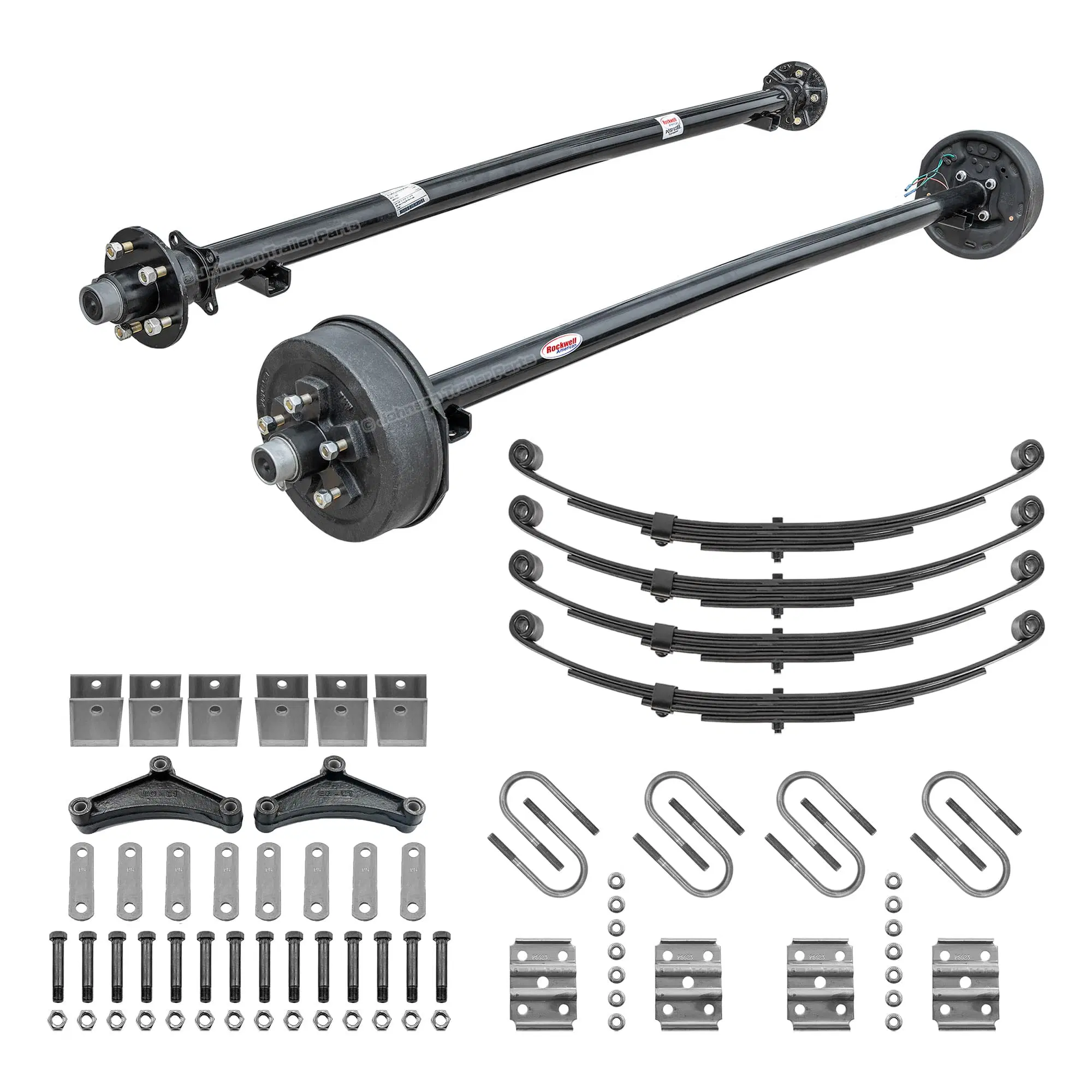
When it comes to hauling heavy loads, safety and stability matter just as much as power. That’s where the tandem axle comes in. You’ve probably seen trailers, RVs, or trucks with two sets of wheels instead of just one. This design isn’t just for looks — it’s engineered to handle more weight, provide smoother rides, and ensure longer-lasting durability on the road. Whether you’re considering buying a tandem axle trailer, comparing it with a single axle, or simply curious about how it works, this guide will cover everything you need to know.
What Is a Tandem Axle?
Definition of Tandem Axle
A tandem axle refers to a trailer or vehicle that uses two axles placed close together to distribute weight across four or more wheels. Unlike a single axle, which only has one set of wheels, tandem axles split the load between both axles, reducing strain and increasing carrying capacity.
For example, a small single axle utility trailer might only carry 2,000–3,000 pounds, but a tandem axle trailer can often handle 5,000–10,000 pounds or more depending on its build.
How Tandem Axles Work
By spreading the load between two axles, the pressure on each tire is reduced. This not only prevents blowouts but also creates a smoother, more stable ride. Suspension systems (such as leaf spring or torsion) further absorb shocks, making tandem axles ideal for long-distance hauling.
Think of it like walking on sand: stepping barefoot with one foot sinks deep, but standing with both feet distributes weight and keeps you balanced. Tandem axles function in a similar way.
Advantages of Tandem Axles
Greater Load Capacity
One of the biggest reasons people choose tandem axles is their ability to haul heavier loads.
| Feature | Single Axle Trailer | Tandem Axle Trailer |
| Load Capacity | 2,000 – 3,500 lbs | 5,000 – 10,000+ lbs |
| Number of Tires | 2 | 4 or more |
| Stability | Moderate | High |
| Long-Distance Suitability | Limited | Excellent |
Clearly, if you need to haul construction equipment, vehicles, or large campers, a tandem axle is the smarter choice.
Stability and Smoother Ride
More wheels mean more balance. Tandem axles provide greater resistance against swaying and fishtailing, which often happens when towing on highways or during windy conditions.
Durability and Longevity
Since weight is spread across more tires, brakes, and axles, the wear is significantly reduced. Extending the lifespan of tires and mechanical parts helps save money over time.
Safety Benefits
With four wheels on the ground instead of two, you’re safer in case of a tire blowout. Even if one tire goes flat, the remaining wheels keep the trailer steady until you can safely stop.
Disadvantages of Tandem Axles
While tandem axles offer clear benefits, they aren’t always the best option for every situation.
Higher Costs
- Tandem axle trailers are more expensive upfront.
- Maintenance costs (brakes, bearings, suspension) are also higher.
Fuel Efficiency Concerns
More axles equal more weight. This translates to slightly lower fuel economy, which can add up over long trips.
More Complex Maintenance
Instead of maintaining two wheels and bearings, you now have four. Rotating tires, checking the suspension, and inspecting brakes require more time and money.
Tandem Axle vs. Single Axle Trailers
Choosing between a single axle and tandem axle often depends on your hauling needs.
Cost Comparison Table
| Factor | Single Axle | Tandem Axle |
| Purchase Price | Lower | Higher |
| Maintenance | Simpler & Cheaper | More Complex |
| Load Capacity | Light loads | Heavy loads |
| Stability | Less stable | Very stable |
| Maneuverability | Easy to maneuver | Harder in tight spaces |
| Best For | Local/light hauling | Long-distance/heavy use |
Towing Experience: Which Is Better?
A single axle offers better maneuverability, is lighter in weight, and is more affordable. But for anyone towing long distances, a tandem axle provides unmatched comfort, security, and load-handling capability.
Best Use Cases for Each
- Single Axle: Small landscaping trailers, lightweight campers, local deliveries.
- Tandem Axle: Horse trailers, construction equipment, RVs, car haulers, and long-distance transport.
Common Uses of Tandem Axles
Utility Trailers
Utility trailers with tandem axles are commonly used by contractors and do-it-yourself enthusiasts for transporting lumber, tools, or landscaping gear.
RVs and Camper Trailers
For long road trips, tandem axles provide the stability and load capacity to carry water tanks, gear, and furniture without issue.
Commercial Trucks and Semi-Trailers
Freight and logistics companies depend heavily on tandem axle setups to haul goods across thousands of miles.
Agricultural and Construction Equipment
Farmers and builders use tandem axles for transporting tractors, heavy machinery, and raw materials.
Choosing the Right Tandem Axle
Factors to Consider Before Buying
- Load Capacity Needs – Estimate the maximum weight you’ll be hauling.
- Towing Vehicle Compatibility – Ensure your truck or SUV is rated to pull tandem axle trailers.
- Budget Considerations – Factor in purchase price and long-term maintenance.
Tandem Axle Suspension Types
- Leaf Spring Suspension: Affordable and durable, but rougher ride.
- Torsion suspension: offers a ride that is quieter and smoother, yet it tends to be pricier and more difficult to fix.
Legal Regulations on Tandem Axles
In many regions, there are strict road weight limits and licensing rules. Putting too much weight on your tandem axle may result in fines or pose safety hazards. Always check state or country-specific regulations before hitting the road.
Maintenance Tips for Tandem Axles
Keeping your tandem axle in good condition ensures longer life and safer trips.
Tire Care and Rotation
- Rotate tires every 5,000–7,000 miles.
- Keep tires inflated to the manufacturer’s recommended PSI.
Greasing Bearings and Axle Components
- Grease bearings regularly to prevent overheating.
- Inspect seals for leaks during routine maintenance.
Brake System Inspections
- Check brakes every 12 months or 12,000 miles.
- Replace worn brake pads to avoid costly repairs.
Suspension and Alignment Checks
- Look for uneven tire wear, which often signals misalignment.
- Inspect leaf springs or torsion arms for cracks and rust.
Tandem Axle FAQs
Q: What is the maximum load capacity of a tandem axle trailer?
A: Most tandem axle trailers can handle between 5,000 and 14,000 pounds, depending on design.
Q: Is a tandem axle worth it compared to a single axle?
A: Yes, if you haul heavy loads or travel long distances. For light, local jobs, a single axle might be sufficient.
Q: Can you convert a single axle trailer to a tandem axle?
A: Technically yes, but it requires structural modifications and may not always be cost-effective.
Q: Do tandem axles require special maintenance?
A: They require more frequent checks for tires, bearings, and brakes, but nothing overly complicated.
Conclusion: Is a Tandem Axle Right for You?
The tandem axle is a powerhouse when it comes to towing heavy loads, ensuring smoother rides, greater stability, and enhanced safety. While they require a bigger investment and more upkeep, the advantages often outweigh the downsides — especially for long hauls or commercial use.
If you only plan to haul lightweight equipment around town, a single axle may be enough. But if you’re looking for long-term durability, safety, and performance, investing in a tandem axle setup is the clear winner.












Leave a Reply