

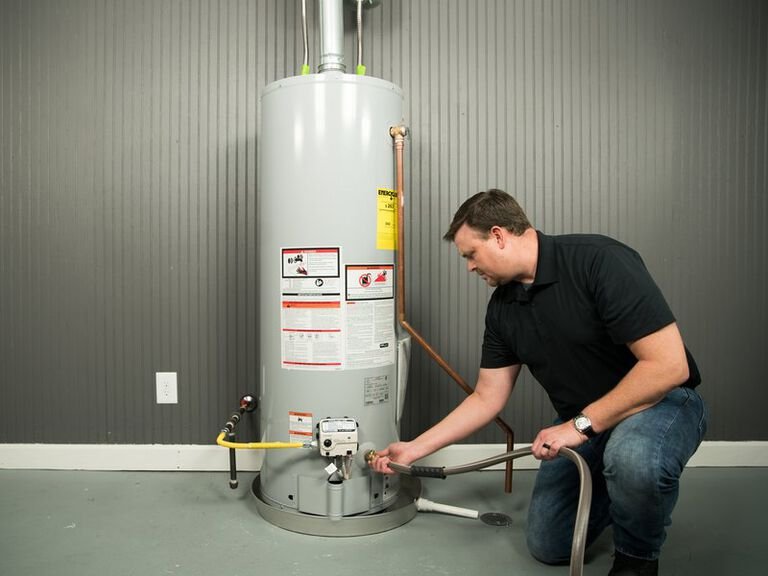
Discovering water pooling around your water heater is one of those moments that can throw your whole day off. A water heater leaking isn’t just a nuisance—it can quickly lead to expensive damage, mold growth, and even the total failure of your heating system if ignored. The good news is that most leaks have clear causes, and with the right knowledge, you can figure out whether it’s a simple fix or a sign that you need a replacement.
In this guide, we’ll explore why water heaters leak, how to troubleshoot the problem, when you can handle repairs yourself, and when it’s time to call in the pros. You’ll also learn practical prevention tips to extend the life of your heater and avoid future headaches.
Understanding a Water Heater Leaking Problem
A leaking heater should never be taken lightly. Even a slow drip can create big problems over time. Some of the warning signs that your water heater may be leaking include:
- Small puddles or damp areas around the base of the unit
- Marks from water or mold on walls or floors nearby indicate a potential issue.
- Strange hissing or popping noises while the tank operates
- Rusty or discolored water coming from your taps
Ignoring these red flags can result in serious consequences:
- Structural damage to your flooring or walls
- Mold and mildew growth that harms indoor air quality
- Increased utility bills from wasted water and reduced efficiency
- Premature failure of the water heater, forcing early replacement
Quickly discovering a leak can save you from high repair costs.
Common Causes of a Leaking Water Heater
Not all leaks are created equal. Some are quick fixes, while others point to serious underlying issues. Here are the most common reasons a water heater starts leaking:
Loose Drain Valve
The drain valve, usually near the bottom of the tank, is used to flush sediment buildup. Over time, this valve may loosen slightly, causing small leaks. In most cases, tightening it with a wrench solves the problem. However, if the valve itself is damaged, replacement is necessary.
Faulty Temperature & Pressure Relief (T&P) Valve
The T&P valve plays an important role in safety.If the tank overheats, it lets out extra pressure.. If this valve fails, it may start dripping constantly. This can happen when water pressure is too high or when the valve has worn out. Replacing a faulty T&P valve usually fixes the leak, but if pressure issues persist, you may need a plumber to check your system.
Leaks from the Cold or Hot Water Inlet Connections
Loose fittings on the inlet or outlet pipes are a frequent source of leaks. Over time, vibrations and water flow can loosen connections. Inspecting these joints and resealing them with plumber’s tape often solves the problem.
Tank Corrosion and Rust
If you notice rusty spots or discolored water, corrosion may have eaten through the tank walls. Unfortunately, once the tank itself starts rusting, repair isn’t possible. Replacement becomes the only safe option.
Internal Tank Cracks
Cracks can form inside the tank due to factors like age, overheating, or the accumulation of sediment. These leaks are usually hidden and become visible only when water seeps to the outside. Like corrosion, internal cracks mean it’s time for a new heater.
Condensation vs Actual Leak
Sometimes, what looks like a leak is actually condensation. Cold water entering a warm tank can create moisture on the outside. Wiping the tank and monitoring if water reappears can help distinguish between harmless condensation and a true leak.
Quick Fixes for a Leaking Water Heater
Before panicking, follow these steps to safely handle a leak:
Initial action – Shut off both the water and electricity services.
- Electric water heater: Switch off the breaker in your electrical panel.
- Gas water heater: Set the gas control knob to the “Off” position.
- Shut off the cold water supply valve located at the top of the tank.
Step 2 – Find Where the Leak Is Coming From
Check these common areas:
- Drain valve
- T&P valve
- Pipe connections
- Tank base
Step 3 – DIY Fixes You Can Try
- Tighten loose pipe fittings
- Replace a worn-out drain valve
- Flush the tank to remove sediment buildup
Step 4 – When It’s Time to Contact a Professional Plumber
If you find corrosion, cracks, or severe leaks, it’s best to call a licensed plumber. Attempting to repair a failing tank often results in more damage.
Preventing Future Water Heater Leaks
Prevention is always better than repair. Regular care can dramatically extend the lifespan of your heater.
Routine Maintenance
- Every year, make sure to empty the tank to remove any dirt that has collected.
- Inspect the anode rod and replace it every two or three years.. This rod prevents corrosion inside the tank.
Installing a Leak Detector
Smart leak detectors with automatic shutoff valves can prevent major water damage by cutting off the water supply when leaks are detected.
Water Pressure Regulation
Excess water pressure is one of the biggest threats to a heater. Installing a pressure-reducing valve ensures your system doesn’t get overloaded.
Regular Inspections
Having a plumber inspect your water heater annually can catch small issues before they turn into costly emergencies.
Repair vs Replacement – Which Makes Sense?
At some point, every homeowner must decide whether to repair or replace their unit.
- Choose repair if: the leak is minor (loose valve, faulty T&P valve, loose connections), and the heater is less than 8 years old.
- Choose replacement if: the tank is corroded, cracked, or more than 10–12 years old.
Average Costs of Repair vs Replacement
| Issue | Typical Repair Cost | Notes |
| Replace T&P valve | $150 – $300 | Includes parts & labor |
| Replace drain valve | $100 – $200 | Often quick and affordable |
| Tighten/reseal fittings | $80 – $150 | Depends on plumber fees |
| Tank replacement | $1,000 – $3,000 | Varies by size and fuel type |
Source: HomeAdvisor
FAQs About Water Heater Leaking
What could be causing my water heater to leak at the bottom? This often indicates either corrosion in the tank or a problem with the drain valve. If it’s corrosion, the only solution is replacement.
Can I still use my water heater if it’s leaking?
It’s risky. Even small leaks can grow, and using the unit while it leaks could lead to flooding or damage.
How long does a water heater last?
Most standard units last 8–12 years. With regular maintenance, some can reach 15 years.
Does insurance cover water heater leaks?
Insurance often covers sudden water damage but not gradual leaks caused by neglect or lack of maintenance.
Conclusion
A water heater leaking may start as a small drip, but it can quickly spiral into a serious problem. Understanding the common causes, knowing when to attempt a DIY fix, and recognizing when replacement is inevitable can save you from unnecessary stress and expenses.
By keeping up with regular maintenance, installing safety devices, and monitoring your system closely, you’ll greatly reduce the risk of unexpected leaks. Don’t wait until water damage forces your hand—check your heater today and take action before a leak becomes a flood.










Leave a Reply