

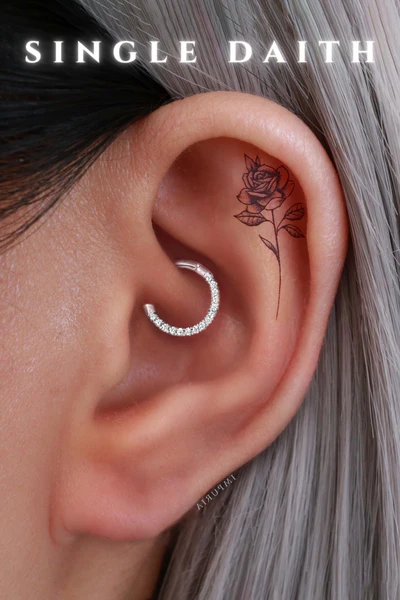
Body adornment has always been a way for people to express individuality and creativity. Among modern ear piercings, daith piercings have carved a unique niche for their blend of beauty, mystery, and supposed therapeutic benefits. Whether you’re drawn to the look or curious about its rumored connection to migraine relief, understanding the facts before getting one is essential.
What Is a Daith Piercing?
A daith piercing is placed through the innermost cartilage fold of the ear—just above the ear canal’s opening. It’s a delicate area, which makes this piercing both challenging and visually striking. Unlike outer ear piercings, the daith sits deep in the ear’s curve, giving it a subtle yet bold appeal.
The term “daith” originates from the Hebrew word da’at, meaning “knowledge.” It was first coined in the 1990s by Erik Dakota, a professional piercer who worked with a client seeking a piercing that symbolized wisdom.
Comparison with other inner ear piercings:
| Piercing Type | Location | Pain Level | Healing Time | Aesthetic |
| Daith | Inner cartilage fold | Moderate to high | 6–9 months | Hidden yet bold |
| Tragus | Small flap near ear canal | Moderate | 3–6 months | Minimalist |
| Rook | Ridge above the daith | Moderate | 6–9 months | Edgy |
| Conch | Center of ear cartilage | Moderate | 6–12 months | Statement look |
While similar in placement to the rook or conch, the daith stands out because of its tucked position and the unique jewelry styles it accommodates.
Why Are Daith Piercings So Popular?
The surge in popularity can be traced to fashion influencers and celebrities showcasing intricate ear jewelry combinations. Stars like Zoë Kravitz and Scarlett Johansson helped elevate daith piercings from underground trend to mainstream style.
However, beyond aesthetics, many people are drawn to the piercing’s symbolism. It represents inner strength, wisdom, and individuality—a small act of rebellion that still feels sophisticated.
Social media platforms like Instagram and TikTok also played a significant role. Hashtags such as #daithpiercing and #earstack feature thousands of creative setups, from minimalist gold hoops to elaborate gemstone rings.
Case Study – The Trend’s Rise:
A 2021 survey by Statista showed that 16% of individuals aged 18–34 had at least one cartilage piercing, with the daith among the top three preferred styles. The reason? Its perfect balance between discreet and dramatic.
Daith Piercing and Migraine Relief – Myth or Miracle?
Perhaps the most controversial topic surrounding daith piercings is their alleged ability to relieve migraines. Some believe the piercing activates a pressure point related to acupuncture treatments, stimulating nerves connected to pain regulation.
The Science Behind the Claim
Acupuncturists target specific auricular points believed to influence pain pathways. The daith location overlaps with an acupuncture point associated with the vagus nerve, which plays a role in managing pain and mood.
But what does research say?
Medical studies haven’t confirmed a direct link between daith piercings and migraine relief. While anecdotal reports suggest some improvement, most medical experts view it as a placebo effect.
Expert Opinion:
“There’s no scientific proof that daith piercings treat migraines,” explains Dr. Emelia Foster, neurologist at Mayo Clinic. “However, if it brings comfort or confidence, that psychological effect can still be meaningful.”
Comparison Table:
| Method | Purpose | Evidence Strength | Side Effects | Cost Range |
| Daith Piercing | Potential nerve stimulation | Weak | Infection, swelling | $40–$100 |
| Acupuncture | Pressure point therapy | Moderate | Mild bruising | $60–$120/session |
| Medication | Pain relief and prevention | Strong | Drowsiness, nausea | Varies |
In short, while daith piercings might help some people feel better, they should never replace medical treatment for chronic migraines.
The Daith Piercing Process – What to Expect
Getting a daith piercing involves precision, experience, and sterile technique.
Step-by-step process:
- Consultation: Discuss anatomy, jewelry preferences, and health conditions with your piercer.
- Preparation: The piercer cleans your ear with antiseptic solution.
- Marking: A tiny dot shows where the needle will go.
- Piercing: A hollow needle passes through the cartilage fold.
- Jewelry Insertion: A ring or barbell is placed immediately after.
- Aftercare Guidance: Instructions for cleaning and avoiding irritation.
Pain Level: Most people rate it a 6 or 7 out of 10—sharp but brief. The cartilage makes it more painful than a lobe piercing, yet most find it tolerable.
Pro Tip: Always choose a licensed studio that follows health regulations. Avoid piercing guns—they can cause trauma and uneven healing.
Healing Time and Aftercare for Daith Piercings
Cartilage piercings heal slowly. A daith piercing can take anywhere from 6 to 9 months, depending on care and body chemistry.
Aftercare Do’s:
- Clean twice daily with saline solution or sterile sea salt spray.
- Avoid touching the jewelry with unwashed hands.
- Sleep on the opposite side.
- Rinse ears after sweating or swimming.
- Stick to titanium or surgical steel during healing.
Aftercare Don’ts:
- Don’t twist or remove jewelry early.
- Don’t use alcohol or hydrogen peroxide—they delay healing.
- Don’t expose to hair sprays or perfumes.
Common Healing Timeline:
| Weeks | What to Expect |
| 1–2 | Mild swelling, redness |
| 3–6 | Reduced soreness, light crust formation |
| 7–16 | Gradual tissue repair |
| 17–36 | Healed, minimal sensitivity |
Tip: If you notice pus, extreme pain, or swelling, consult a piercer or doctor immediately.
Jewelry Options for Daith Piercings
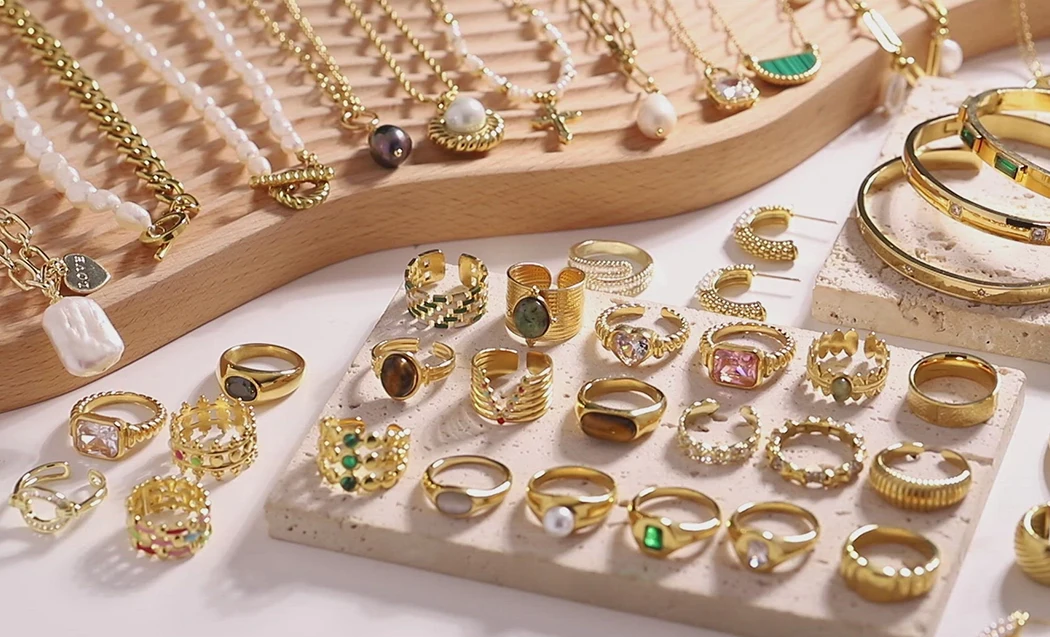
One of the best parts about this piercing is the variety of jewelry available. From minimalist hoops to sparkling gemstones, there’s something for every taste.
Popular Styles:
- Seamless Hoops: Sleek and subtle. Perfect for healed piercings.
- Captive Bead Rings: Classic design with a central bead.
- Heart-Shaped Rings: Trendy and romantic.
- Clickers: Easy to open and close, available in decorative designs.
Material Guide:
| Material | Best For | Hypoallergenic | Price Range | Durability |
| Titanium | New piercings | Yes | $$ | Excellent |
| Surgical Steel | New piercings | Yes | $ | High |
| Gold (14k–18k) | Healed piercings | Yes | $$$ | Long-lasting |
| Bioplast | Sensitive ears | Yes | $ | Moderate |
Choose lightweight jewelry at first. Heavy pieces can strain healing tissue and cause migration.
Possible Risks and Complications
Even with proper care, cartilage piercings can experience complications. Awareness helps you respond early.
Common Issues:
- Infection: Redness, pain, or discharge.
- Keloids or bumps: Overhealing can cause raised scar tissue.
- Allergic reactions: Common with nickel-based metals.
- Migration or rejection: Jewelry slowly moves out of the cartilage.
Case Example:
A client ignored aftercare instructions and continued using earbuds during healing. Within three weeks, swelling and pus developed, requiring medical attention. Lesson: don’t underestimate aftercare—it’s half the journey.
How Much Do Daith Piercings Cost?
The cost varies by location, piercer expertise, and jewelry type.
Average Price Range by Country:
| Country | Average Cost | Currency |
| USA | $40–$100 | USD |
| UK | £30–£70 | GBP |
| Canada | $50–$90 | CAD |
| Australia | $60–$110 | AUD |
Additional Expenses:
- Cleaning solution: $10–$20
- Jewelry upgrades: $25–$150
- Replacement fees: if infection or resizing occurs
Tip: Don’t choose based on price alone. A skilled piercer with proper hygiene is worth the investment.
Styling Ideas and Inspiration for Daith Piercings
Once healed, the creative possibilities are endless. You can combine your daith with other piercings for a cohesive ear aesthetic.
Popular Combinations:
- Daith + Tragus: Balanced and elegant.
- Daith + Helix Stack: Adds symmetry and edge.
- Daith + Lobe Chain: Chic and delicate.
Color Coordination Tips:
- Gold jewelry complements warm skin tones.
- Silver suits cooler undertones.
- Gemstones like emerald or sapphire add personality.
Celebrity Inspiration:
Many celebrities pair their daith with layered ear jewelry. For example, Zoë Kravitz often mixes gold hoops with tiny diamond studs for an effortless boho vibe.
Daith Piercing FAQs
Does it really help migraines?
There’s no conclusive proof. Some individuals report fewer migraines, while others notice no change.
How painful is it?
Moderate—similar to a rook or tragus piercing. The pain is brief but sharp.
Can you wear earbuds afterward?
Not during healing. Pressure can cause irritation or infection.
When can I change jewelry?
Usually after 6–9 months, once fully healed.
Can I get both ears pierced at once?
Yes, but it’s often better to start with one to sleep comfortably during healing.
Final Thoughts on Daith Piercings
A daith piercing is more than a trend—it’s a personal statement. It merges art, anatomy, and individuality in one subtle curve of the ear. While it’s not a scientifically proven migraine cure, it undeniably offers aesthetic charm and emotional satisfaction.
Before getting one, research reputable studios, discuss materials, and prepare for a slow healing process. Done right, this piercing becomes a timeless addition to your style, one that reflects both confidence and creativity.
Additional Resources
- Association of Professional Piercers (APP): https://www.safepiercing.org/
- British Journal of Pain – Auricular Therapy Research: https://journals.sagepub.com/home/bjp
- Mayo Clinic – Migraine Treatments: https://www.mayoclinic.org/
A daith piercing might not change your life, but it can certainly change your look—and that’s often enough reason to get one.






Leave a Reply