

Understanding how different religions approach holidays helps clear misconceptions and promotes respect. One of the most common questions people ask is: do Jews celebrate Easter? At first glance, this might seem straightforward, but the deeper you look, the more fascinating connections and differences you’ll find between Easter and Jewish traditions. This guide explores the history, beliefs, customs, and cultural overlaps surrounding Easter and Jewish holidays like Passover.
Do Jews Celebrate Easter? The Direct Answer
The short answer is no, Jews do not celebrate Easter. Easter is a distinctly Christian holiday that commemorates the resurrection of Jesus Christ, which is central to Christian belief. In Judaism, Jesus is not considered the Messiah or divine figure, so Easter holds no religious meaning for Jews.
Easter as a Christian Holiday
- Easter is the culmination of Holy Week and follows Good Friday, which marks Jesus’ crucifixion.
- The holiday symbolizes renewal, victory over death, and eternal life through Christ.
- Traditions include sunrise services, attending church, and symbolic foods like Easter bread and lamb.
Why Jews Do Not Celebrate Easter
- Judaism is rooted in the Torah and focuses on its own festivals such as Passover, Rosh Hashanah, and Yom Kippur.
- The figure of Jesus does not play a role in Jewish faith or practice.
- Observing Easter would contradict Jewish theology, making it exclusively a Christian event.
What Do Jews Celebrate Around the Time of Easter?
Interestingly, the Jewish holiday of Passover (Pesach) often falls around the same time as Easter, since both are based on the lunar calendar. This seasonal overlap sometimes creates confusion, but the two holidays have very different origins and meanings.
Passover (Pesach) – The Jewish Spring Holiday
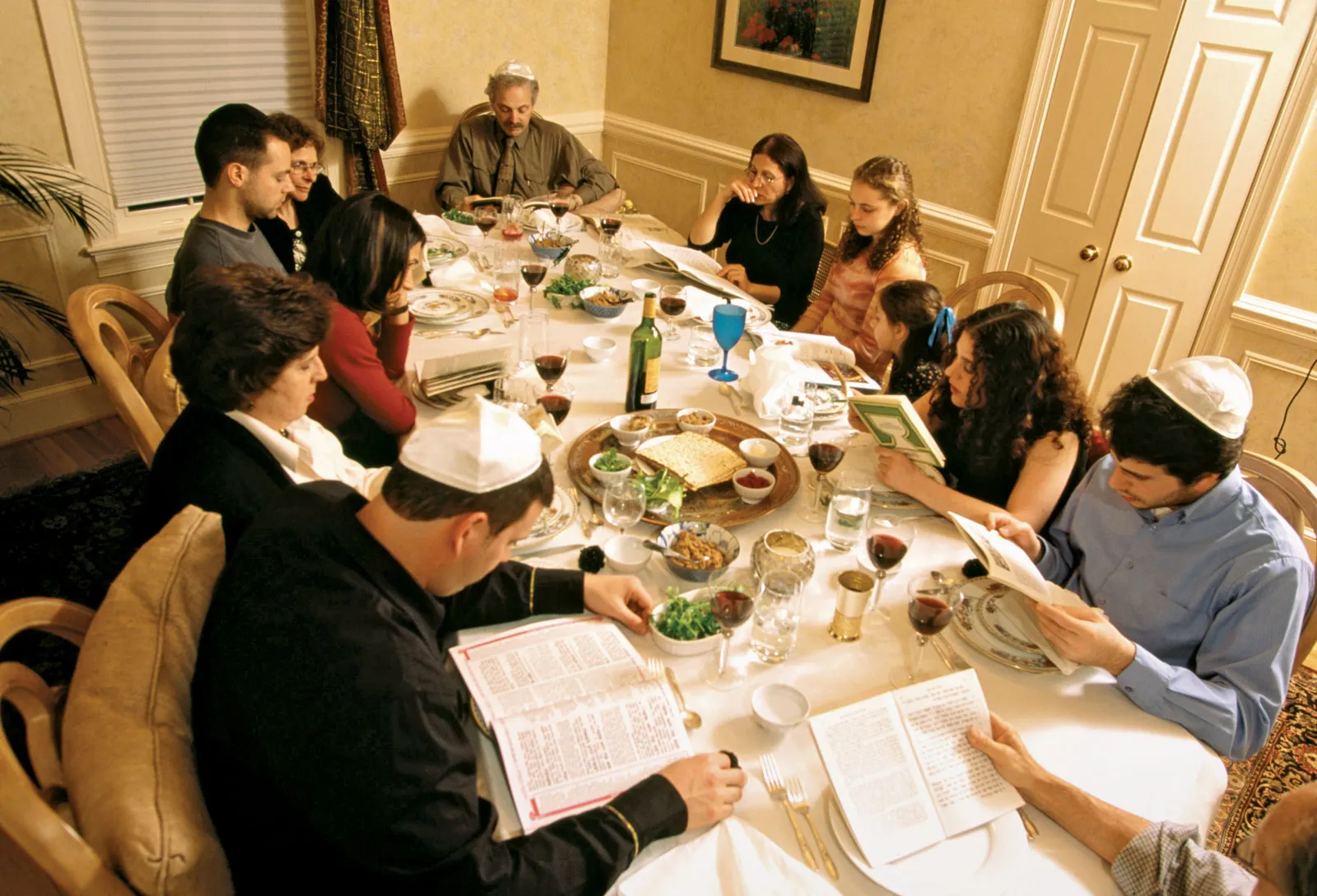
Passover is among the most significant celebrations within the Jewish faith. It commemorates the Israelites’ escape from slavery in Egypt, as told in the book of Exodus.
- Lasts 7–8 days depending on tradition.
- Central ritual: the Seder meal, which retells the Exodus story.
- Key foods: matzah (unleavened bread), bitter herbs, charoset (fruit paste), and wine.
- Themes: freedom, resilience, and faith.
Differences Between Passover and Easter
| Aspect | Easter (Christian) | Passover (Jewish) |
| Origin | Resurrection of Jesus Christ | Exodus from Egypt |
| Main Theme | Renewal, salvation, eternal life | Freedom from slavery |
| Duration | One day (plus Holy Week) | 7–8 days |
| Symbols | Cross, lamb, eggs, lilies | Matzah, bitter herbs, seder plate |
| Foods | Easter bread, lamb, chocolate eggs | Matzah, wine, symbolic dishes |
Both holidays focus on liberation and renewal, but their stories and rituals remain distinct.
Do Any Jews Participate in Easter Traditions?
While Jews do not celebrate Easter religiously, some may participate in cultural traditions, especially in mixed or secular households.
Secular and Cultural Participation
- Children may join in Easter egg hunts at school or with friends.
- Families with non-Jewish relatives may attend Easter dinners.
- Participation is cultural, not spiritual, and depends on the family’s level of observance.
Interfaith Families and Blended Traditions
Interfaith families often create blended traditions to honor both faiths. For example:
- Hosting both a Passover Seder and an Easter brunch on the same weekend.
- Teaching children the meaning of both holidays.
- Choosing secular customs like egg decorating without attaching religious symbolism.
Case Study: In one interfaith household in New York, the family celebrates Passover with a traditional seder on Friday, then joins Christian grandparents for an Easter lunch on Sunday. This arrangement allows both sides of the family to feel respected without compromising religious identity.
Similarities Between Easter and Jewish Holidays
Though Jews don’t celebrate Easter, the holidays share some symbolic connections.
Shared Themes of Renewal and Freedom
- Easter: Resurrection of Jesus, spiritual rebirth, eternal life.
- Passover: Liberation from slavery, national rebirth of Israel.
- Both center on hope, transformation, and the beginning of something new.
Symbolic Foods and Rituals
Food carries deep meaning in both traditions:
- Lamb: In Easter, lamb represents Christ as the “Lamb of God.” In Passover, lamb recalls the sacrificial lamb from Exodus.
- Wine: Both holidays incorporate wine in rituals—communion for Christians and the four cups at the Seder for Jews.
- Bread: Easter bread symbolizes new life, while matzah represents humility and the haste of leaving Egypt.
These parallels reflect the shared historical roots of Christianity and Judaism.
Common Misconceptions About Jews and Easter
Despite their differences, many misconceptions persist.
Myth 1: Jews Reject Easter Out of Disrespect
The truth is simple: Jews don’t observe Easter because it isn’t part of their faith. It’s not about disrespect—it’s about religious differences. Many Jews respect the Christian observance but focus on their own traditions.
Myth 2: Passover and Easter Are the Same Holiday
Although they occur close together and share springtime themes, Passover and Easter are not the same. One focuses on national liberation, the other on resurrection and salvation. Confusing them diminishes the unique significance of both.
Key Takeaways – Do Jews Celebrate Easter?
To summarize:
- Jews do not celebrate Easter as a religious holiday.
- They celebrate Passover, which often coincides with Easter.
- Some Jews may join in secular Easter customs, especially in interfaith families.
- Both Easter and Passover share themes of renewal, freedom, and symbolic foods, but their spiritual meanings remain distinct.
FAQs About Jews and Easter
Do Jews celebrate Easter Sunday?
No, Jews do not observe Easter Sunday since it is rooted in Christian theology.
What is the Jewish equivalent of Easter?
There isn’t a direct equivalent. However, Passover occurs around the same time and shares themes of renewal and liberation.
Why do Passover and Easter sometimes overlap?
Both are based on lunar calendars. Easter follows the spring equinox, while Passover follows the Hebrew calendar. This causes frequent overlap.
Can Jewish children join Easter egg hunts?
Yes, many Jewish children may participate in secular customs like egg hunts, especially in interfaith or non-religious settings.
Conclusion
So, do Jews celebrate Easter? The answer is clear: no, Jews do not celebrate Easter as a religious holiday. Instead, they observe Passover, which often falls around the same time and carries its own powerful themes of liberation and faith. Still, in today’s multicultural world, some Jews may join cultural aspects of Easter through family or community ties.
Both traditions—Easter for Christians and Passover for Jews—hold deep spiritual meaning and continue to inspire millions every spring. Recognizing their differences while appreciating their shared values helps build understanding and respect between faiths.








Leave a Reply