

Sweet wines have captured the hearts of wine lovers for centuries. From ancient Greek symposiums to modern Michelin-starred dining tables, these wines have always carried an air of indulgence and charm. Whether you’re sipping a golden glass of Sauternes with foie gras or enjoying a fizzy Moscato on a sunny afternoon, sweet wines offer something unique: pleasure that bridges casual enjoyment and refined sophistication.
In this comprehensive guide, you’ll discover what makes a wine sweet, the many types of sweet wines available, famous grapes used in their production, food pairings, myths, health considerations, and tips for buying and serving. By the end, you’ll see why these wines deserve a place in your collection—whether you’re a beginner or a seasoned enthusiast.
What Are Sweet Wines?
At the heart of sweet wine is one defining characteristic: residual sugar (RS). This is the natural grape sugar that remains in the wine after fermentation stops. In dry wines, yeast consumes almost all of the sugar, leaving behind little to none. In sweet wines, some sugar is left unfermented, giving the wine its lush, sweet taste.
The Science of Sweetness in Wine
Sweetness depends on several factors:
- Residual sugar: Measured in grams per liter (g/L). For instance, dry wines often have less than 4 g/L, while some dessert wines can exceed 150 g/L.
- Acidity: High acidity balances sweetness, preventing wines from feeling cloying. A Riesling, for example, can taste refreshing even when it contains a lot of sugar.
- Alcohol level: Sweet wines vary. Some are lower in alcohol (like Moscato d’Asti), while fortified options (such as Port) can reach 20%.
Natural vs. Added Sweetness
- Naturally Sweet Wines: These wines retain sugar naturally due to harvesting late, stopping fermentation early, or using grapes concentrated by methods like drying or freezing.
- Fortified Wines: Winemakers add grape spirit during fermentation, halting yeast activity and preserving sweetness (as seen in Port).
Types of Sweet Wines You Should Know
There are many different kinds of sweet wines, and each type has its own background, method of production, and taste.
Dessert Wines
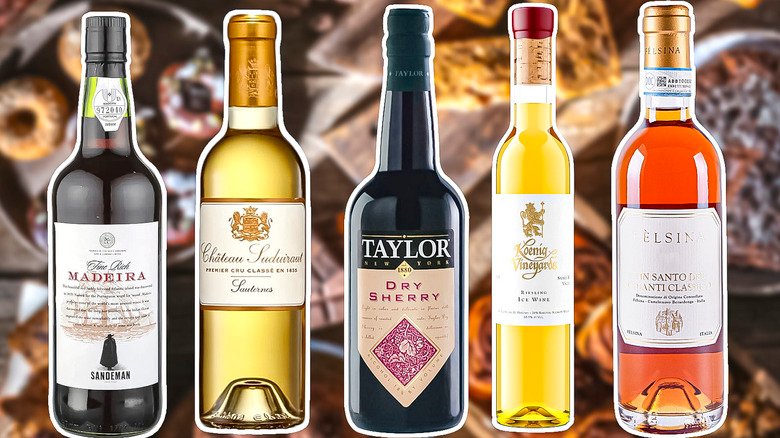
- Port: A fortified wine from Portugal, rich and often served with chocolate or cheese.
- Madeira, an island of Portugal, is well-known for its delightful, nutty tastes..
- Sherry is available in different flavors, ranging from dry to extremely sweet.
- Muscat (Moscato): A fragrant grape that produces both still and sparkling of its.
Late Harvest Wines
Created from grapes that were picked later than normal, which leads to a rise in sugar content.Common examples: Riesling Spätlese (Germany), Chenin Blanc from the Loire Valley, and Gewürztraminer from Alsace.
Ice Wines (Eiswein)
Crafted from grapes frozen on the vine, typically in Germany and Canada. The water freezes, but sugars don’t, creating intensely sweet and concentrated wines.
Sparkling Sweet Wines
- Moscato d’Asti is a bubbly wine that has a rich fragrance and goes perfectly with fruity sweets..
- Demi-Sec Champagne: Sweeter than Brut, pairing well with cake or pastries.
Noble Rot Wines
Some of the most prized sweet wines arise from Botrytis cinerea, a fungus that dehydrates grapes while intensifying sugars. Famous examples include:
- Sauternes (France): Golden, honeyed, and complex.
- Tokaji Aszú, originating from Hungary, is often referred to as the “royal wine.”
Famous Grapes Used in Sweet Wines
Different grapes yield distinctive sweet wines:
- The Riesling grape is versatile and can produce different types of wines, such as dry, semi-dry, and sweet varieties.
- Moscato (Muscat): Aromatic, with floral and peach notes.
- Gewürztraminer: Exotic spice and lychee flavors.
- Chenin Blanc: High acidity balances sweetness, used in Vouvray and Quarts de Chaume.
- Pedro Ximénez: Used in ultra-sweet Sherry.
- Sémillon: A key grape in Sauternes.
- Zinfandel: Creates sweet reds like White Zinfandel.
Sweet Red Wines vs. Sweet White Wines
While many associate sweetness with white wine, red options exist and can be just as captivating.
| Category | Examples | Flavor Profile | Pairings |
| Sweet Red Wines | Lambrusco, Brachetto d’Acqui, Ruby Port | Fruity, jammy, sometimes fizzy | Chocolate cake, berry desserts |
| Sweet White Wines | Moscato, Riesling, Ice Wine, Sauternes | Floral, honeyed, citrusy, or tropical notes | Fruit tarts, blue cheese, crème brûlée |
Food Pairing with Sweet Wines
Pairing sweet wines with food is all about balanceWhen done correctly, it has the power to enhance both the dish and the wine.
Classic Dessert Pairings
- Port with dark chocolate.
- Moscato with fresh fruit.
- Sauternes with crème brûlée.
Sweet Wine with Savory Food
- Sauternes and blue cheese come together to form a wonderful pair. The cheese’s bold, salty taste balances the wine’s sweetness perfectly.
- Charcuterie + Port: Rich cured meats paired with ruby or tawny Port make a bold statement.
Unexpected Matches
- Spicy Asian cuisine + Off-dry Riesling: Sweetness tempers heat.
- Fried chicken + Sparkling Moscato: Crisp bubbles cut through grease while sweetness complements.
Health, Myths, and Misconceptions About Sweet Wines
Many people assume sweet wines are only for beginners or lack sophistication. This couldn’t be further from the truth.
- Myth: Sweet wines are low quality.
Reality: Some of the most prestigious and expensive wines in the world are sweet. A single bottle of Château d’Yquem can sell for thousands of dollars. - Myth: Sweet wines are too sugary to be healthy.
Truth: Consuming these wines in moderation can contribute to a healthy way of living.Some even provide polyphenols and antioxidants. - Myth: Sweet wines are only for dessert.
Reality: They pair beautifully with savory and spicy dishes as well.
How to Choose the Right Sweet Wine
Selecting the right bottle doesn’t need to feel overwhelming.
Reading Labels and Terminology
- Doux (French): Very sweet.
- Demi-sec: Semi-sweet.
- Moelleux: Soft, medium sweet.
- Late Harvest / Vendange Tardive: Grapes harvested late for higher sugar content.
Considering Occasion & Food
- Sparkling sweet wines work well at celebrations.
- Noble rot wines shine with fine dining.
- Lighter Moscato or Lambrusco suit casual get-togethers.
Budget-Friendly vs Premium Bottles
- Affordable options: Moscato, White Zinfandel, Lambrusco.
- Luxury labels: Château d’Yquem (Sauternes), Tokaji Aszú 6 Puttonyos, Canadian Ice Wine.
Buying, Serving, and Storing Sweet Wines
Buying Tips
- Look for regions known for sweet wines: Bordeaux (Sauternes), Germany (Riesling), Hungary (Tokaji), Italy (Moscato), Canada (Ice Wine), Spain (Sherry).
Serving Tips
- Temperature: Most sweet wines taste best slightly chilled (8–12°C). Sparkling versions should be colder.
- Glassware: Smaller glasses concentrate aromas and prevent overwhelming sweetness.
Storing Tips
Once opened, fortified wines such as Port or Madeira have a long shelf life and can remain good for many years.
- Noble rot and Ice Wines improve with age, becoming richer in flavor complexity.
Best Sweet Wines to Try (Beginner to Expert)
- Entry Level: Moscato d’Asti, White Zinfandel.
- Intermediate: Riesling Spätlese, Lambrusco, Demi-sec Champagne.
- Advanced: Tokaji Aszú, Eiswein, Château d’Yquem.
Final Thoughts on Sweet Wines
Sweet wines are not merely sugary extras; they represent a centuries-old craft full of tradition.. Their diversity spans light, sparkling styles to complex, age-worthy dessert wines. Far from being “beginner wines,” they’re celebrated worldwide for their ability to pair with challenging foods, showcase terroir, and deliver luxurious drinking experiences.
If you’ve only tried supermarket Moscato, it’s time to expand your horizons. Explore late harvest Rieslings, sip a Tokaji with cheese, or indulge in a glass of Port by the fireplace. Once you do, you’ll realize sweet wines offer pleasures that dry wines simply can’t match.
FAQs About Sweet Wines
What makes a wine sweet or dry?
The level of sweetness in a product depends on the sugar that remains once fermentation has finished.
Are sweet wines high in alcohol?
Not always. Some (like Moscato d’Asti) are low in alcohol, while fortified ones (like Port) are stronger.
Can sweet wines be aged?
Yes. Many, including Sauternes and Tokaji, develop richer, deeper flavors with age.
Are sweet wines only for desserts?
No. They pair well with cheese, spicy dishes, and even savory mains.
What’s the difference between Moscato and Riesling?
Moscato is more floral and fruity, often sparkling, while Riesling varies from bone dry to intensely sweet with higher acidity.
Key Takeaways
- Sweet wines are available in different types, ranging from light and fizzy to rich and luxurious.
- Residual sugar and winemaking methods define their style.
- They complement both sweet treats and savory dishes wonderfully.
- Options exist for every budget, from affordable Moscato to prestigious Château d’Yquem.
In short, it deserve your attention. These subjects are adaptable, full of historical significance, and always fun to explore.









Leave a Reply